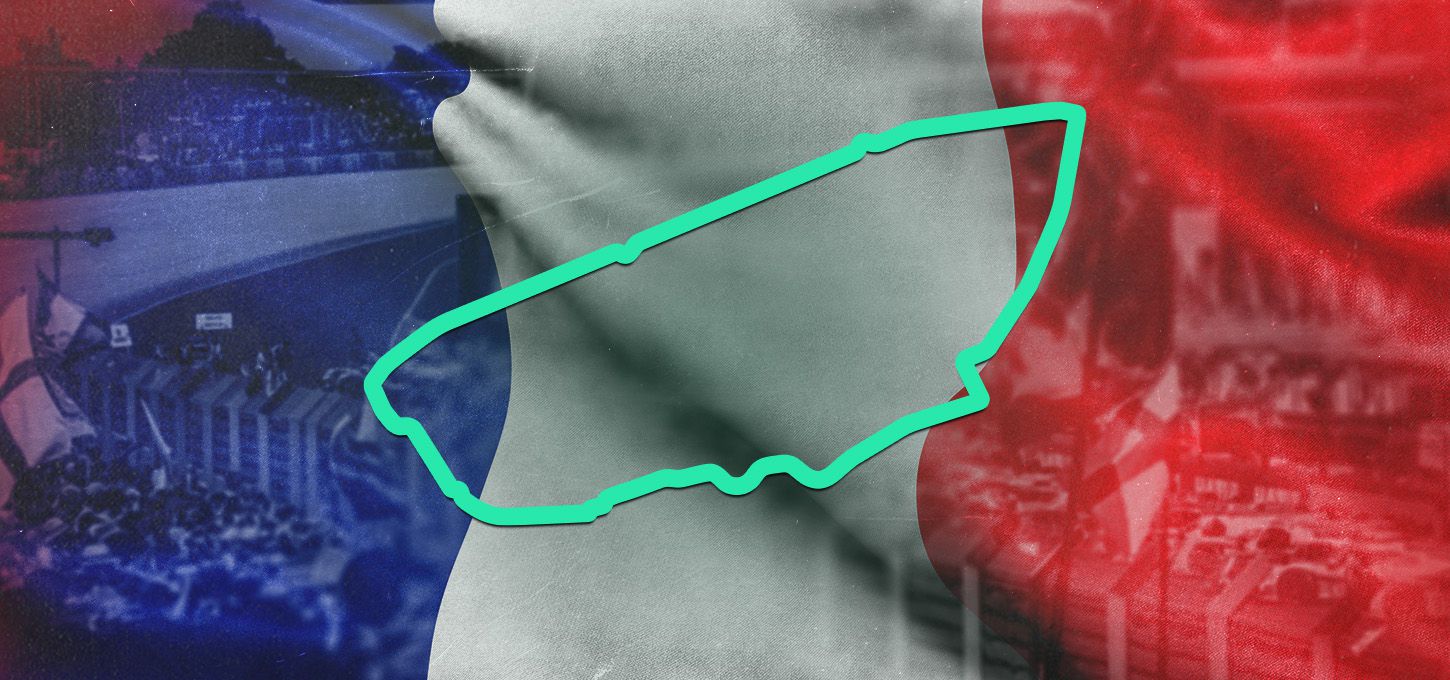
The 24 Hours of Le Mans is one of motor racing's greatest events, with over 100 years of history since its inception in 1923.
Jacky Ickx's walking protest in 1969, Mazda becoming the only Japanese manufacturer to win Le Mans in 1991 and Toyota losing power while leading with a lap to go in 2016 are all moments that fans of motorsports are familiar with.
Though one particular race stands out amongst them all, immortalised in documentary and film.
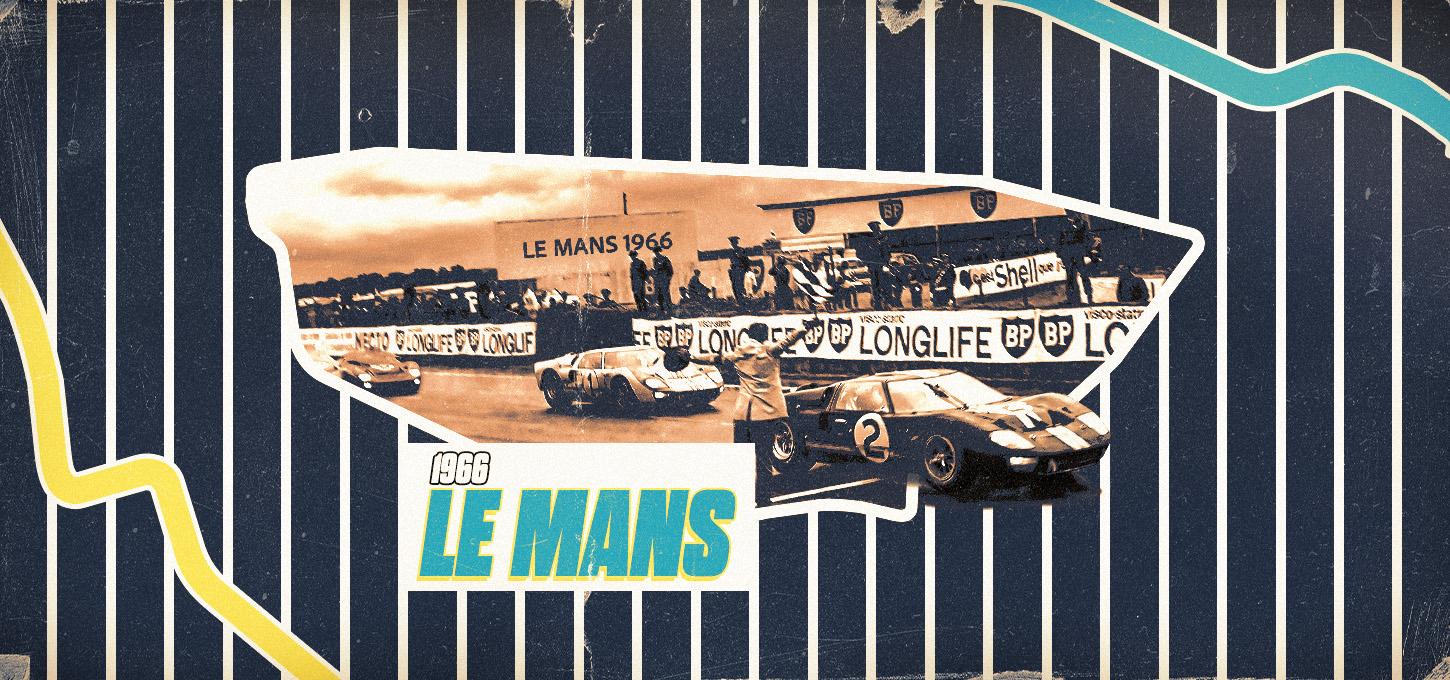
The 1966 24 Hours of Le Mans, where Ford finally triumphed over Ferrari after years and millions of dollars of failure, driving the sport into a new era.
Ford v Ferrari
In the early 1960s, Henry Ford II had conquered the American automobile market and was planning on taking Ford worldwide.
He started with the ambition of using motorsport success as his springboard into the global market, but the goalposts were moved following some tense negotiations over a deal that would've seen Ferrari sold to Ford.
Ultimately, the deal collapsed in a hostile manner, and they set out to humiliate Enzo Ferrari and chose the Circuit de la Sarthe as the perfect arena for the battle.
In a small town in Northern France, the rivalry between Ford and Ferrari was born.
1964
Coming into the 1964 24 Hours of Le Mans, Ferrari had won the race five times in six years and were seen as the dominant force owing to the previous year's 16-lap win with the Colombo V12.
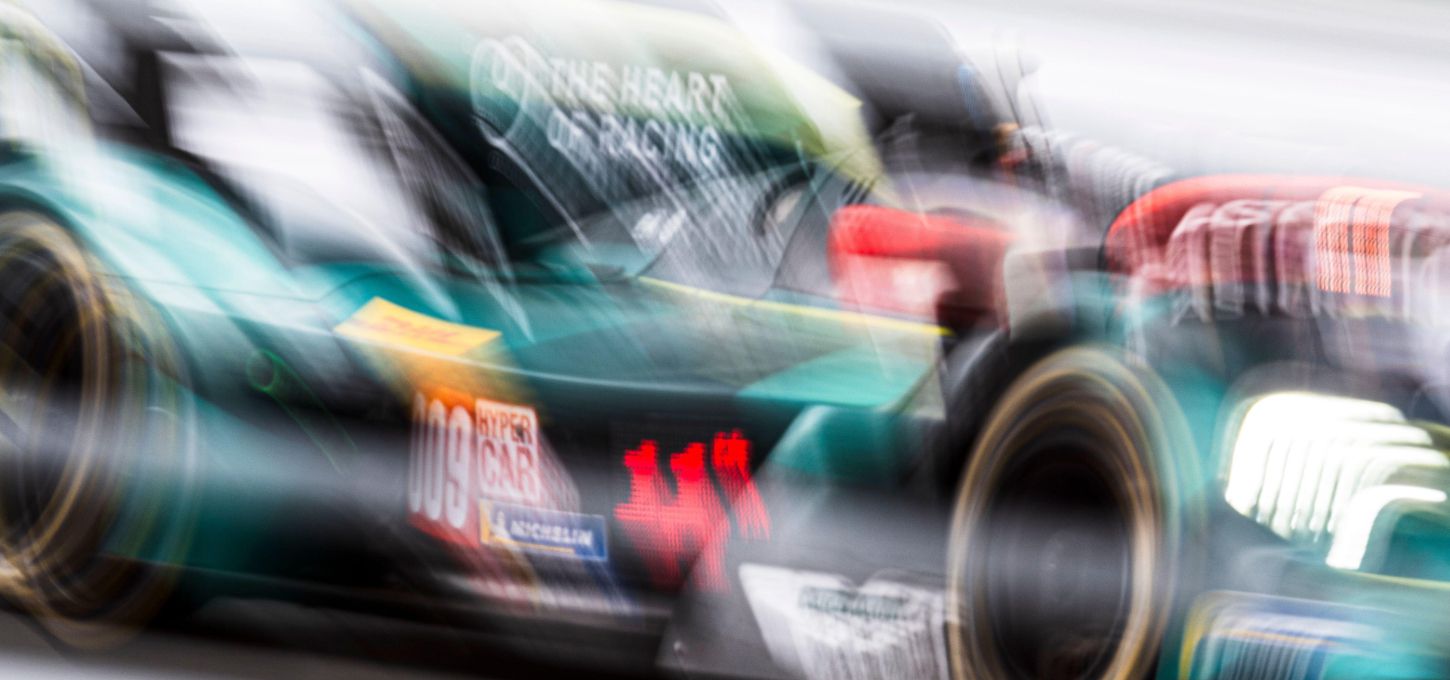
Ford unveiled the GT40 in the April that year, powered by a Ford Fairlane 4.7-litre engine in Indianapolis spec and a pair of them were shipped to France for testing.
Eleven weeks after unveiling the car, they took to the circuit.
Three GT40s started the race, none finished. Ford's best runner endured 14 hours, which was far from an ideal start for the Americans.
Though it wasn't disastrous, at the time of retirement the GT40 was leading the Ferraris by 40 seconds and had set a new record of 15 lap completions in the opening hour. All they had to figure out was how to make the car capable of sustaining the distance.
1965
12 months on, Shelby American had taken over the GT40 programme and seen great success.
With a 4.7-litre Cobra engine and a ZF gearbox, the car was victorious in dominant fashion at Daytona and hopes were high.
What Ferrari didn't expect when arriving at Circuit de la Sarthe that year, was Ford turning up with two new prototypes that allowed the fitting of a 7.0-litre V8 Nascar engine. The GT40X was unbelievably fast with this modification, setting a new lap record in practice.
Ultimately though, they fell to the same fate. Four GT40s and two GT40Xs lined up, none made it past hour seven, while the Prancing Horse of Ferrari made it six wins in a row, and seven wins in eight. The reputation dent suffered by the Americans meant that 1966 was win or bust.
1966
Millions of dollars had now been poured into the GT40 programme, and Ford continued to go all in. Meeting to discuss plans for the 1966 race were mere hours after the 1965 disaster.
The GT40X became known as the MKII, Ford completely restructured their motorsport operations and John Cowley was drafted in from Nascar to lead the effort.
Ford ran eleven cars across the group four 5.0-litre class and 7.0-litre group six prototype class. Ferrari matched the eleven.
Daytona and Sebring successes once again raised hopes, but Le Mans was a completely different ball game.
As was the case in 1964 and 1965, the GT40 was the faster car. Dan Gurney's time of 3:30.6 was three seconds faster than anything Ferrari could manage, and once again it would come down to reliability.
The cars set off in the pouring rain, and conditions didn't improve through the night.
By the halfway stage Ford occupied the top six, the cars making their way through a track strewn with the carcasses of damaged cars that had succumbed to the elements.
Three of those six would retire through mechanical failure after enduring a long, wet night. Though another had made its way through the field, leaving four Ford frontrunners as the sun rose, while Ferrari laboured all the way back in twelfth.
Dan Gurney would retire from the lead, sparking panic amongst the American garage, though it would turn out inconsequential.
Come Sunday morning, the drivers were told they could afford to slow down and preserve the MKIIs, nursing them to a 1-2-3 finish in one of the most important victories in the history of the 24 Hours of Le Mans.
As the cars slowed and grouped up following a directive to finish at the same time as part of a PR stunt, the sport entered a new era that saw Ford return and win in 1967, 1968 and 1969.