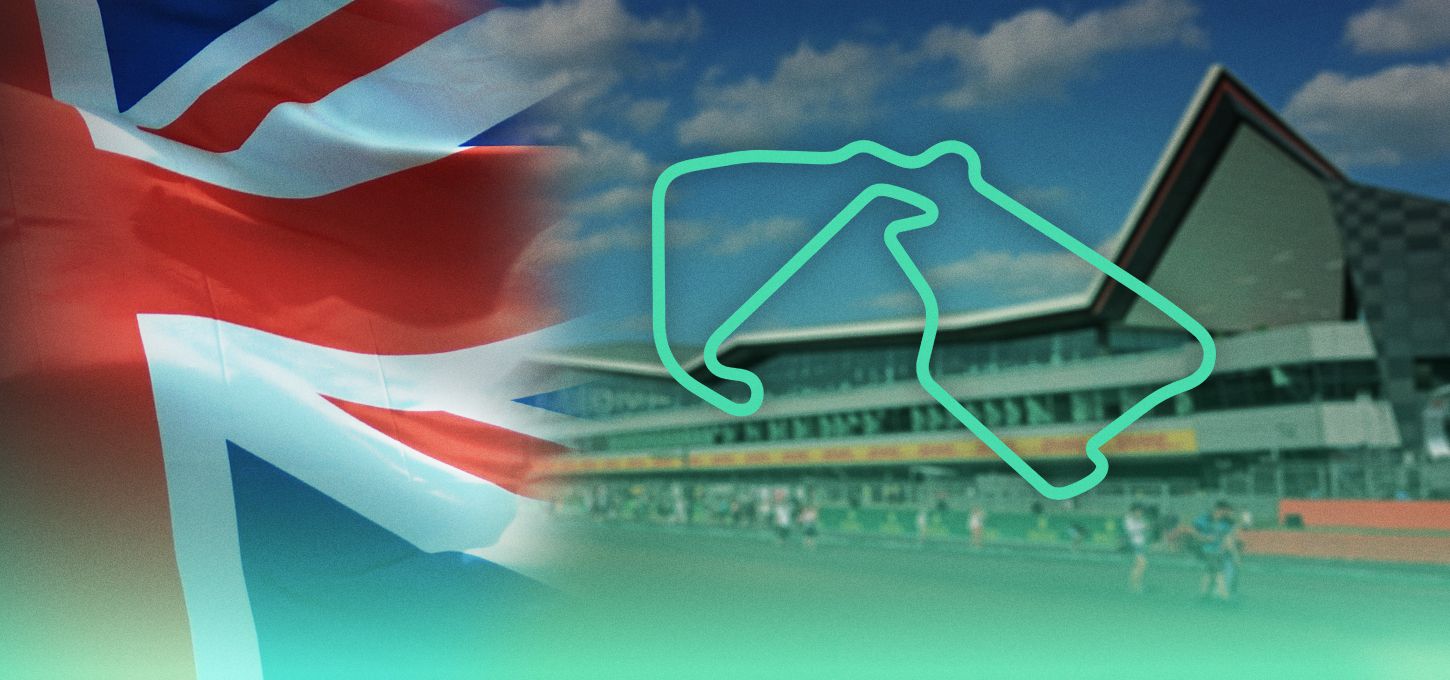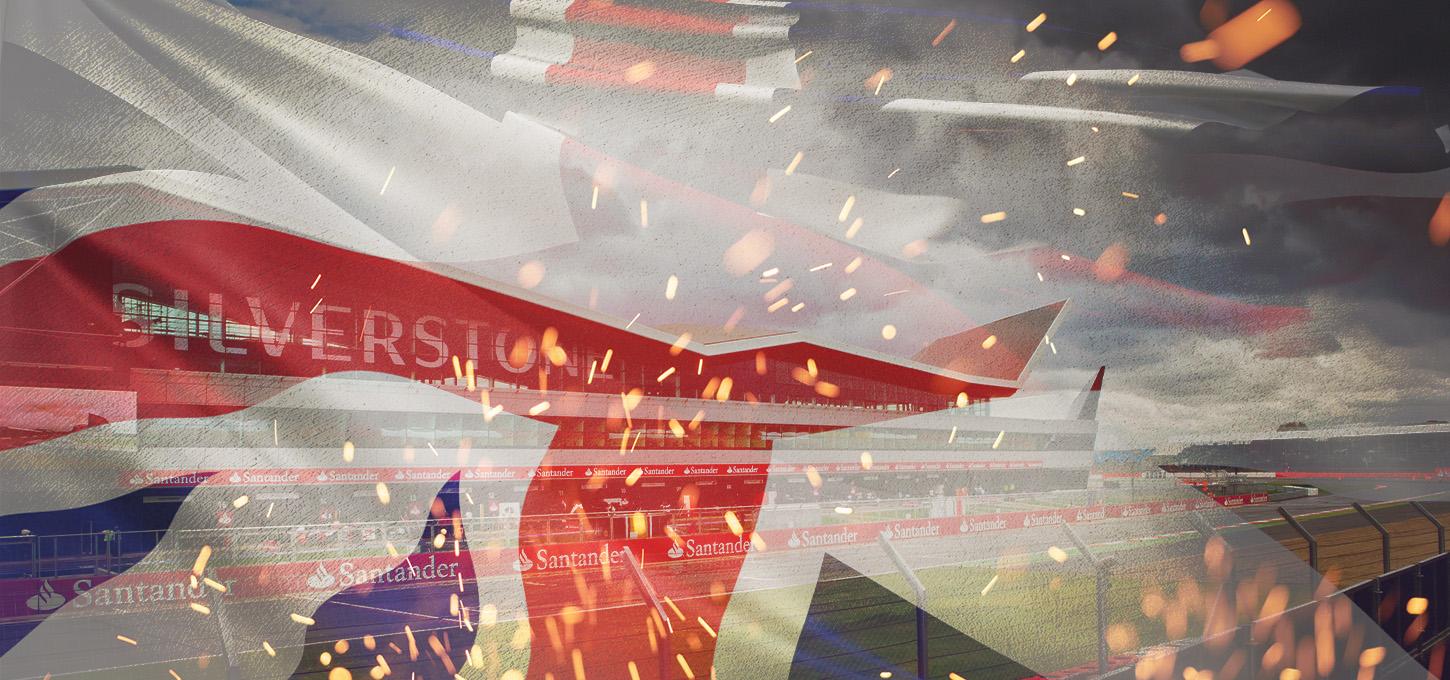
The British Grand Prix has been the source of some of the most iconic and memorable records and races in history, dating all the way back to 1926.
From it's inception at the banked concrete circuit of Brooklands, to the high-speed, technical challenge of the modern Silverstone circuit we know today, it has served as one of Formula 1's cornerstones for 100 years, defining careers and birthing legends.
As fans celebrate 100 years of this iconic event, we reflect on a century of speed, drama, and the enduring spirit of British motorsport.
Inception of the British Grand Prix at Brooklands
The story of the British Grand Prix did not begin at Silverstone, but at the legendary Brooklands circuit in Surrey.
In 1926, the inaugural race was organised by Royal Automobile Club (RAC) and was a gruelling 110 laps, with the distance totalling 287 miles.
The race was won by Robert Senechal and Louis Wagner who shared the driving in a Delage 15 S8 race car, with a Briton -- Malcolm Campbell -- coming second, approximately ten minutes behind the victors.
It returned in 1927 at Brooklands again, then was only raced twice more prior to the establishment of the F1 World Championship, in 1948 and 1949 at Silverstone.
Establishment of the Formula 1 World Championship
1950 is a monumental year in motorsports.
It was the year the FIA Formula One World Championship was inaugurated, with the very first race held at Silverstone on 13 May.
Brooklands had seen severe damage through WWII and the circuit was abandoned, so the Northamptonshire circuit took on hosting duties, paying homage to it's predecessor with a corner named after it.
King George VI and Queen Elizabeth were in attendance, lending the event a sense of royal occasion that the racing lived up to.
Giuseppe "Nino" Farina took the chequered flag for Alfa Romeo, and thus, the British Grand Prix was truly born.
Silverstone hosted the occasion until 1955, when the Aintree circuit stepped in. Years ending with an even number saw races in the East Midlands, while years with an odd number took place on Merseyside.
The circuit at Aintree was located within the famous Grand National Racecourse and was a challenging, undulating lap.
Stirling Moss -- the greatest driver never to win the World Championship -- was the first racewinner in the North West, and British drivers won four of the six between 1955 and 1961, before Jim Clark announced himself to the world.
Brands Hatch takes over from Aintree
The 1960s brought a shift in the sport’s culture and technology. The rear-engined revolution pioneered by Cooper, changed the way cars were designed and driven.
This era also saw the introduction of Brands Hatch in Kent as a regular host of the British Grand Prix.
With its natural amphitheatre layout and challenging corners like Paddock Hill Bend, Brands Hatch became a firm favourite among drivers and fans alike.
This era belonged to Jim Clark, a man whose smooth, effortless style made him a national hero and still has him in 'greatest of all time' conversations to this day.
Clark’s dominance at the British Grand Prix, winning five times between 1962 and 1967, was the first time that a driver had truly dominated the race in its history, as Jack Brabham was the only man to stop him making it six from six.
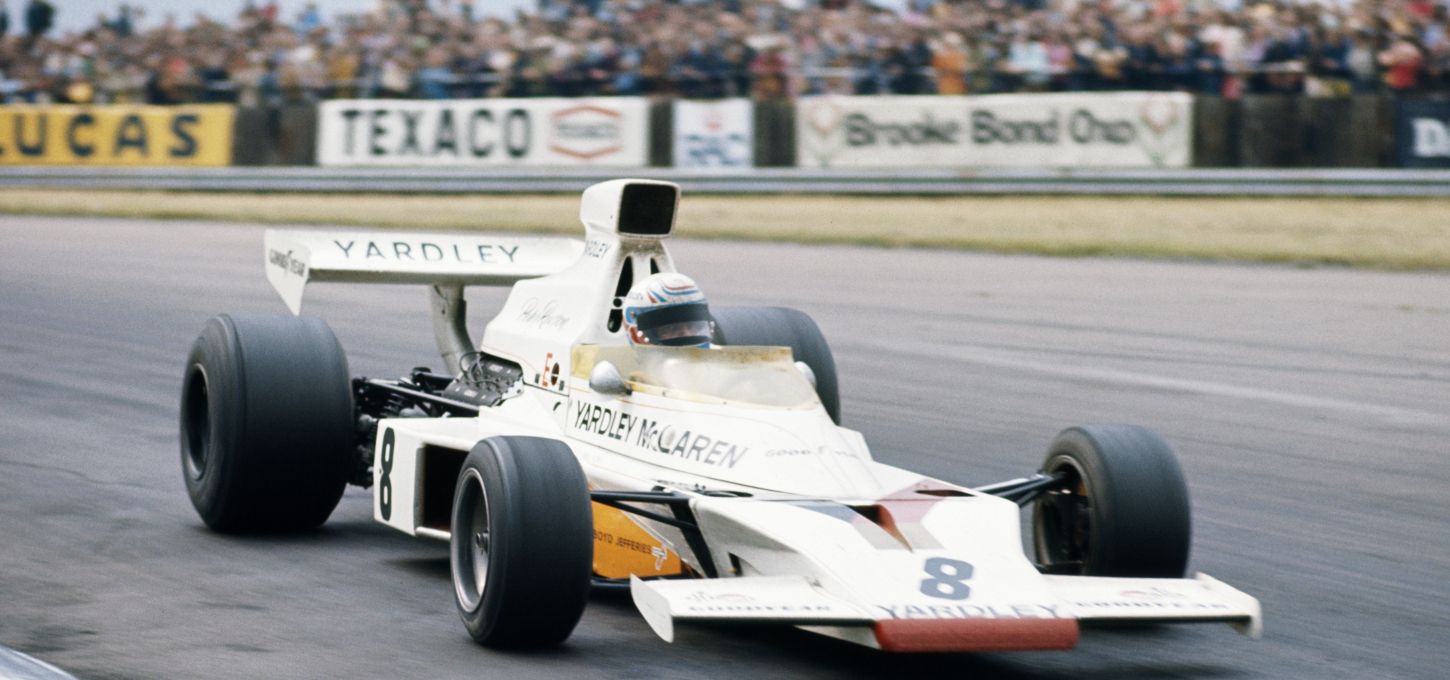
The 1960s and 70s were also a time of intense rivalry and technical innovation, with the likes of Jackie Stewart and James Hunt capturing the public imagination.
The British Grand Prix became a festival of speed, a place where the "Garagistes" -- the small, independent British teams like Lotus, Cooper, and later Williams and McLaren -- took on the might of the established manufacturers and won.
Initially a derogatory term coined by Enzo Ferrari, these teams now wear it as a badge of honour as they are credited with revolutionising the sport with nimble, lightweight car designs and innovative engineering.
The Turbo Era
By the 1980s, Formula 1 had entered the turbo era. The cars were faster, more complex, and significantly more dangerous.
This period also saw the rise of 'Mansell-mania'.
Nigel Mansell, with his aggressive, all-or-nothing driving style and instantly recognisable moustache, became the darling of the British crowd.
The 1987 British Grand Prix at Silverstone remains one of the most iconic moments in the sport’s history. Mansell, trailing his Williams teammate Nelson Piquet, produced a series of blistering laps to close the gap.
In a move that is still seen regularly on race coverage and social media today, Mansell dived down the inside of Piquet at Stowe corner, completing a daring overtake that sent the home crowd into raptures.
The 1990s saw the continued dominance of British teams. Williams, under the guidance of Sir Frank Williams and Patrick Head, became a powerhouse, with Mansell and Damon Hill carrying the torch for British drivers.
The renaissance of Silverstone
As the sport entered the new millennium, the British Grand Prix faced challenges. There were concerns about the ageing infrastructure at Silverstone and the threat of the race moving elsewhere.
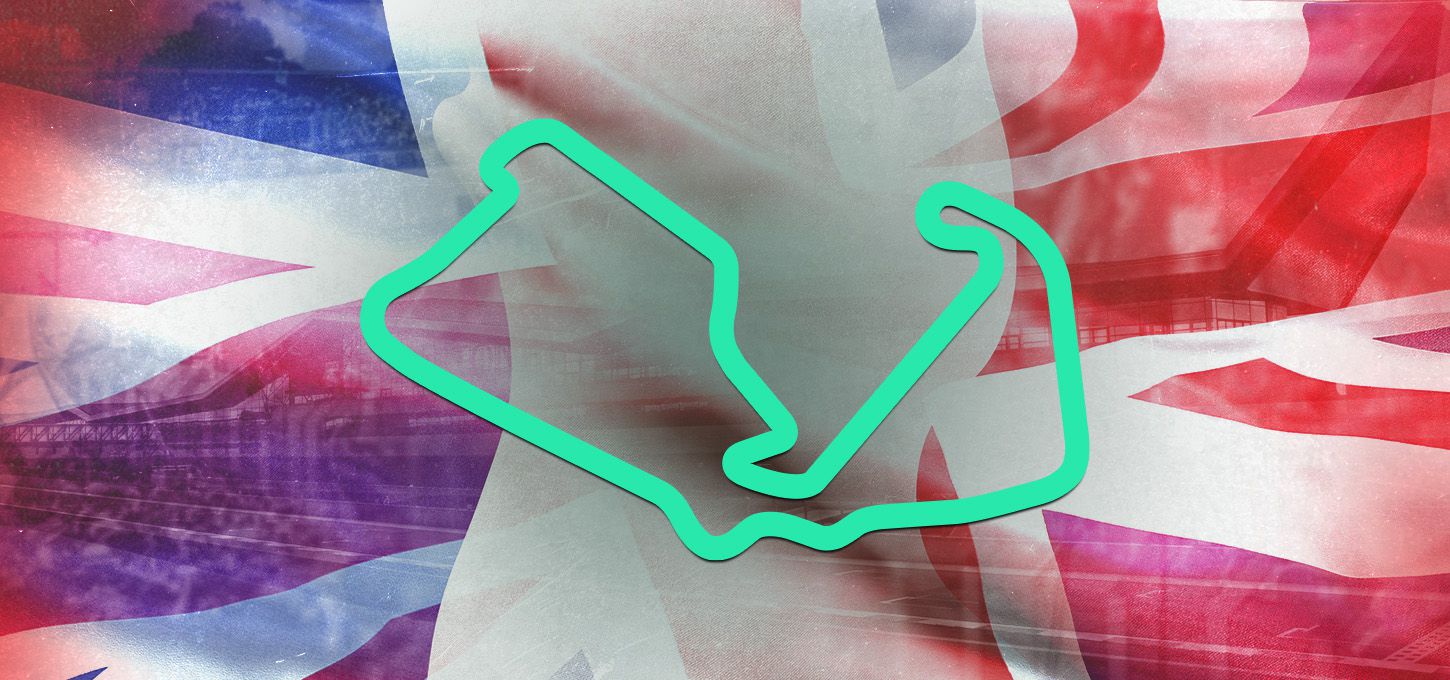
A massive investment programme transformed the circuit and brought it into the 21st century, featuring the new arena section which is a technical infield loop taking in turns three to five.
The 2000s and 2010s were defined by the rise of Lewis Hamilton. A product of the British karting scene, Hamilton’s ascent to the pinnacle of the sport became a period of unprecedented success.
The Briton has seven world titles and holds almost every record there is to hold in the sport.
Of course some of Formula 1's other greats tasted victory in Great Britain. Michael Schumacher won multiple times -- as he has everywhere -- while a young Fernando Alonso burst onto the scene and won on his way to a maiden world title.
It was Hamilton who stole the hearts of his home crowd however, as they had found a new icon.
His abilities to master the changeable British weather and harness the crowd's energy have seen him win a record nine times at Silverstone, the most a driver has ever won at one circuit in the sport's history.
The 2020 British Grand Prix, held behind closed doors due to the global pandemic, provided one of the most dramatic finishes in history, with Hamilton at the centre of it.
With his front-left tyre delaminating on the final lap, Hamilton limped his Mercedes across the line just five seconds ahead of Max Verstappen to take the win, a testament to his composure and sheer willpower to win in front of a crowd that adore him.

Another 100 years?
As we reach the 2026 centenary, the British Grand Prix is in a state of evolution.
The sport has embraced sustainability, with the 2026 regulations focusing on hybrid efficiency and carbon-neutral fuels. Though they are set to change again over the coming years.
2026 will be the first race under these new regulations, and nobody knows how it may play out.
The one thing that is a certainty though, is the fans turning up in droves to cheer on the five British drivers on the grid.
What is it that makes the British Grand Prix so special?
It isn't just the history, though 100 years of it certainly helps.
It is the passion of the fans, who brave the unpredictable British weather year after year.
It is the unique challenge of the Silverstone circuit, which demands a perfect balance of aerodynamic efficiency and mechanical grip.
It is the fact that for many teams, this is a "home" race, with their factories located just miles from the track.
The British Grand Prix has survived wars, economic downturns, and the constant evolution of technology. Transitioning from the brave, if not crazy, men in leather helmets at Brooklands to the data-driven athletes of 2026.
As we look ahead to the next 100 years, one thing is certain -- the British Grand Prix will continue to be the stage where legends are made and history is written.
The roar of the engines will change, the technology will evolve, and the faces in the cockpit will come and go, but the spirit of the British Grand Prix and the love of motor racing in Great Britain will endure.