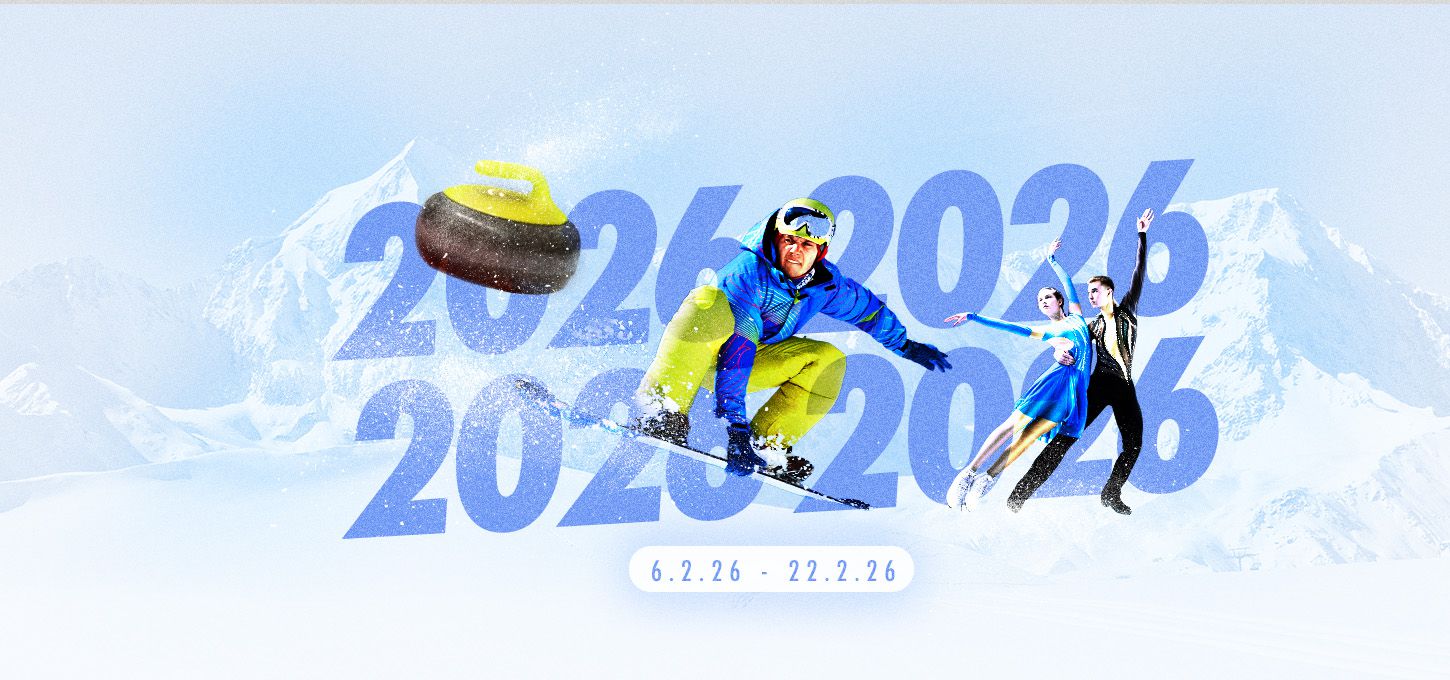
Medals in figure skating have been competed for at the Olympics since 1908 and there will be five gold medals to be won at the Milan Ice Skating Arena at this month’s Games.
Dates
The team event at the Winter Olympics will start on Friday 6th February before the opening ceremony. The final medals will be awarded after the women’s singles free skating program on Thursday 19th February.
Events
There are five gold medals up for grabs in figure skating, which are:
- Men’s singles
- Women’s singles
- Pairs skating
- Ice dance
- Team Event
Format
The men’s singles, women’s singles and pairs events are divided into two with a short program that contains mandatory technical elements and a free program, which also has to contain some technical elements.
The pairs have to perform some elements together such as jumps and spins with a heavy emphasis on sychronisation.
In ice dance, a rhythm dance and a free dance are performed and the scores are decided by technical specialists and a technical controller on one hand, while the quality of execution and artistic elements are decided by nine judges, with the best score deciding the winner.
The top 10 countries take part in the team event where male, female and pairs perform short programmes with the scores combined to decide the winner. This is set to take place before the opening ceremony.
Venue
The figure skating will take place at the Milan Ice Skating Arena which will also host the short-track speed skating events. It offers seating for 11,500 spectators.
History
Figure skating was actually first contested at the Olympics in the summer games in London in 1908 and then again at Antwerp in 1920 before the first Winter Games in 1924 and it has been an integral part of the Games ever since.
Primarily it was just the men’s singles, women’s singles and pairs events, but ice dance was integrated into the games in Innsbruck in 1976 and the team event was first contested in Sochi in 2014.
Team GB Figure Skating Prospects
Team GB will be sending eight skaters to the Games and their best chance of a medal will be Lilah Fear and Lewis Gibson in the Ice dance.
They earned a bronze medal at the World Championships in 2025 and have won four European Championships so they have a realistic medal hope.
Phebe Bekker and James Hernandez will hope to make an impression in the same event while Anatasia Vaipan-Law and Luke Digby will be in the pairs and Kristen Spours will feature in the women’s singles.
Great Britain have also qualified for the team event, where Edward Appleby will be available to help the effort.
Team GB Figure Skating Medals
Great Britain have a strong tradition in figure skating with some household names claiming glory.
Madge Syers claimed a home gold in 1908 and Jeanette Altwegg came out on top in Oslo in 1952, before John Curry was a gold medalist at Innsbruck in 1976 at the start of a golden era in British figure skating.
Curry’s success was emulated by Robin Cousins four years later in Lake Placid.
However, Jayne Torvill and Christopher Dean took the sport to another level when they won gold in Sarajevo in 1984 with their legendary program to Ravel’s Bolero.
They turned professional after the competition but came back in Lillehammer 10 years later when they claimed a bronze, Britain’s most recent Olympic medal in the sport.