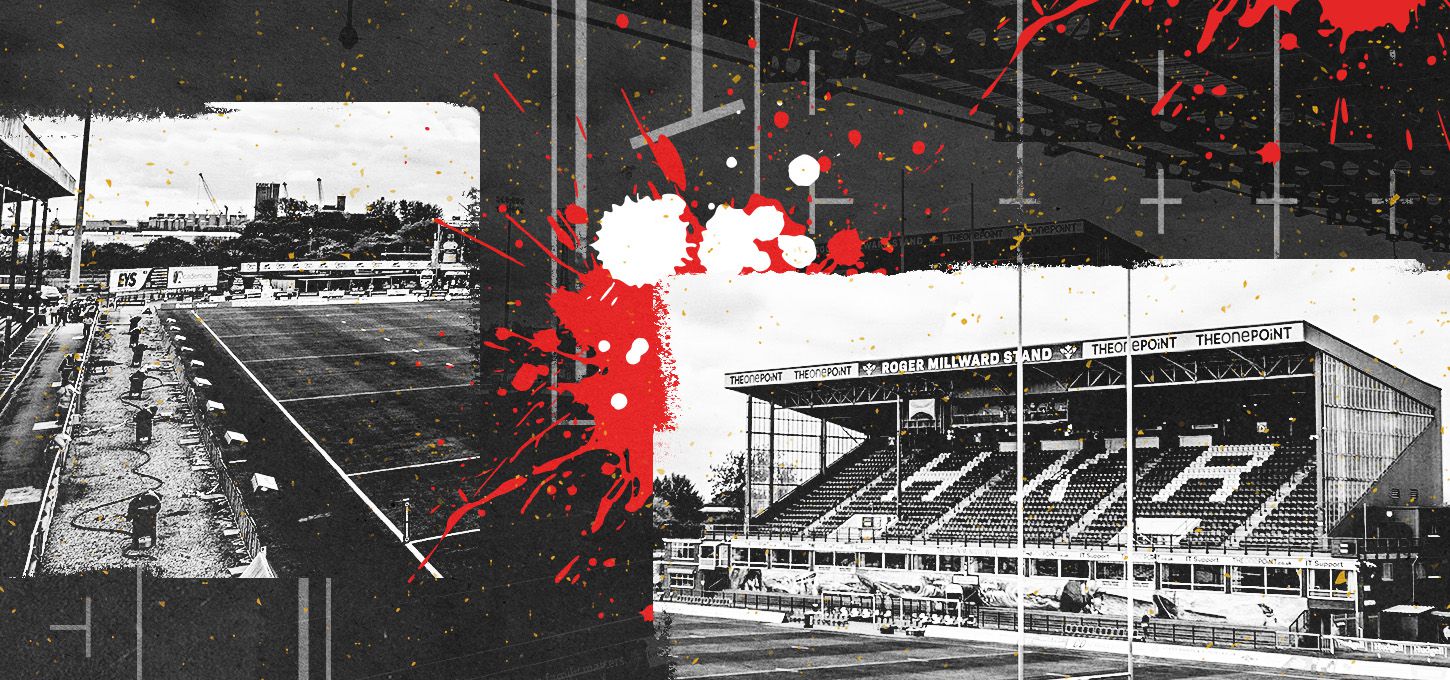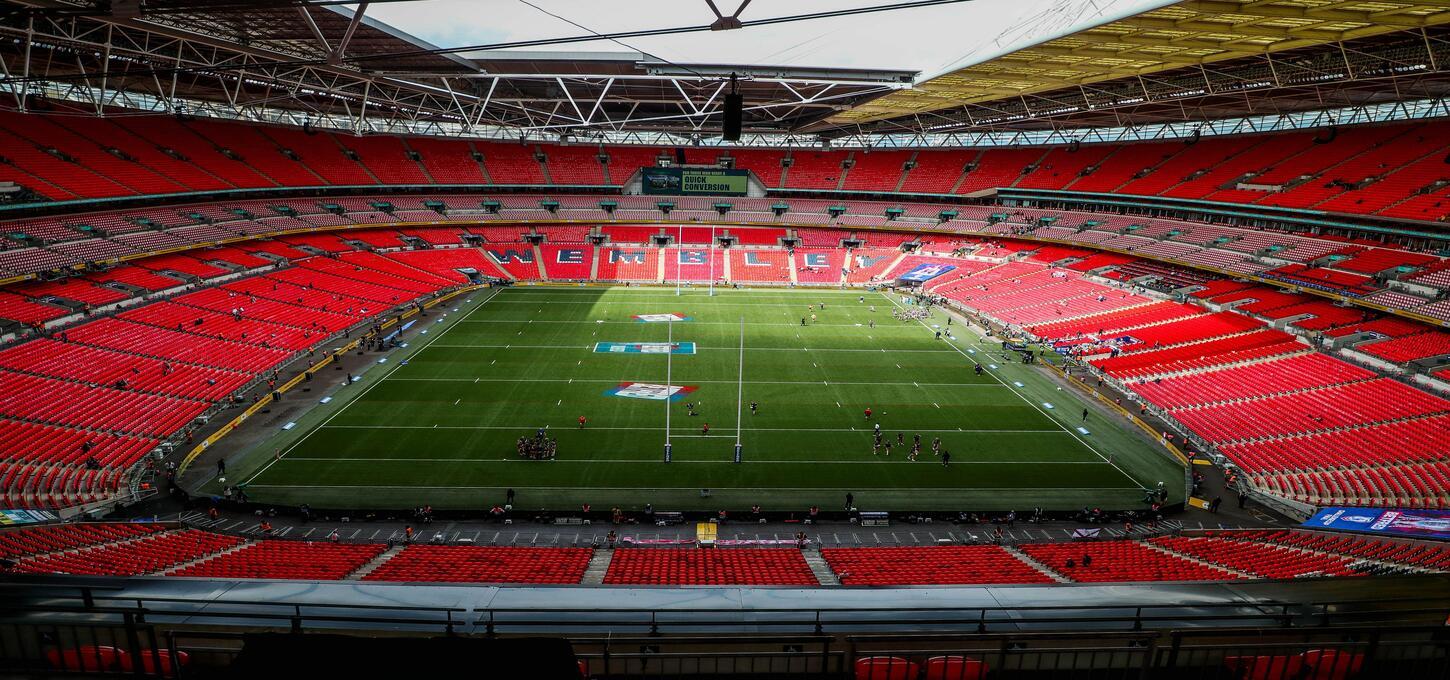
The Challenge Cup final between Wigan Warriors and Hull Kingston Rovers will mark 97 years since the first Challenge Cup final to be held at Wembley.
Contracted to remain there until at least 2027, the RFL need to have a difficult conversation about the future of the showpiece, with only 60,000 fans expected to be in attendance on Saturday.
There is no arguing with the history and the strong bond between the game and the ground; the statue depicting Martin Offiah, Alex Murphy, Eric Ashton, Gus Risman and Billy Boston is only the second statue to be erected outside Wembley after England’s World Cup-winning captain Bobby Moore.
But rugby league cannot allow sentiment to hold it back. While football gets bigger by the year, rugby league in turn occupies a smaller slice of the sporting pie.
With the sport largely paywalled behind Sky Sports, the Challenge Cup and the occasional international matches offer a handful of opportunities each season to showcase itself to a wider audience.
The first Ashes Test between England and Australia last year peaked at more than 1m viewers on BBC One, double the amount of viewers who tuned in for the Super League Grand Final.
Unfortunately it was played in front of a half-empty Wembley, with 60,000 fans in attendance, and while that obviously impacts the atmosphere, it creates a worse viewing spectacle for those watching at home.
There was some savviness to the RFL’s strategy regarding the Ashes series. Hold the first game at Wembley when appetites were at their largest and all was still to play for. Hold the next game at the Hill Dickinson Stadium in Liverpool; another guaranteed sell-out of more than 50,000. Then, with every chance the series was wrapped up – as turned out to be the case – move into the heartlands at the 20,000-capacity Headingley.
Critics suggested the decision to include the smaller Headingley showed a lack of ambition. Perhaps, but it ensured more tickets would be sold for the London and Liverpool matches, which was always the challenge.
England were well in the game for the first half of the opener before Australia’s class showed, and it was hard to escape the feeling that were the game played in front of a more raucous crowd, England could have pushed Australia closer.
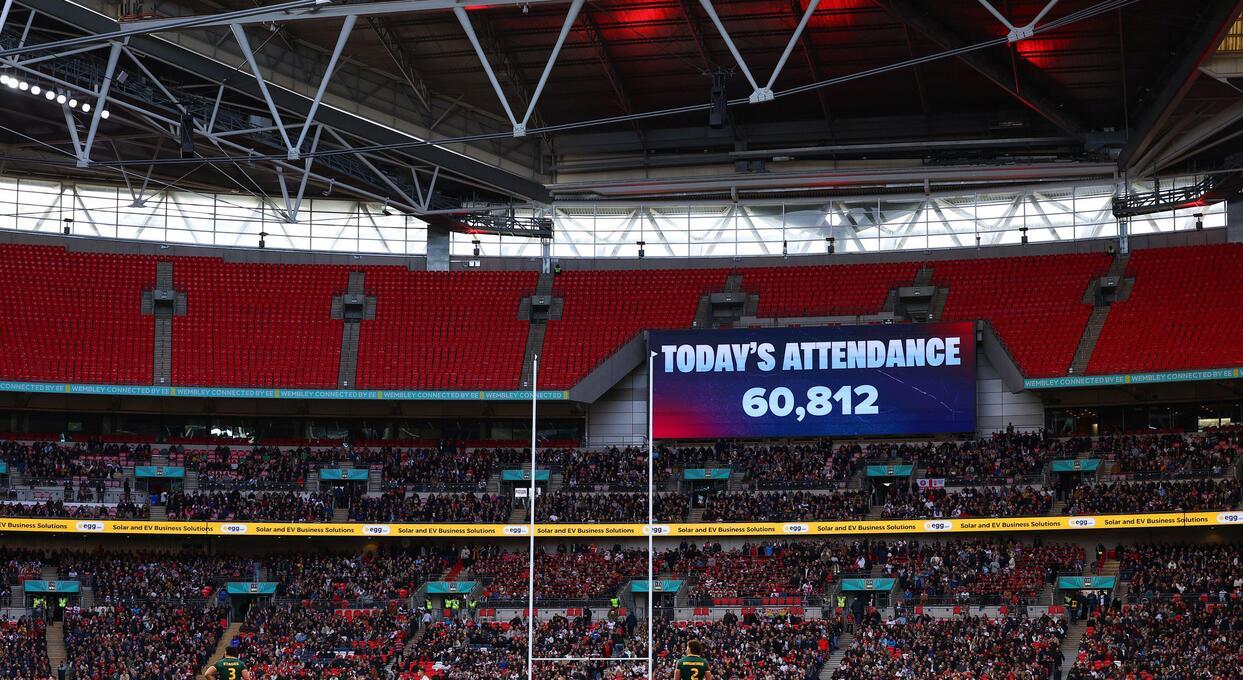
Had the game been played at a sold-out Tottenham Hotspur Stadium, there would have been a much better atmosphere, with a better chance of a positive result and more incentive for viewers to watch the rest of the series.
Wembley simply doesn’t generate the intense atmosphere its games deserve. Even when it’s full – which it never is for rugby league games – better atmospheres are found at smaller grounds.
The RFL faces frequent criticism for its running of the game, but its ambition of building a rugby league presence in London must be persevered with. London Broncos are finally receiving backing in the Championship and will likely return to Super League next season.
While you might not find loads of dyed-in-the-wool Londoners rocking up at Plough Lane, there are tens of thousands of Australians living in London and countless more spending time in the city throughout the year, and a thriving – or at least notable – London club is essential.
But the sport’s connection to London can no longer include Wembley. While a handful of finals claimed to have had attendances in excess of 80,000 since the new Wembley opened, these were all in the years when the 10,000 Club Wembley seats were automatically added to the figures. The last true attendance of more than 80,000 was all the way back in 1988 when Wigan embarked on the first of their eight straight Challenge Cup wins, as 94,000 saw Graham Lowe’s men run out 32-12 winners.
Attendances have largely been in the 70,000s since, but even 70,000 hasn’t been achieved since 2016.
Since Covid, the Wembley attendances have been 58,213, 64,845 and 63,278, with fewer than 60,000 expected to turn up on Saturday. At what point do the RFL say ‘enough’? Do attendances need to dip into the 40,000s before the conversation is had?
Frankly, rugby league simply isn’t big enough in London to require a 90,000-seater stadium. Selling out a 60,000-seater stadium is more impressive than selling 70,000 tickets in a 90,000-seater stadium.
It may be that the game returns to Wembley in the future, but while the appetite is what it is, the game must bid Wembley farewell.