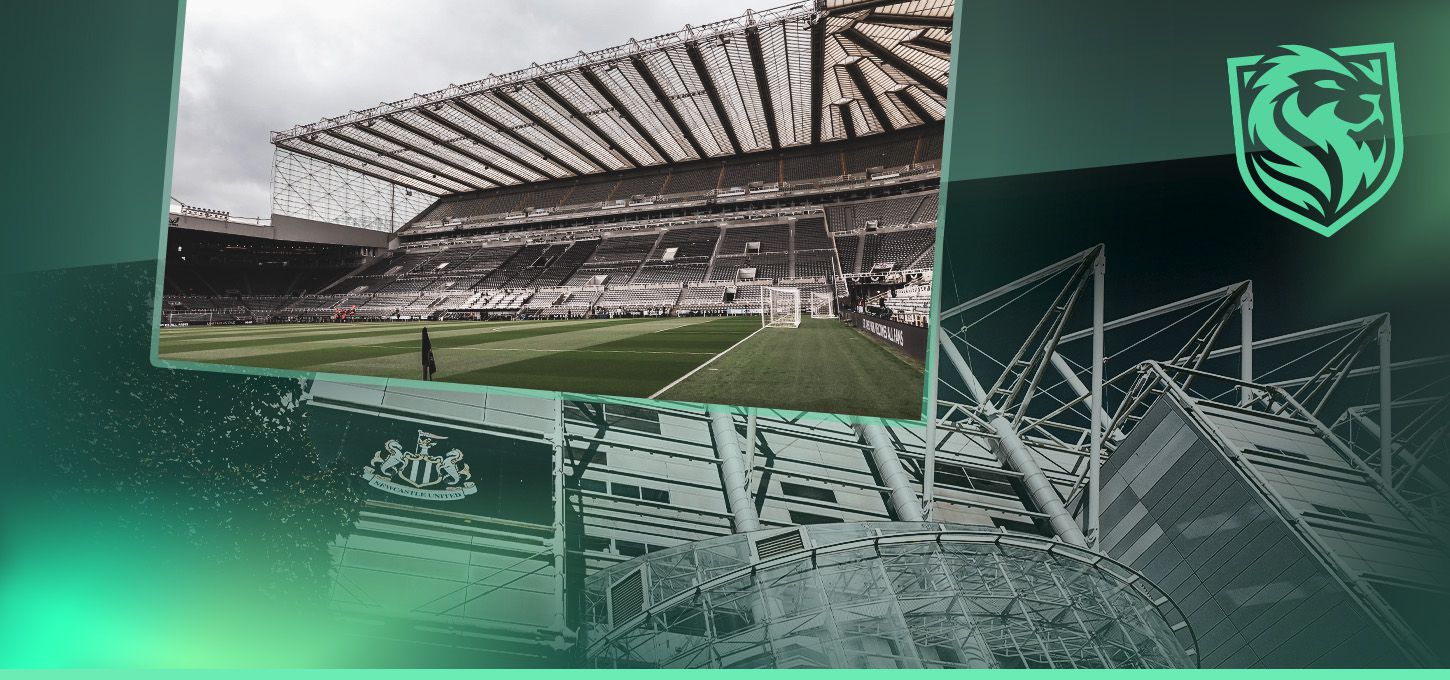
If the rumours are to be believed, Newcastle may well be looking for a new manager over the summer.
Eddie Howe cut a disconsolate figure last summer with the drawn-out Alexander Isak saga, fans are becoming restless, and he’s hardly been given unequivocal backing from the club’s hierarchy.
The news that Andoni Iraola will be available in the summer makes Howe’s position even more precarious, while the reports linking Jose Mourinho to the job should have alarm bells ringing for every Newcastle supporter.
If Howe is to leave Newcastle, the outgoing Bournemouth boss looks the most likely candidate to take over, though he won’t be short of offers, and may prefer a return to Spain. But should the former Rayo Vallecano boss opt to stay in the Premier League, is he the man to take Newcastle forward?
Iraola is certainly a talented coach, but his principles are about creating chaos, playing with intensity and overwhelming the opposition. Fine at Bournemouth, but what does that look like when playing in Europe? Newcastle would likely be falling into the trap they’re trying to escape with Howe.
The frustration emanating from the Gallowgate End is understandable; Howe still hasn’t worked out how to juggle European football with a successful domestic campaign. In the two full seasons without European distractions, Newcastle have averaged 68.5 points. In the two seasons with European football, they’ve averaging a measly 55.5.
But it’s worth remembering where Newcastle were when Howe arrived at the club: bottom of the league with relegation a very real possibility. Eighteen months later and they’d qualified for the UEFA Champions League.
Of course, the club received substantial investment, but Howe was the mastermind behind their rise. He took Joelinton from a desperately failing forward to a tenacious box to box midfielder, deploying him next to Bruno Guimaraes and Joe Willock – and later Sandro Tonali, creating a formidable midfield trio.
Is Howe a worse manager than he was a year ago or three years ago? Are his methods suddenly ineffective?
If there is a fair criticism to launch at Howe’s coaching, it’s that he’s not been able to adapt sufficiently following the departure of Alexander Isak. The Swede was not just the focal point of his side’s attack, but a crucial part of their entire attacking output, and it’s led to Anthony Gordon being deployed as a centre forward and Nick Woltemade being dropped into midfield.
Isak had pace to burn and a willingness to run channels while possessing the ability to create chances and even score goals from those positions.
Woltemade was signed as his replacement, and while the German is certainly talented, he’s the antithesis of Isak. With the club desperately flailing around for strikers over the summer, it appeared they wanted a physical presence, ignoring what it actually was that made Isak so potent.
Benjamin Sesko would have been fine, Hugo Ekitike would have been great, but Woltemade wasn’t what Howe needed, yet it's what he had to settle for. The prolonged chase for Yoane Wissa, eventually signed three weeks after the season had started, was downright bizarre.
Signing a striker who was about to turn 29, who’d averaged fewer than nine goals per season in the three campaigns prior to his admittedly impressive 2024/25 term for £55m is not how proper squad building is done.
Both Wissa and Woltemade were left on the bench for Newcastle’s 2-1 defeat to Crystal Palace, in a telling insight into Howe’s thoughts on the players.
Howe has frequently expressed his displeasure at the financial rules that he feels are handicapping him somewhat. Reading between the lines and it could be inferred that Howe doesn’t have a problem with the money they’re allowed to spend as such, but that it’s so frequently squandered.
Bruno Guimaraes and Isak were big hits; Lewis Hall could also be sold this summer for much more than the £27m he was bought for, but over the last two years, Newcastle haven’t shown any kind of coherent strategy in the transfer market.
Last season, Hall, Odysseas Vlachodimos and William Osula came in for around £60m, with the club forced to balance the books with the sales of Elliot Anderson and Yankuba Minteh for a combined £66m.
This season was much more damaging and will likely take time to untangle. Newcastle’s net spend pushed £100m, and they had so little to show for it. It’s all well and good complaining about the Premier League’s financial rules being unfair, but nobody forced them to spend £238m on Woltemade, Anthony Elanga, Wissa, Jacob Ramsey and Malick Thiaw.
There’s an outside chance that Newcastle sneak into the Conference League places, which might actually be the worst outcome for the club. The added travel to far-flung destinations for little financial reward isn’t the platform any new manager – nor Howe for that matter – needs.
PSR shouldn’t be as big of an obstacle this summer; the likes of Anthony Gordon, Tino Livramento, Tonali, Hall and Guimaraes will all be attracting plenty of interest, and while all five wouldn’t be sold, their combined transfer fees would bring in around £300m, allowing for a rebuild. Whether the club’s higher-ups are capable of carrying that out to good effect remains to be seen.
A new manager with a refreshed squad and without the burden of European football might enjoy a successful first 12 months, but give it another year and Newcastle would be back
Prior to the defeat to Crystal Palace, Howe insisted he remains “100% committed to the job.”
It's a level of commitment the club would do well to reciprocate.