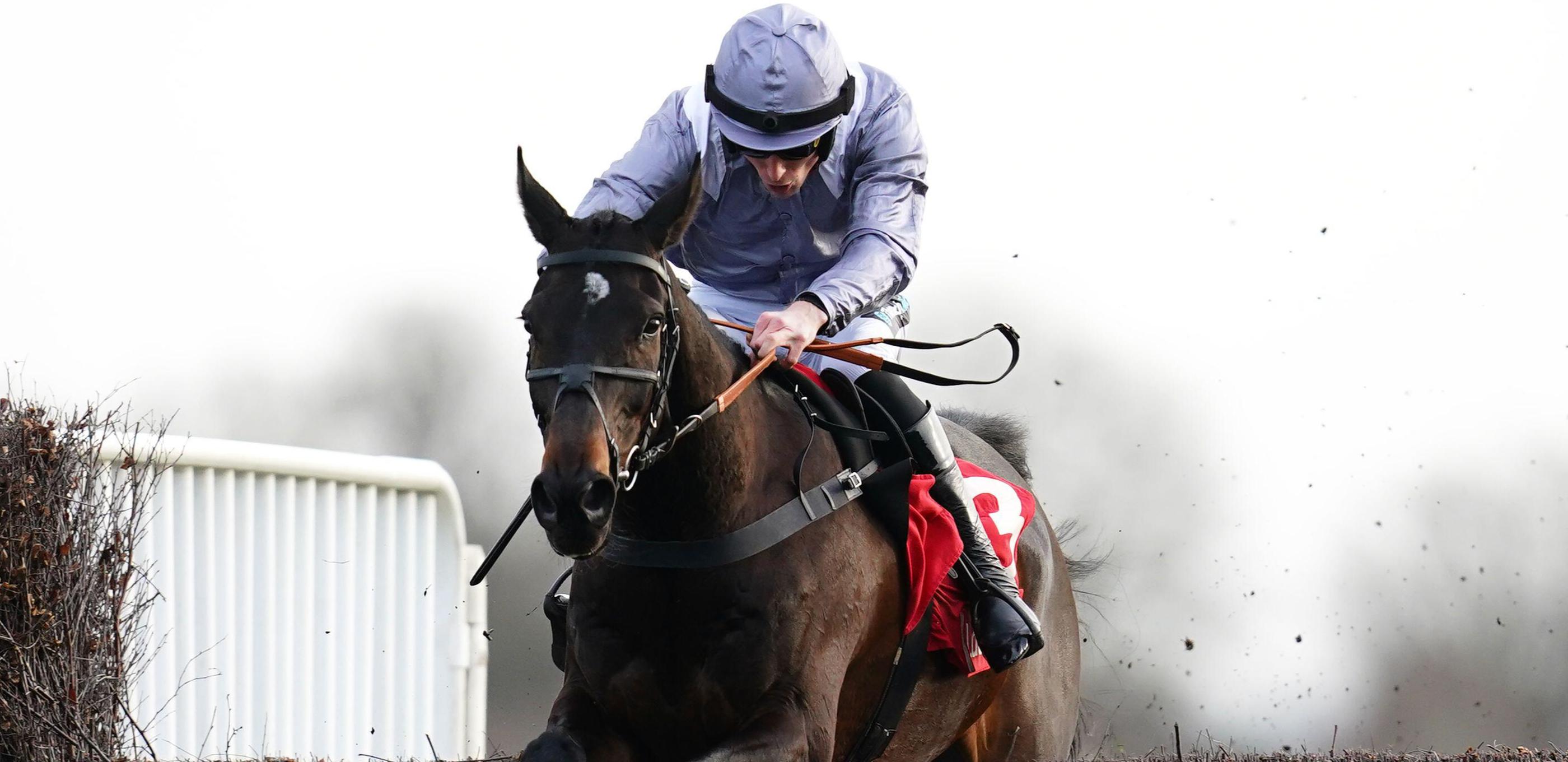
Horse racing retains a special place in the hearts and minds of the British sporting public, ranking inside the top five most attended sports annually by spectators.
Major racing occasions like the Cheltenham Festival and Royal Ascot are woven into the fabric of our sporting consciousness.
The history of horse racing and its origins can be dated back to the Romans, with the sport gaining popularity from as early as the 10th century.
The history of horse racing and its stars, both equine and human, is now written into our sporting folklore.
Romans bring racing to Britain
In its oldest forms, the sport was enjoyed by Egyptians, Syrians and Ancient Greeks, though the first links to Britain are traced to the Romans around 200 AD.
By the 10th century, the Anglo-Saxons were creating accounts of horse racing that allow its growing popularity and traceability to be documented.
The General Stud Book was first published in 1791 by James Weatherby, detailing the horses competing and their pedigree information.
By virtue of that, every thoroughbred born today can be traced back to the sires from that era.
History shows three stallions responsible for the foundation of the entire thoroughbred breed; The Godolphin Arabian, The Byerley Turk, and The Darley Arabian.
The last of the three shares DNA with 95 per-cent of all modern thoroughbreds, ensuring the lineage of every competing racehorse we see today can be traced back through centuries – like a very large and detailed family tree.
Newmarket becomes the racing town
The Jockey Club was formed in Newmarket in 1750 and was made up of the elite in the horse racing world at the time.
From there, the rules of racing were originally written and, in time, The Jockey Club became the sport's appointed governing body.
Though The Jockey Club's modern headquarters are now in London, the original location on Newmarket's High Street retains a special place spiritually within global racing and the town of Newmarket itself is intrinsically linked to the sport.
Newmarket is home to many of the finest training centres in Britain, while its racecourse hosts two of the five British Classics, the 1000 and 2000 Guineas.
Jumps racing emerges from Ireland
Today, jumps racing is largely the preserve of European powers Britain, Ireland and France. The modern day rivalry between Britain and Ireland is one of the key narratives for the Cheltenham Festival in particular.
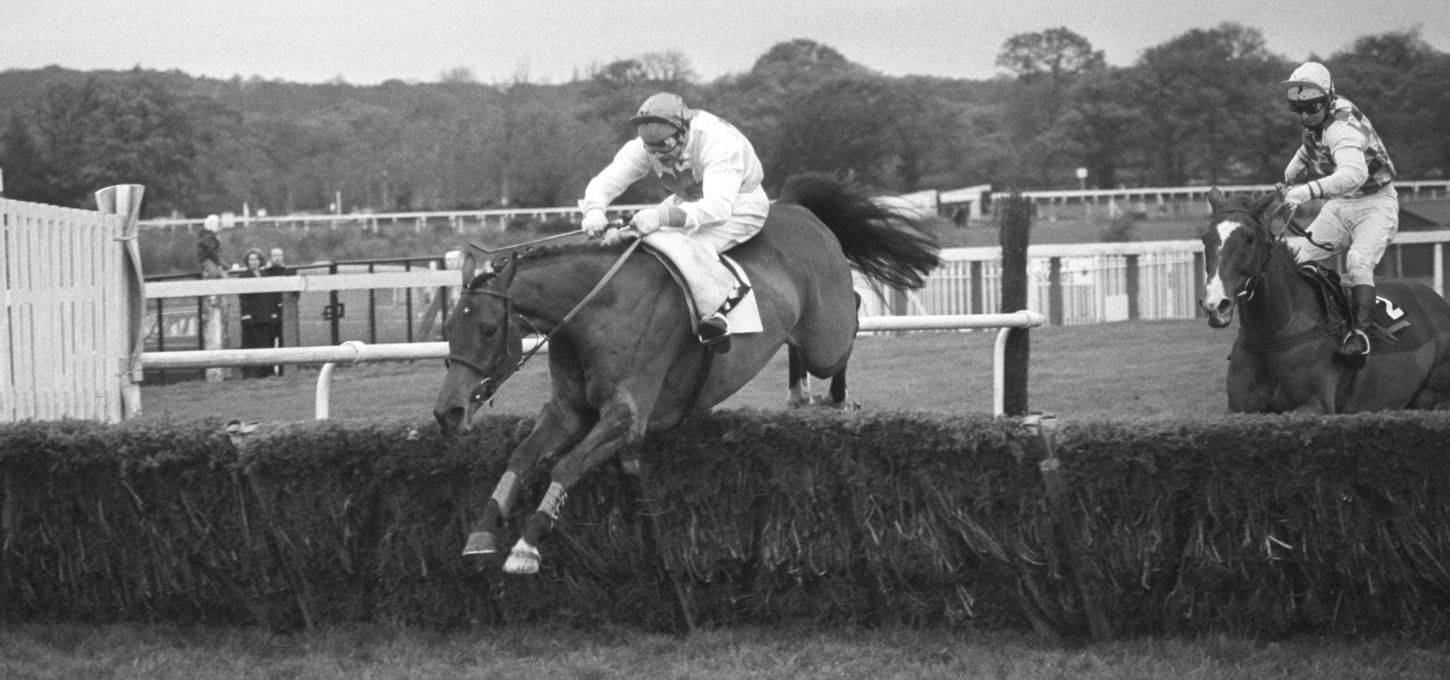
National Hunt racing, as it is known, originated in Ireland with horses racing over long trips across the countryside, where they were required to jump whatever obstacles the landscape threw in their way.
The first recorded details of such racing took place in County Cork in 1752, with the combatants racing over a distance of 4½-miles. The start and finish were marked by the church steeple in the towns of Buttevant and Doneraile, hence the term 'steeplechase' we come to know today.
In Britain, jumps racing originated with events going cross country over a number of fields, hedges and brooks, but by the 1860s with the formation of the National Hunt Committee, a more regulated sport was coming into existence.
By the early 1900s, Cheltenham hosted the major National Hunt Meeting annually and, come the 1920s, the Cheltenham Festival became a major part of the season, providing a series of Championship races over hurdles and fences that have become staples in our modern sport.
Great races stand test of time
While horse racing is now a daily pursuit the length and breadth of Britain, the sport's most treasured prizes are time-honoured and date back to the formation of racing as an organised sporting endeavour.
On the Flat, Britain's five Classics – for three-year-old fillies and colts – were designated in 1815. They are the 1000 and 2000 Guineas at Newmarket, the Oaks and Derby at Epsom and the St Leger at Doncaster.
The St Leger is the oldest of the Classics, first run in 1776, with the 1000 Guineas the newest (1814).
These Group 1 contests – the highest level of racing on the Flat – are the defining races for three-year-olds and success in them marks a horse down as an exceptional talent with future breeding plans hatched as a consequence.
While the Cheltenham Festival didn't arrive on the scene until the early 1900s, the most iconic jumps race of all – the Aintree Grand National – came along in 1839.
The Merseyside marathon is amongst the ultimate tests of jumping ability and stamina and is known across the sporting world far beyond the shores of Britain and Ireland.
The winners of all of racing's major events, both on the Flat and over jumps, are recalled and honoured forever, often in the naming of key races that go on to carry their names – such as Sandown's Eclipse Stakes or the Arkle at the Cheltenham Festival.
Racing retains public's love
Today, racing remains as one the most treasured sporting pastimes for the public in Britain and Ireland.
It enjoys unprecedented terrestrial coverage on both sides of the Irish Sea that makes it the envy of many other major sports.
Racing has moved with the times, as far back as the introduction of photo finishes in 1947, and continues to advance in the era of social media and instant gratification to remain relevant.
The thrill of a day at the races continues to delight the general public, with the accompanying adrenalin rush of seeing these magnificent thoroughbreds strut their stuff like their predecessors across centuries before them.