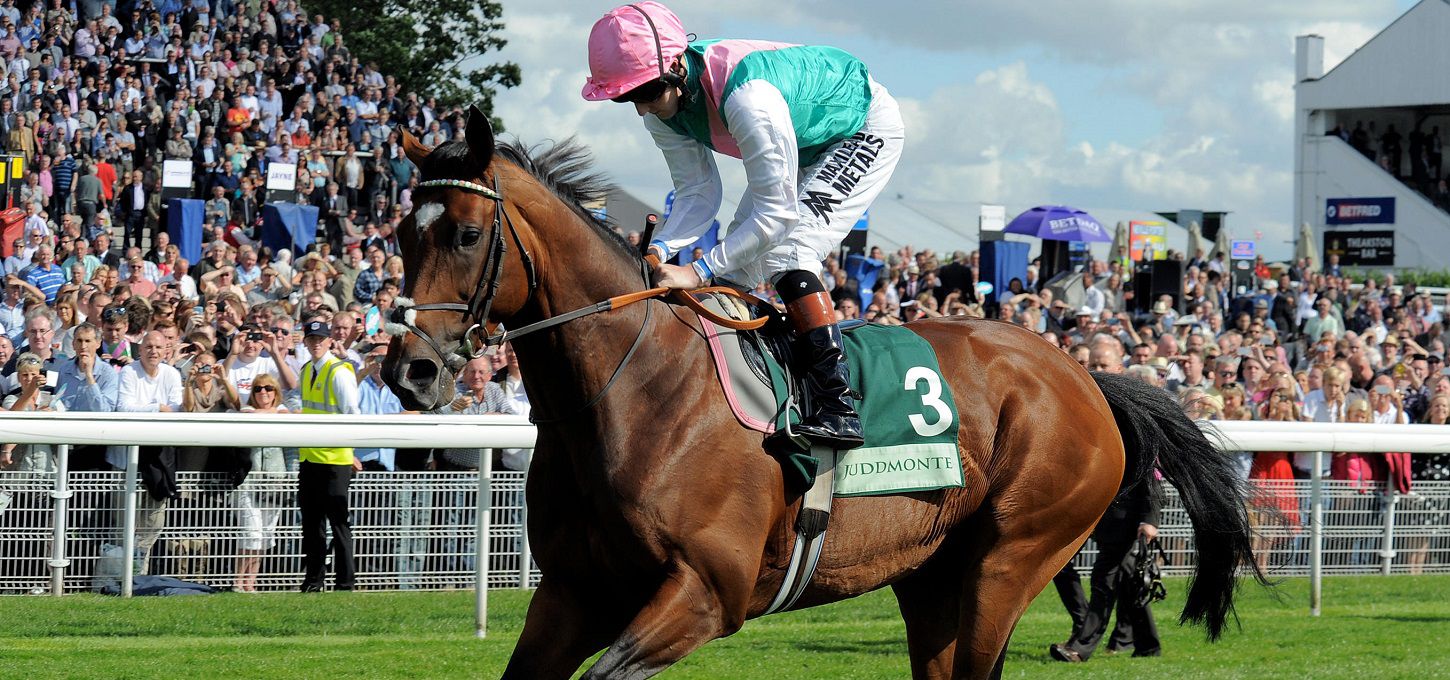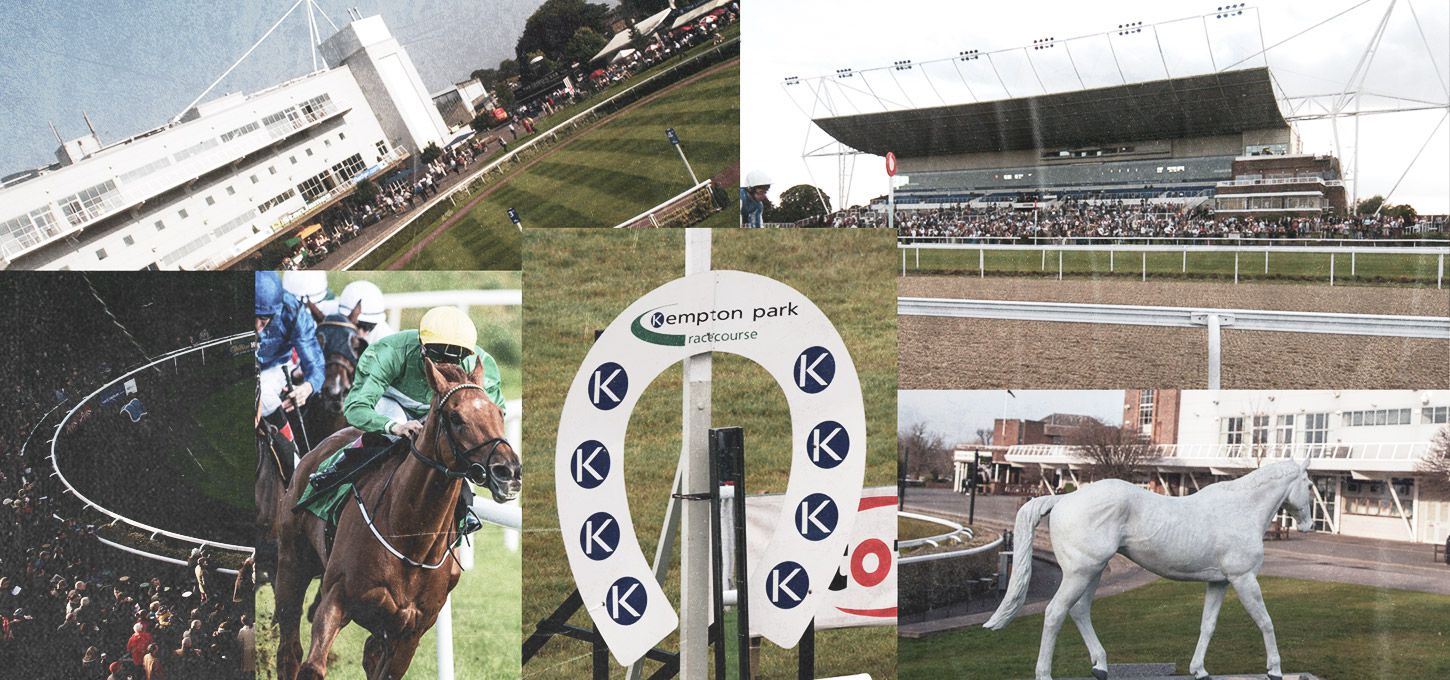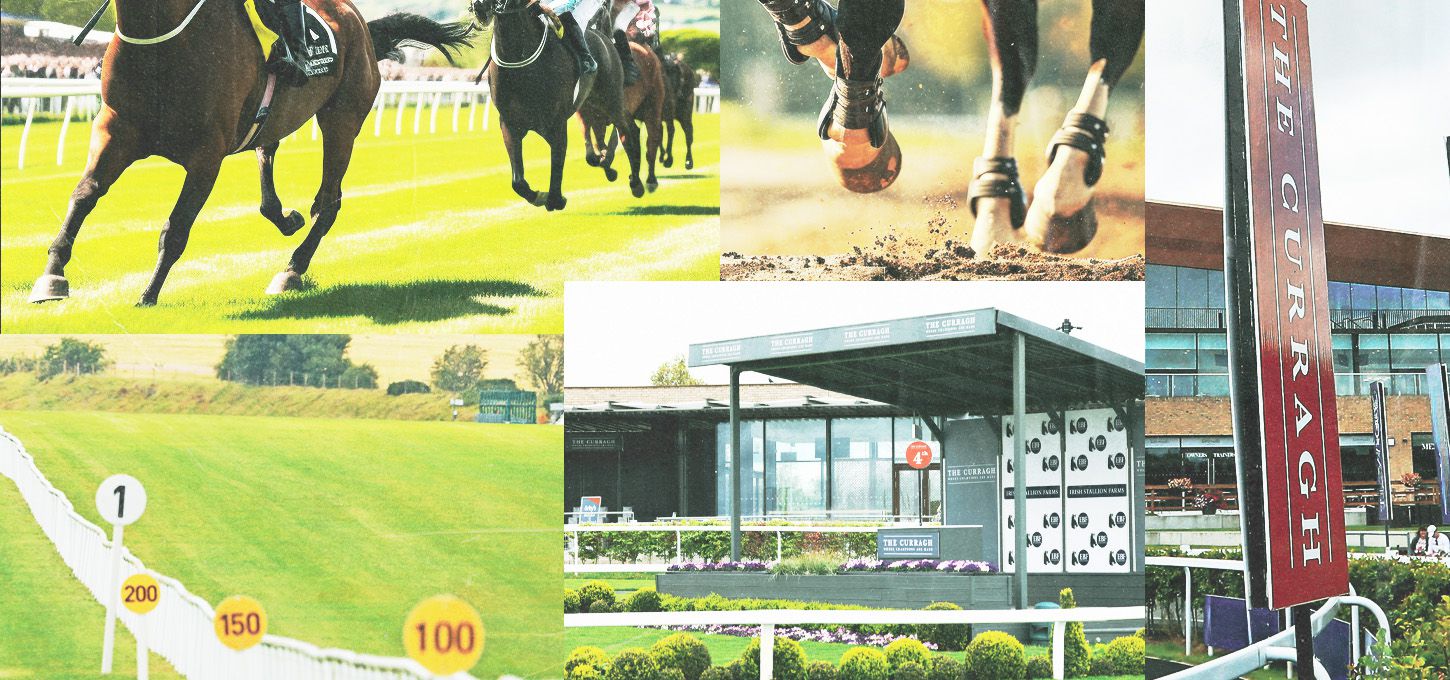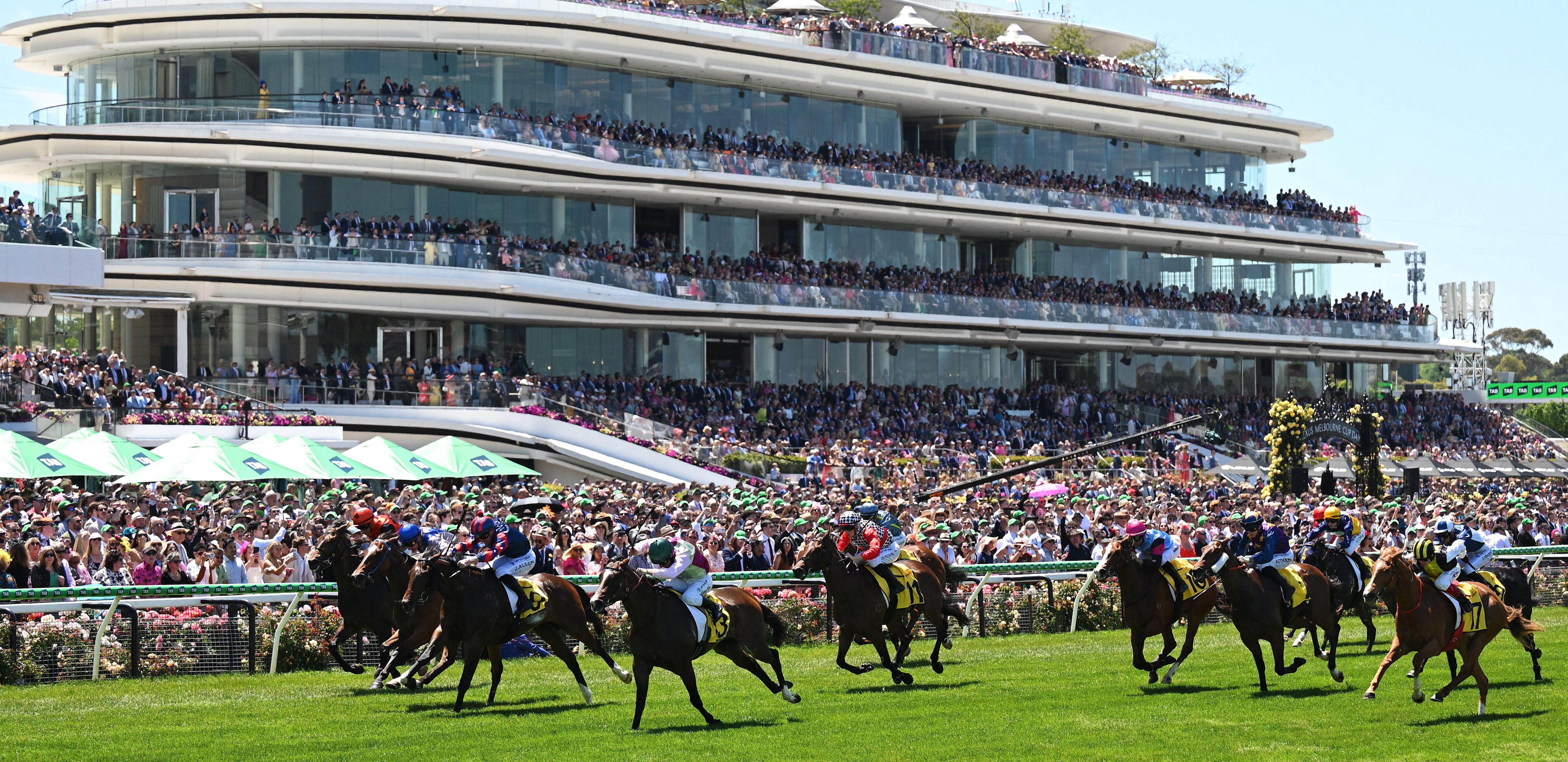
Horse racing remains as one of the most popular spectator sports in Britain and Ireland and we are taking a look at what defines the pursuits on the flat and over jumps.
Broadly speaking, flat racing dominates the summer months, while jumps racing – or National Hunt racing as it is commonly known – is the winter pursuit.
Both codes of racing have a commonality in terms of their protagonists aiming to develop through the ranks and contest the biggest prizes in the sport annually.
What are the differences between Flat Racing and Jump Racing?
In a nutshell, and to state the obvious, flat racing sees horses competing on the level, whereas jump racing requires them to jump over various obstacles in their races.
Horses on the flat most commonly race over shorter distances, often ranging from five-furlongs to a mile-and-a-half, while jump races are held from the two-mile minimum trip up to the marathon four-and-a-half-miles.
One key difference between flat racing and jump racing is age. Horses on the flat begin racing at two, as juveniles. They can race through until they are veterans but many of the most talented are retired early, typically for breeding purposes.
In jump racing, horses typically begin their careers at four-years-old, the juvenile age for National Hunt races. They often have careers spanning eight-to-10 years and can race into their teens.
Flat Racing explained
Flat racing is much more about pedigree. The lineage of every thoroughbred born can be traced back centuries. Their ability is often directly reliant on the pedigree from which they have descended, with speedy horses typically breeding similar types etc.
Horses on the flat typically race at distances from 5f up to 2½-miles in extreme cases. The thoroughbred is aimed precisely at the trips over which it is bred to excel, though there are of course some variances and anomalies.
The pinnacle for a thoroughbred is the Epsom Derby, the most prestigious of the five three-year-old Classics run in Britain each year. The others are the 1000/2000 Guineas at Newmarket, the Oaks at Epsom and the St Leger at Doncaster.
There are a host of Group 1 races through the season at each of the main distances over which flat horses compete – 5f, 6f, 7f, 1m, 1m2f and 1m4f – while races like the Ascot Gold Cup over 2m4f test the stamina of its contenders.
Pattern races are those run at Group-race (1, 2 and 3) and Listed level. Pattern races are officially recognized for their high quality, historical importance, and impact on breeding.
Not every horse comes up to this level of ability, of course. Handicap races – both on the flat and over jumps – are races where each horse is assigned a rating based on demonstrated ability in previous races, with the theory being that if they are rated to their current ability, each horse in the race should have an equal chance of success, based on the weight they are assigned due to their rating.
There are also various levels and grades of handicap races, to allow all competing horses the chance to shine against rivals of similar ability.
Flat Racing surfaces
Flat racing takes place on two main surfaces; turf and synthetics – often referred to as all-weather surfaces as they race through the winter months when turf racing on the flat takes a break.
- Turf – the traditional and most common surface in European flat racing, turf racing takes place on grass, often maintained to a high standard. In turf racing, the 'going' indicates the conditions of the track, based on weather and other factors. This can vary from firm-heavy and can impact dramatically on the hopes of a horse 'acting' on the surface. That is to say, some horses simply do best when conditions are in their favour.
- Synthetics/All-Weather – these artificial surfaces are designed to withstand poor weather and allow year-round racing and they have been around since the 1980s, with the current options in Britain and Ireland being: Tapeta (Sand + wax + rubber/fibre) and Polytrack (Sand + rubber + fibres + wax).
When is the Flat Racing season?
The flat season in Britain typically begins in March with the Lincoln Meeting at Doncaster and runs until early November, with all of the major races and festivals taking place in this time.
All-weather racing takes place all year round but is particularly prevalent in the months when turf racing is out of season. The All-Weather Championships on Good Friday are a culmination of the season.
Jump Racing explained
In jumps racing the horses are generally strong and more durable, they don't possess the raw speed of their counterparts on the Flat, but they are bred to excel over long periods of time.
Jumps races take place at distances from two-miles and upwards, mostly to around three-and-a-quarter-miles, but with races like the Grand National at Aintree over four-and-a-quarter-miles being the ultimate test of stamina.
Jumps horses often start in races called 'bumpers', which are flat races for National Hunt horses, before progressing to hurdles and steeplechases.
Perceived wisdom dictates that the natural order is for horses to come through bumpers into hurdles and then to jumping fences, but there are no rules to that effect and many will bypass one facet or more.
Some horses are better suited to jumping hurdles over fences and vice versa. Again, the wisdom is that steeplechasing is the ultimate goal, but there are many great horses that spent their entire careers as hurdlers.
What is the difference between hurdles and fences?
Essentially, hurdles are more forgiving in their nature. They are three-feet in height and made of light brush or panels that can be brushed through or kicked over during races. Horses will jump hurdles typically at greater pace, due to their forgiveness.
Fences are typically 4½-feet tall. They are rigid and often topped with birch. They require a more cautious jumping style and, when horses hit them due to poor technique, they often result in a fall.
As horses mature and become more adept at jumping, they will often graduate from jumping hurdles to fences.
When is the Jump Racing season?
The National Hunt season – or jumps season – largely runs from October to late April. That is the period in which all the major races and festivals occur.
The UK season 'begins' with Chepstow's Jumps Season opener in October and concludes with the Jumps Finale at Sandown in April, though there are summer jumps races in between in what is largely the off-season for the sports' biggest names.
The season largely gears around the major spring festivals, with the centrepiece at Cheltenham in March, as well as major events at Leopardstown, Aintree and Punchestown.