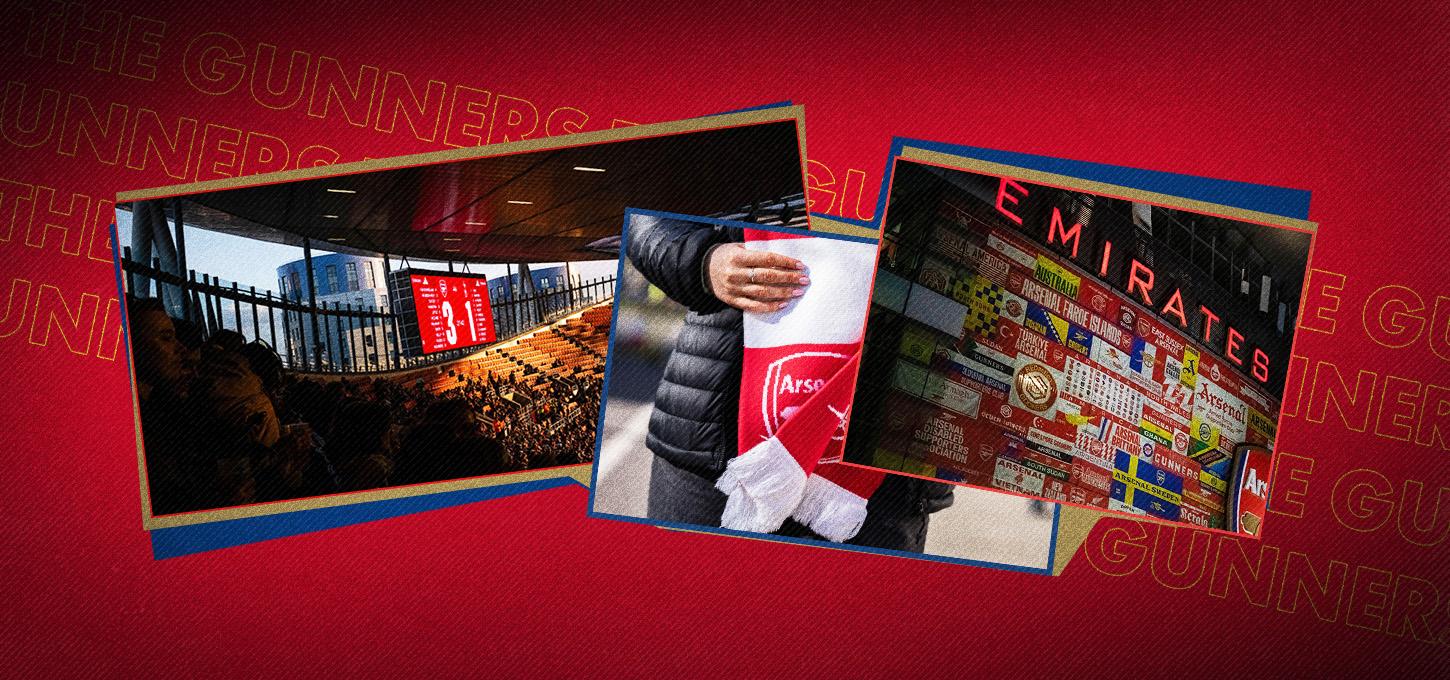
Football journalist and author Guillem Balagué gives his thoughts on the job that Mikel Arteta is doing at Arsenal and how the narrative across Europe is different to the one in the English game.
For the past few weeks a familiar debate has resurfaced around the Premier League: has football become worse?
That question gets asked when your team is not winning the league or when you feel the accusation affects the team on top (there is a strange relationship with winners in England, more on that later).
We are hearing that there are too many set pieces, too long to take them. Too much structure. Too many rehearsed routines and not enough spontaneity.
You hear nostalgia creeping into the conversation, the sense that the game was somehow purer before, more instinctive, more creative, more entertaining, more of this, more of that. Many fans are starting to sound like their grandparents.
But it is a tempting narrative. It is just that football rarely declines, in fact, what it usually does is evolve. And evolution often looks and feels uncomfortable while it is happening.
Where some people see sterile football, others see something very different: the next tactical chapter of the sport being written in real time. And while people in the street or on TV channels judge or debate, coaches learn.
One of the most interesting reference points for that learning process right now is Arsenal under Mikel Arteta.
If you speak to people working inside the game across Europe, the conversation around Arsenal sounds very different from the one sometimes heard in England. Arsenal are not seen as a team that has stalled, or boring, or the end of the world in football terms. Quite the opposite. They are viewed as a reference point - a team many study when trying to understand where elite football is heading.
Because the game has shifted, and those movements are hard to be seen by fans who live in the day to day, or even minute to minute of the game.
It is no longer enough to dominate the ball or simply attack well. The best teams now compete across four phases: organised attack, attacking transition, defensive transition and structured defence. At the highest level, doing those phases well often decides matches far more than possession percentages or aesthetic debates.
This is where Arsenal stand out. Under Arteta they control space, time and another essential element: rhythm.
They are aggressive without being chaotic, capable of creating moments of chaos in order to open gaps, but rarely losing their structural order. They are compact without becoming passive. Their pressing is prepared in detail and when possession is lost the reaction is immediate. The opponent is denied oxygen.
Across Europe, this is widely understood as a form of modern dominance. Understanding this requires stepping back and looking at how the game has evolved over the last fifteen years.
When Pep Guardiola’s Barcelona reached their peak around 2010, many believed football had discovered its ultimate expression. Possession, positional play and the famous “third-man” combinations seemed almost impossible to defend. Later, Guardiola’s Manchester City refined those principles even further, turning positional play into an almost perfect machine of control.
For a while it felt as though the game had reached a final answer. But football never stands still. Every dominant idea creates the need for a counter-idea.
Today’s coaches are constantly trying to solve the problems those teams created. How do you stop positional football? How do you prevent the third-man combinations that open defensive structures? One answer has been aggressive pressing. Another has been the spread of man-to-man defensive structures designed to disrupt passing networks. Where is the third man if they are all marked?
But perhaps the most important development has been the growing emphasis on transitions. The key battleground in modern football is no longer simply what you do with the ball. It is what happens the instant you lose it. Defensive rhythm has overtaken offensive rhythm.
Space is smaller and time is shorter than ever before. The teams that survive are the ones that arrive first, win duels and restore order before danger appears. Arsenal do this as well as anyone. From that perspective, their emphasis on details that can make a difference (including set pieces) becomes easier to understand.
In the toughest league in the world, managers search for every possible margin. Corners, free-kicks, pressing triggers, transition patterns, these are tools designed to maximise potential. In some ways they even help democratise the game.
Not every club can match the financial power of the richest squads. But every club can prepare a corner routine, can organise a pressing structure, can design ways to control transitions. And that is how football history has always moved. The great teams of one era force everyone else to innovate.
Across Europe, Arsenal are widely seen as a team that has absorbed Guardiola’s ideas and pushed them forward, strengthening them for a football world that now plays faster, presses harder and punishes hesitation.
At the very moment Arsenal are being questioned at home, they are being analysed abroad as a model. Arsenal are not taking football backwards. If anything, they look ahead of their time.

The standards demanded of teams at the top of English football are extraordinary. Arsenal must win. But apparently winning through set pieces does not quite satisfy everyone. Yet not so long ago the conversation sounded very different.
When Guardiola’s Manchester City dominated English football with their positional play, the argument often repeated was simple: winning was all that mattered. The method was secondary.
Now, when teams win using different mechanisms — pressing, transitions, rehearsed situations — the conversation has shifted again. It sometimes feels as though there is a hidden instinct in football culture to challenge those who rise to the top. The best teams become the most scrutinised and their strengths become irritations. Their ideas become targets.
Do you recognise the feeling?
Barcelona’s possession football was once criticised in some quarters as sterile “tiki-taka”. Guardiola’s City were occasionally accused of over-controlling matches. And yet both teams shaped the direction of modern football. Today’s debates may simply be another stage in the same cycle.
The past always looks cleaner in memory. But the reality of every era was far more complicated than the nostalgia suggests.
Players are faster, stronger and better prepared than ever before. Coaches have more information and analytical tools than any generation in history. Ideas travel faster. Tactical innovation spreads across leagues and continents almost instantly.
What we are witnessing now is not the decline of football’s beauty. It is the search for its next expression. What the modern game may lack is not quality, but a figure capable of turning all those elements into something, why not, poetic.