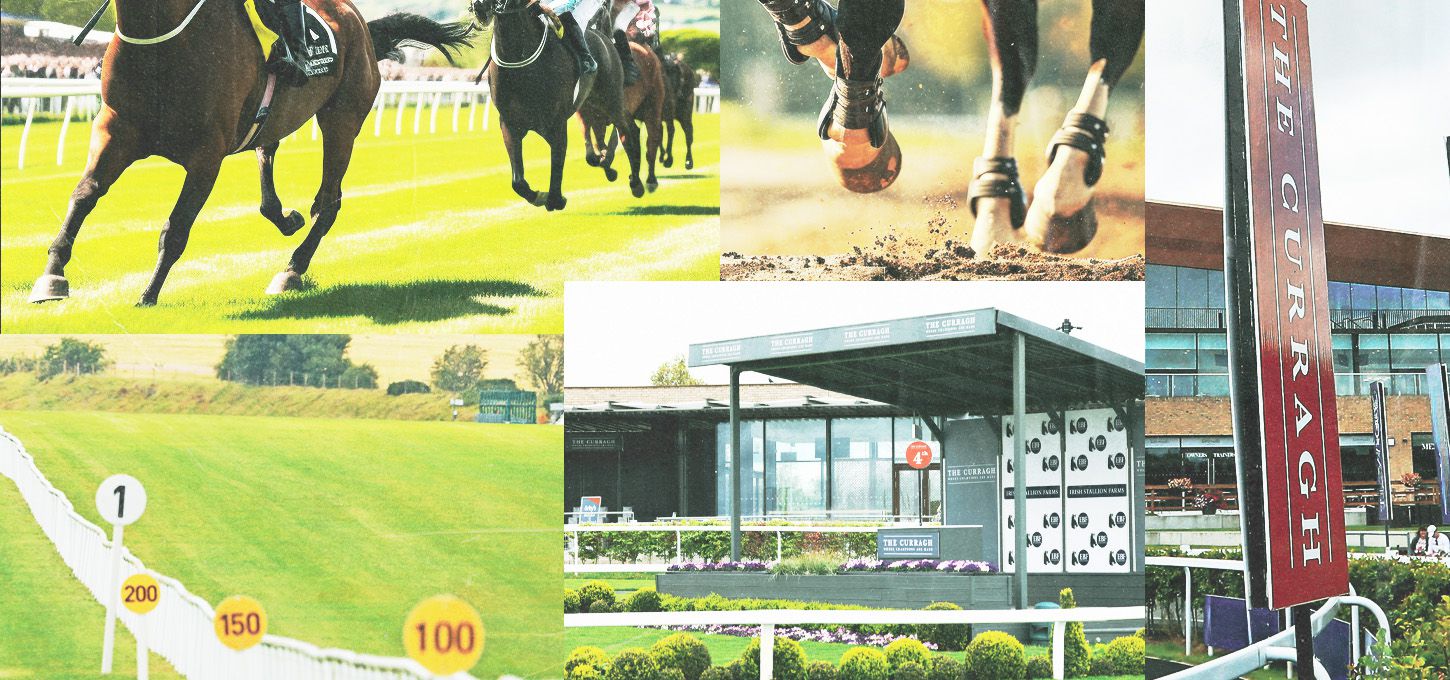
The Curragh is the home of Ireland's Classics, including the Derby in June and is – naturally – a venue that stages only Flat racing.
The County Kildare course is located in an equine hotbed, with top yards, studs and equine facilities all nearby, including the Irish National Stud.
Curragh Racecourse Location
Where is Curragh?
The Curragh is located in the heart of Co Kildare, approximately 53km south-west of Dublin, with Newbridge the nearest town to the racecourse.
How to get Curragh Racecourse
By Train
Mainline trains service Kildare and Newbridge Train Stations with an onward bus service to The Curragh. A complimentary bus is offered.
By Bus
Dublin Coach provides a service to the Curragh races on all race days from Dublin Airport via the Red Cow Luas with stops in Naas and Newbridge and from Westmoreland Street in Dublin City Centre via Kildare Village and from Limerick and Portlaoise.
By Car
From Dublin take Exit 9 off the M50 onto the N7 southbound. Take Exit 12 off the M7. Free parking at The Curragh is clearly signposted on arrival at the racecourse. Race day parking events staff will assist you on arrival. Accessible car parking spaces will be available at each meeting.
Curragh Racecourse Layout
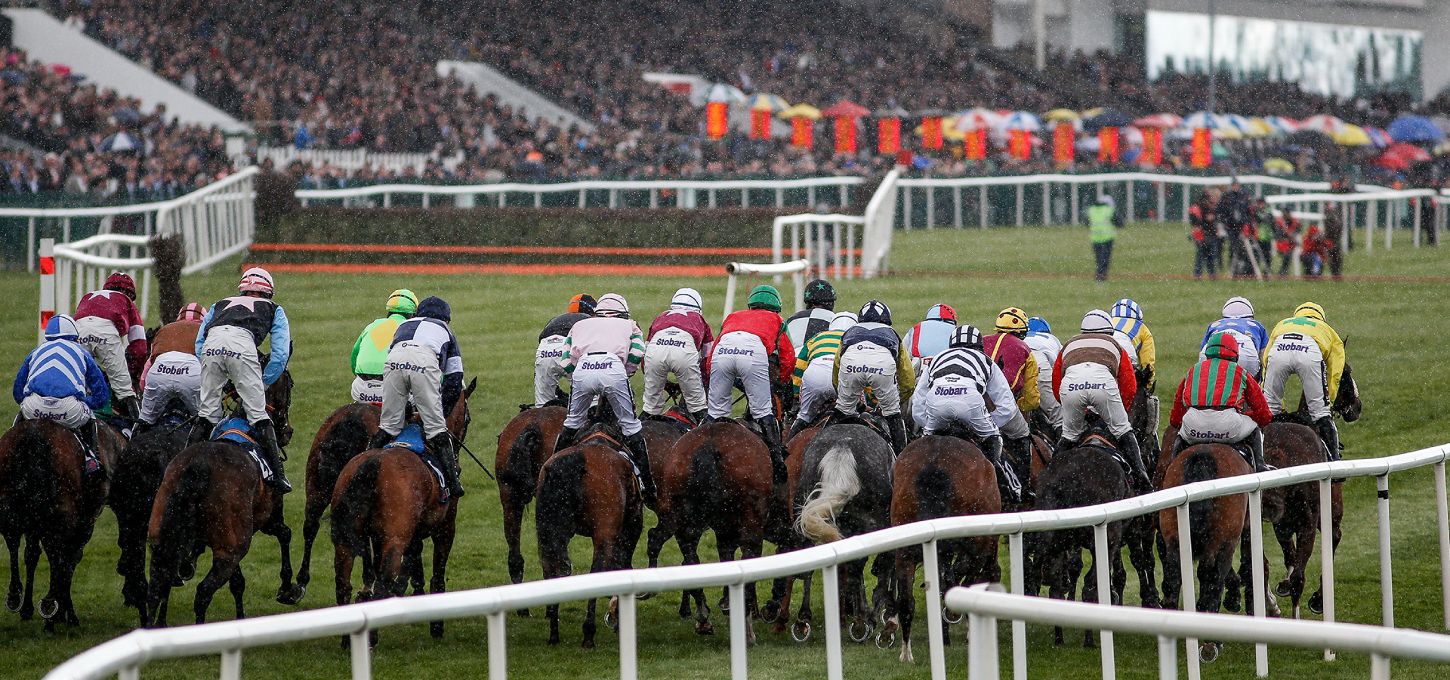
A horseshoe-shaped, right-handed course with no sharp bends over two-miles with a straight run-in of three furlongs slightly uphill – the Curragh is for many people the perfect racecourse.
On the sprint track, a high draw can be an advantage depending on where the field chooses to race, while over 7f/1m it is generally very fair.
The Derby course and distance features plenty turning throughout and, therefore, a low draw and rail position can be definite assets.
Enclosures and Viewing Areas
There are various hospitality options for racegoers at the Curragh, including:
- Unparalleled luxury in the St Leger Suite
- Boxes and Suites: Private boxes for 10-16 guests and luxurious suites for 18-60 guests
- Tattersalls Owners and Trainers Club
- Lilywhites Lounge with vibrant public bar
Facilities on offer to all racegoers include the Champions Hall, Atrium Café, the Guineas Bar, Derby Bar, the Oaks Bar and Restaurant, The Classics Suite.
Key Races at the Curragh
Racing at the Curragh typically takes place from the final weekend in March – the opening weekend of Flat turf racing in Britain and Ireland – through until late September, with usually something in the region of 23 meetings per year.
Early in the season there are plenty of Group races but things really go up a notch in May with the Irish Guineas weekend, staging the first two Classics of the season, as well as the Group 1 Tattersalls Gold Cup – a key contest for older performers.
After The Derby at Epsom in early June, the Irish equivalent comes along at the end of the same month. Some of the greats of the game have done the Epsom/Curragh double, including Auguste Rodin in 2023.
The Irish Oaks is the mid-July highlight, while the Group 1 Phoenix Stakes for two-year-olds takes place in early August.
Irish Champions Weekend comes up in early September, with the two-day meeting now shared between Leopardstown and the Curragh.
Day two, the Sunday, is at the Kildare venue and boasts the Vincent O'Brien National Stakes – the crowning of the leading juvenile – and the Irish St Leger, which is open to any horses aged three-and-older unlike the Doncaster version for 3YOs only.
Key races
- Irish 2,000 Guineas
- Irish 1,000 Guineas
- Tattersalls Gold Cup
- Irish Derby
- Railway Stakes
- Pretty Polly Stakes
- Irish Oaks
- Phoenix Stakes
- Moyglare Stud Stakes
- Vincent O'Brien National Stakes
- Irish St Leger
Curragh Racecourse History
The name "Curragh" comes aptly from the Irish language word Cuirreach, meaning "place of the running horse".
Redevelopment at The Curragh took place from 2017 to the start of the 2019 season, bringing the raceday facilities up to scratch.
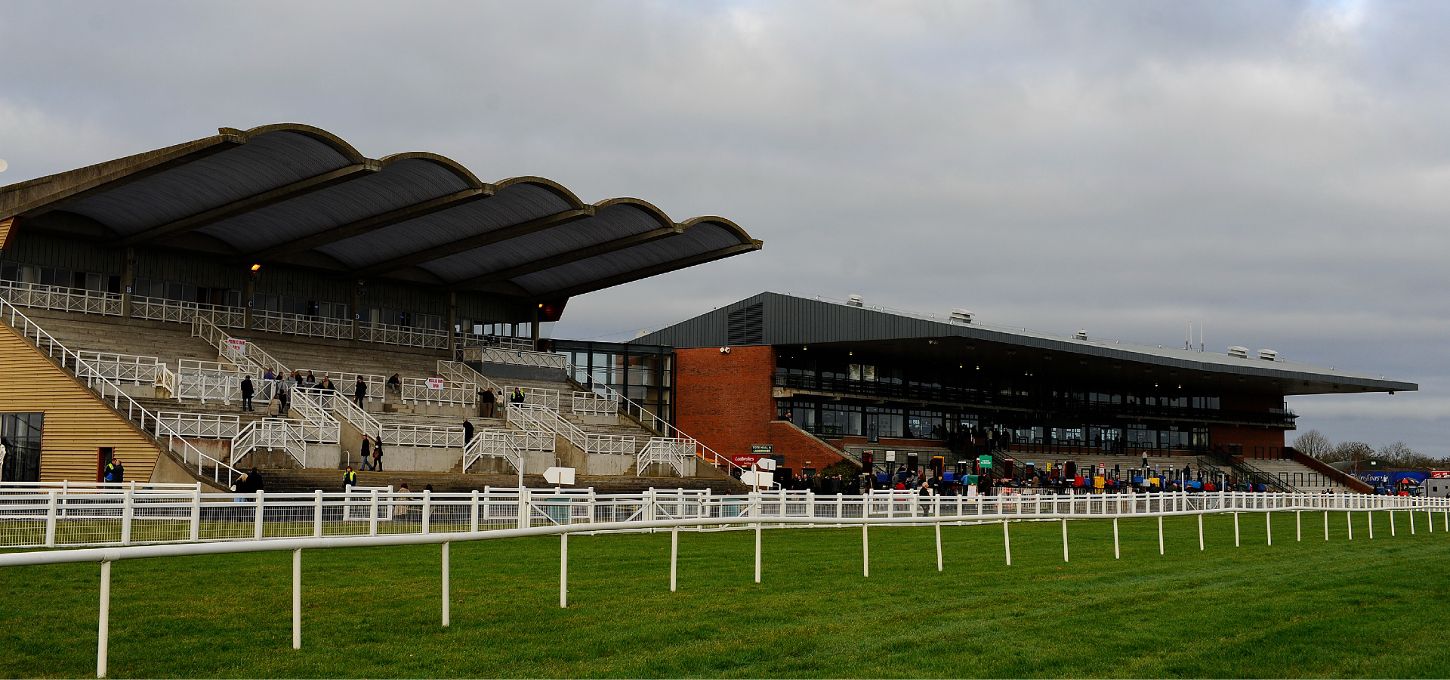
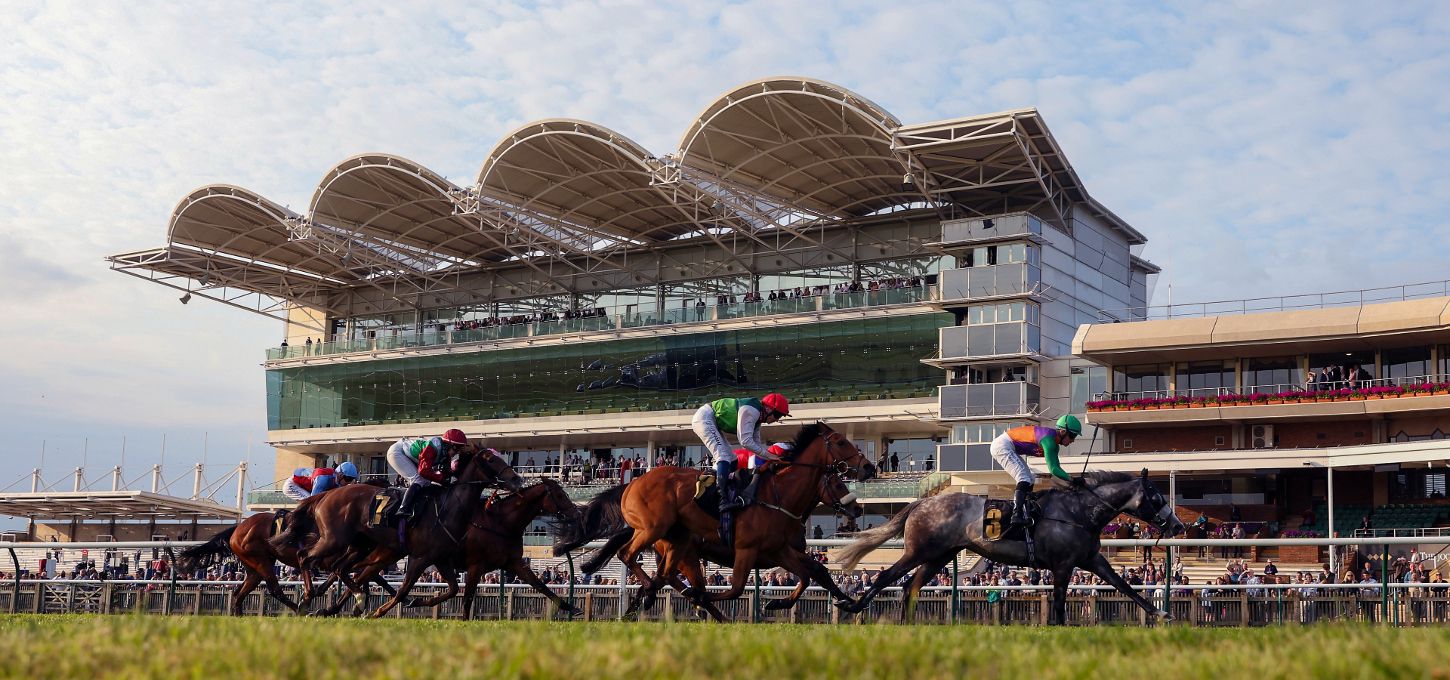
Celebrating the picturesque landscape of the Curragh, the Main Grandstand is comprised of three linear planes (10,500 square metres) that are respectful to the Curragh landscape whilst cutting a dramatic and elegant silhouette.
The Irish passion for horse racing is legendary and experiencing it at The Curragh is unforgettable. The vast open grassy plain of The Curragh is at the very centre of Ireland's thoroughbred horse industry and the racecourse.