The 1000 Guineas is a Group 1 flat race that has been run since 1814 and here is everything you need to know about one of Britain's five Classic races.
1000 Guineas date
The race is scheduled to take place at the start of May each year, and it always takes place the day after the 2000 Guineas, which is also held at Newmarket.
The 2026 edition of the 1000 Guineas took place on Sunday 3rd May, with a start time of 15:35 BST.
1000 Guineas venue
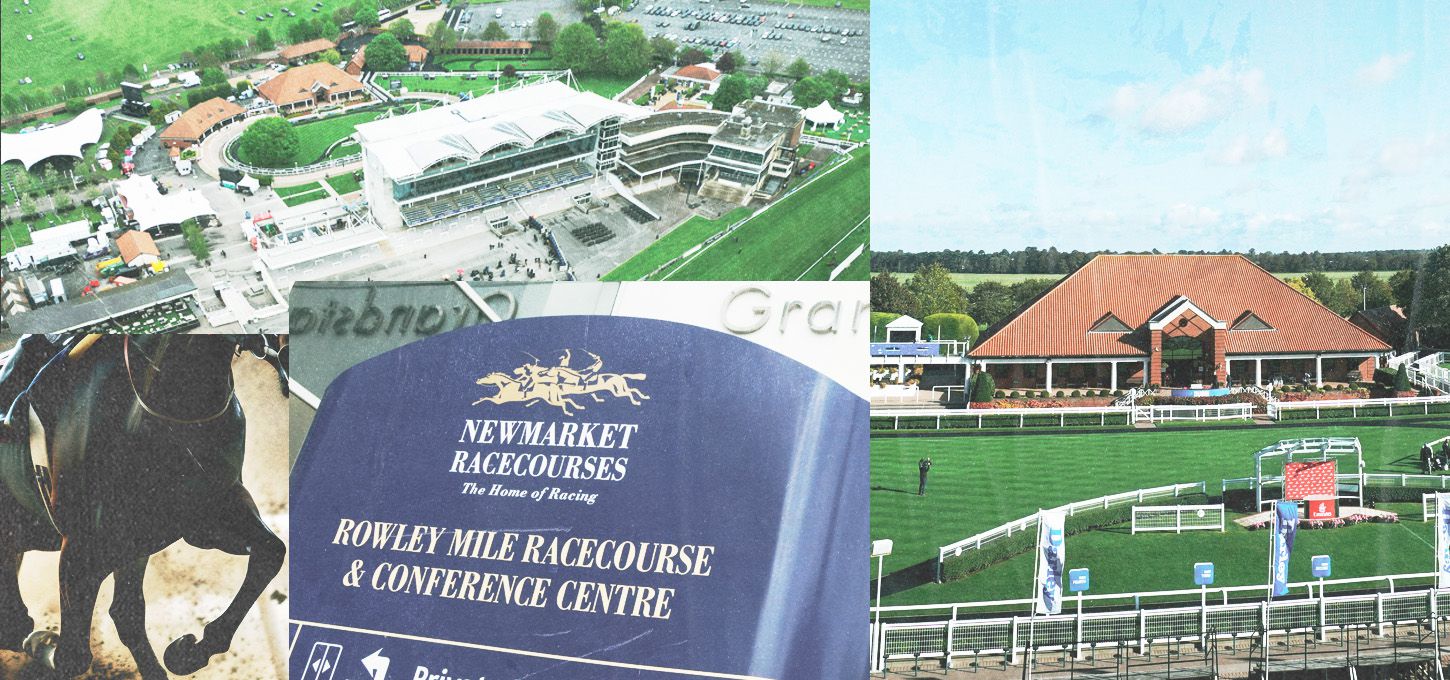
Newmarket, often referred to as the headquarters of British horseracing, is the venue for the 1000 Guineas.
The Suffolk venue has two individual racecourses - the Rowley Mile, over which the 1000 Guineas is run - and the July Course.
1000 Guineas details
Taking place on the Rowley Mile at Newmarket, the 1000 Guineas is a Group 1 flat race contested over 1m, and it is the second of Britain's five Classic races, coming a day after the 2000 Guineas.
Only three-year-old fillies are allowed to run in the 1000 Guineas, making it the first of two Classic races to be restricted to fillies - The Oaks being the other - and only a maximum of 30 runners compete in the race.
1000 Guineas history
The 1000 Guineas was first run in April 1814, five years after the first-ever 2000 Guineas.
Both races were named according to their original prize funds, with a guinea amounting to £1.05 at the time of the early races.
It became one of the five leading events in British horse racing by the 1860s, and it remains one of the "Classics" to this day. The British Classics are five Group 1 races, with both Guineas races named in the list alongside The Oaks, The Derby and St Leger Stakes.
The 1000 Guineas can act as a trial for the Oaks, and the last horse to win both was Aidan O'Brien's Love in 2020.
1000 Guineas most successful trainer
Robert Robson, known as the Emperor of Trainers, is the most successful trainer in this race with no less than nine wins. The first of those came in 1818, the fifth edition of the race, with Corinne.
This was the start of six straight 1000 Guineas wins, while failure to pick up the victory in 1824 was the only time Robson didn't train the winner from 1818 to 1827.
Robson's record is being chased down by Aidan O'Brien, who tasted success for the eighth time when Wayne Lordan steered True Love to a brilliant victory in 2026.
1000 Guineas most successful jockey
George Fordham heads the jockey charts with seven victories in the 1000 Guineas to his name, starting with Mayonaise back in 1859 for trainer Tom Taylor.
The Englishman also picked up victories aboard Nemesis (1861), Siberia (1865), Formosa (1868), Scottish Queen (1869), Thebais (1881) and Hauteur (1883), adding to his stellar CV that also included three 2000 Guineas wins and five Ascot Gold Cups.
1000 Guineas famous winners
Billesdon Brook went off at 66/1 back in 2018 and produced a sublime performance under pilot Sean Levey to win by nearly three lengths from Karl Burke's Laurens in second.
It was a sensational victory for the Richard Hannon-trained charge and that price remains the biggest SP to have taken the spoils.
Richard Hills' Ghanaati won the race in 2009 and still holds the record for the fastest-ever time, winning in 1m 34 22s.
Godophin-owned Desert Flower won the race in 2025 and was part of an incredible weekend for the owners.
The Royal Blue outfit won the 1000 & 2000 Guineas as well as the Kentucky Derby and Kentucky Oaks, all taking place across two days.