
Modern, imposing and steeped in history, the Puskás Aréna has quickly established itself as one of Europe's most prestigious stadiums.
In 2026, the Puskás Aréna will host the UEFA Champions League final between Paris Saint-Germain and Arsenal, bringing Europe's premier club competition to the heart of Budapest.
This modern and impressive venue, built in the spirit of Hungarian sporting tradition, is now one of the most advanced stadiums on the continent and an architectural landmark in the Hungarian capital.
Located in the Zugló district, the stadium was inaugurated on November 15, 2019, on the site of the historic Ferenc Puskás Stadium, which was demolished in 2017.
The new facility maintains a strong connection to its past, starting with its name, dedicated to Ferenc Puskás, a global football legend and an iconic figure in the nation's sporting history.
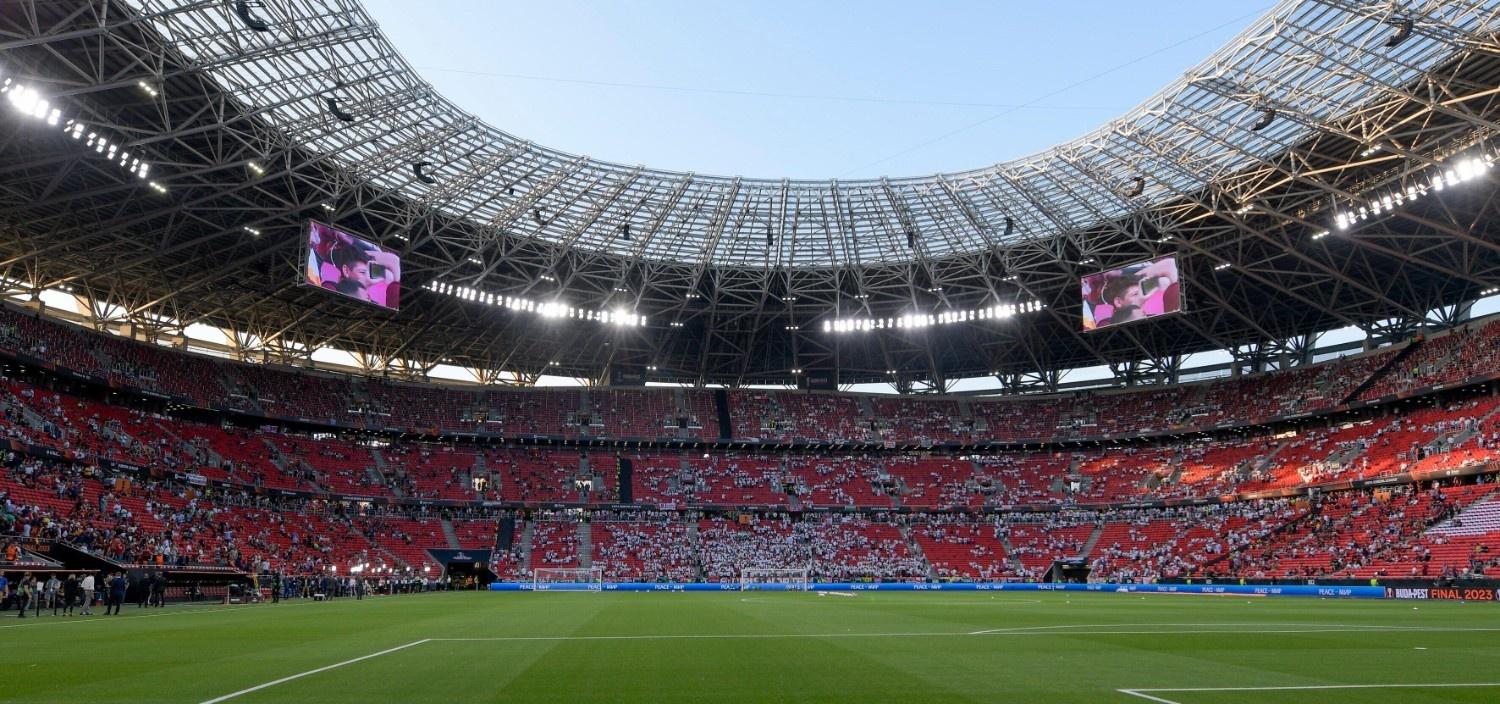
Key Features of Puskás Aréna
The Puskás Aréna has a seating capacity of 67,889 and is classified as a UEFA Category 4 stadium - the highest rating awarded by the European governing body.
This designation allows it to host major continental finals, such as the UEFA Champions League, as well as international matches and other large-scale sporting events.
The stadium serves as the official home of the Hungarian national team and has also become a multi-purpose venue for concerts, conferences, and major international events.
The entire structure is designed to modern standards, featuring fully cashless services and areas engineered for optimal comfort and visibility.
An Ambitious Project
Construction began in 2017 under the direction of architect György Skardelli, who also designed the nearby Budapest Sports Arena.
The initial plan involved a partial preservation of the old structure, but the decision was later made to completely rebuild it.
During construction, the budget increased significantly from original estimates, making the Puskás Aréna one of the most expensive and ambitious sports projects ever undertaken in Hungary.
Despite some controversy over the costs, the final result has been widely praised for its modern design and the quality of the spectator experience.
Major International Events at Puskás Aréna
Since its inauguration, the Puskás Aréna has played a central role in the European football landscape.
During UEFA Euro 2020, it was the only stadium in the tournament to operate at 100% capacity, hosting Group F matches involving Hungary, Portugal, and France. In 2020, the venue also hosted the UEFA Super Cup final between Bayern Munich and Sevilla.
Three years later, it was the stage for the Europa League final, which once again featured Sevilla, this time against a Roma side then managed by José Mourinho.
That match ended with a victory for the Spanish club on penalties in front of more than 61,000 spectators.
The Hungarian national team has also enjoyed some of its most memorable nights here, including a Nations League victory over England in 2022 and draws against France and Germany.
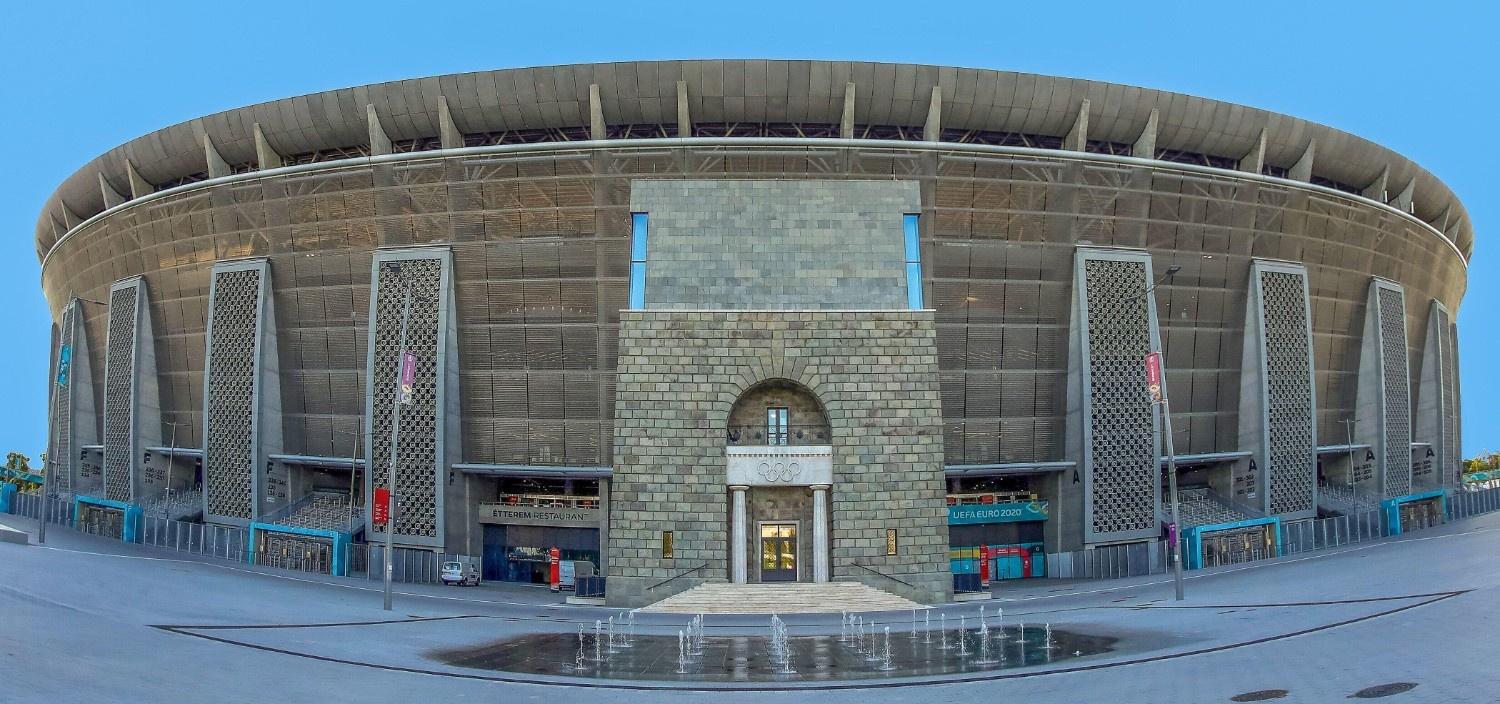
Architecture: Bridging Past and Future
Architecturally, the Puskás Aréna combines contemporary elements with historical references.
The exterior facade echoes some of the lines of the old national stadium, while the interior is dominated by steel, open spaces, and solutions designed to enhance the fan experience.
The venue was conceived not only for football but also to host major concerts and international events, aligning it with other modern stadiums and cementing Budapest's role as a sporting and cultural hub in Central Europe.
The 2026 UEFA Champions League Final
UEFA's decision to award the 2026 UEFA Champions League final to Budapest marks the ultimate recognition for the Puskás Aréna.
For Hungary, it will be one of the most significant sporting events ever held in the country. For the stadium, it signifies a permanent place among Europe's elite arenas.