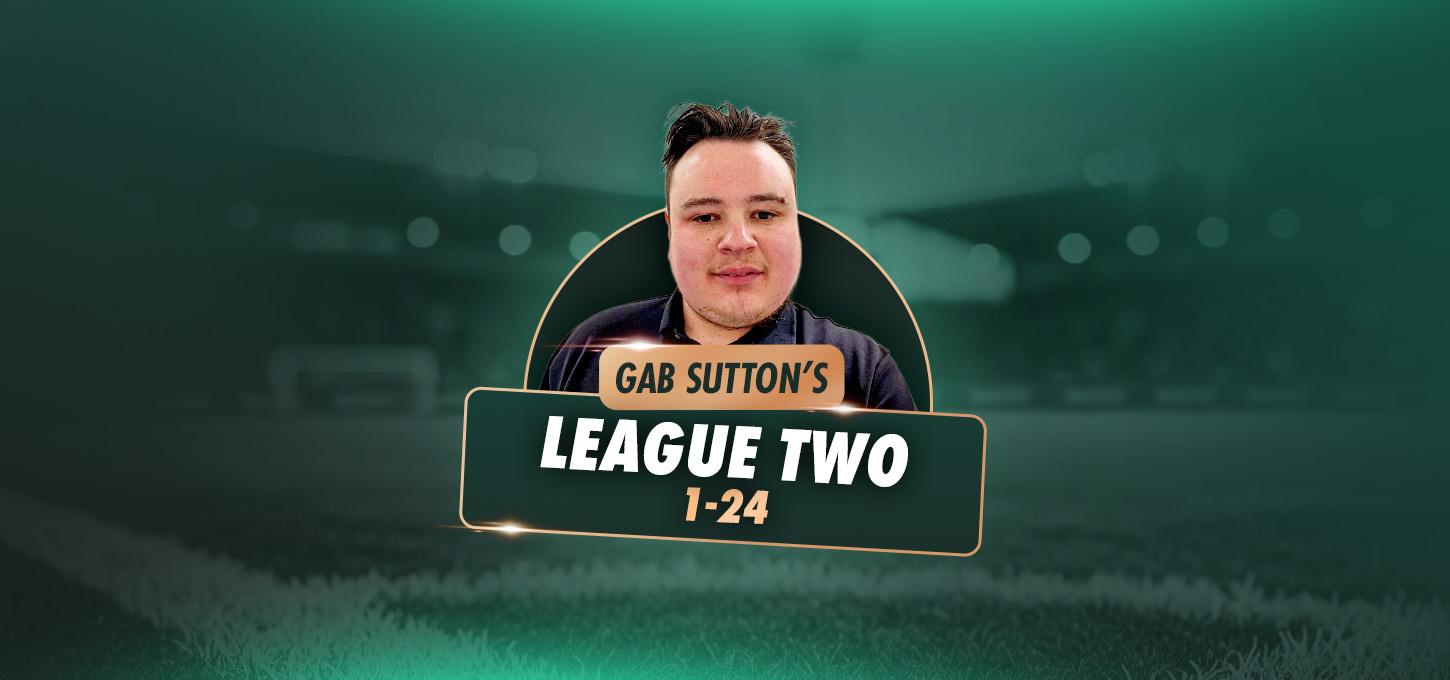
EFL journalist and pundit Gab Sutton has provided his 1-24 predictions for the 2026/27 League One season.
It's set to be a fascinating campaign in League One with several big clubs vying for automatic promotion. Leicester City and Sheffield Wednesday will be hoping their return to the third tier is only a brief affair, while Bromley will be hoping to ruffle a few feathers on their debut in the division.
Gab Sutton has analysed each and every team in League One and delivered his hotly anticipated 1-24 predictions - which includes an eye-catching relegation shout!

1. Luton Town
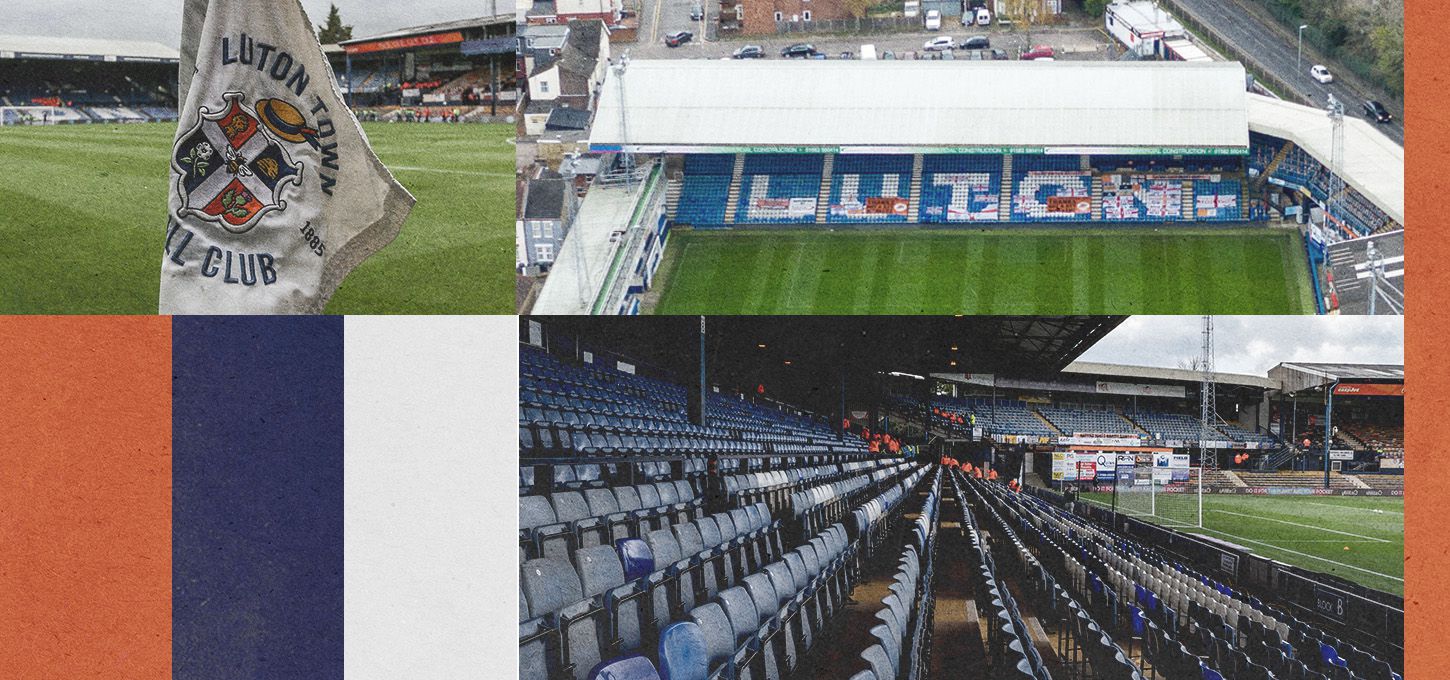
When Luton Town fans were celebrating promotion to the Premier League at Wembley in May 2023, it would have been hard for them to imagine a worse subsequent three-year period than the one they had.
They were lauded, back then, for the transparent ownership and smart recruitment that made them one of English football’s model clubs, but those who were doffing their cap to the Hatters back then have since kept it PVA glued to their scalp.
The Bedfordshire outfit were semi-competitive in the Premier League, going down with a degree of respectability, before suffering a shock double-relegation, from the Championship in 2024-25 and then, still with top flight parachute payments, missing out on League One’s top six last season.
CEO Gary Sweet would argue that prioritisation of the Power Court stadium project was both strategically correct, and a valid mitigating factor behind the underperformance, although he also got overly involved in the recruitment process when DoF Mick Harford stepped back.
Lessons may have been learnt, however. The club have poached William Lancefield from Hearts, after the Head of Recruitment contributed to the construction of a group that came as close as anyone to disrupting Old Firm dominance in Scotland since Sir Alex Ferguson’s Aberdeen in 1984-85.
Lancefield can focus on quality over quantity, too, because there are positives from rookie Jack Wilshere’s tenure to date, since the former Arsenal midfielder replaced Matt Bloomfield as head coach at Kenilworth Road in October.
It took a few months, but Town got that winning feeling back, with their EFL Trophy success in March catalysing a closing return of a whopping 26 points from their final 10 games, which saw them only miss out on the Play-Offs by a point in the end.
Dominant defender Hakeem Odoffin and expressive playmaker Kasey Palmer came into the team in January, and made enormous differences to their respective units, with the latter making his loan a permanent this summer.
In those two, plus talented goalkeeper Josh Keeley, forward-thinking midfielder Jordan Clark, conductor Liam Walsh, creative prospect Jake Richards and winger Shayden Morris, the Hatters have a group of players with whom to move forward.
They do, however, need a ruthless centre-forward to put away the chances they spurned last season, and are hoping Northern Ireland international Callum Marshall can bring his senior club career to life.
Alongside wide forward Gideon Kodua, Marshall won the FA Youth Cup with West Ham, in 2023, then scored a whopping 16 goals in 12 appearances in the first half of the following season in the PL2.
With some experience on loan under his belt, and a plethora of creativity around him, Marshall could be set to establish himself as a prolific finisher.
If so, that hat-adhesive could wear off…
2. Plymouth Argyle
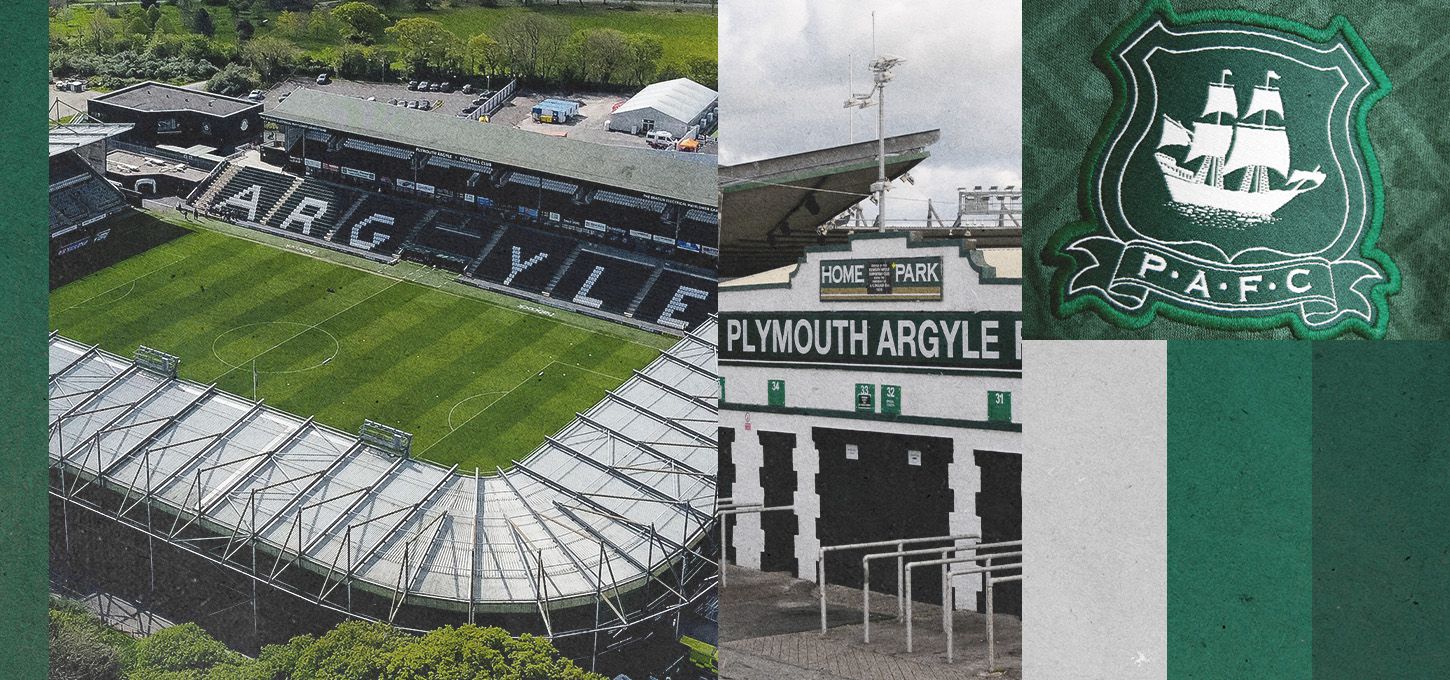
Patience is the order of the day at Home Park.
After storming to the League One title with 102 points in 2022-23, Plymouth Argyle had endured a challenging two years in the Championship due to a combination of the financial disparity, Steven Schumacher’s exit, and poor decision-making, including replacements for the Liverpudlian.
Losses, along the way, of key men like Michael Cooper and Morgan Whittaker for a fraction of their true value, means that they haven’t got what they might have done out of their second-tier journey, and that the Green Army are asking big questions of owner Simon Hallett.
Many chairmen in that position, with their team bottom of League One in November with 13 points from their first 15 games, would have sacked their rookie head coach to alleviate some of the pressure.
It’s testament to Hallett’s character that, instead of taking the easy option, the club chose to stand by Tom Cleverley, and aid him with a more experienced support network.
Cleverley might well have found the solutions on his own, being one of the hardest working managers the Argyle hierarchy have ever dealt with, but it’s hard not to trace the upturn back to former manager Derek Adams’ return to the club in a Director of Football capacity.
From 11th November, Argyle won 18 of the next 31 games, taking more points, 60, than anyone else bar the top two, with a switch to a solid 4-4-2 proving the key: extrapolate that form over a full campaign, and promotion awaits.
It’s not quite as simple as that, of course, with top goalscorer Lorent Tolaj now at Bristol City, and second-top goalscorer, Aribim Pepple, linked with Sheffield United.
Tolaj, however, has earned the club around £4M, which does a lot for the financial dilemmas that CEO Paul Berne outlined with great transparency at a recent fans forum, and Pepple would command at least that, given that we’re into August.
Plus, the club have livewire Owen Oseni, who could easily have started more games last season if it weren’t for the duo’s form, and could be ready for that step up, with another forward addition to follow.
The club have been more proactive in others, retaining popular defenders in battler Alex Mitchell and utility man Wes Harding, and poaching creative midfielder Harvey White from Stevenage.
A dependable core remains, meanwhile, in aerial defender Mathias Ross, agile full-back Matthew Sorinola, tenacious midfielders Malachi Boateng and Brendan Wiredu, plus exciting winger Ronan Curtis.
Elsewhere, Xavier Amaechi was a Team of the Tournament inductee at the European Under-17 Championships of 2018, and the 25-year-old is hoping to show more of his capabilities by putting an injury-plagued season behind him.
That’s also true of Bradley Ibrahim, who showed when fit last season that he can be very difficult to stop with his elusive dribbling ability.
Likewise, driven left-back Jack Mackenzie, who had been called up to the Scotland squad prior to his lay-off, and since then he’s had to be patient.
He and Argyle, though, could be about to prove that patience is a virtue…
3. Leicester City
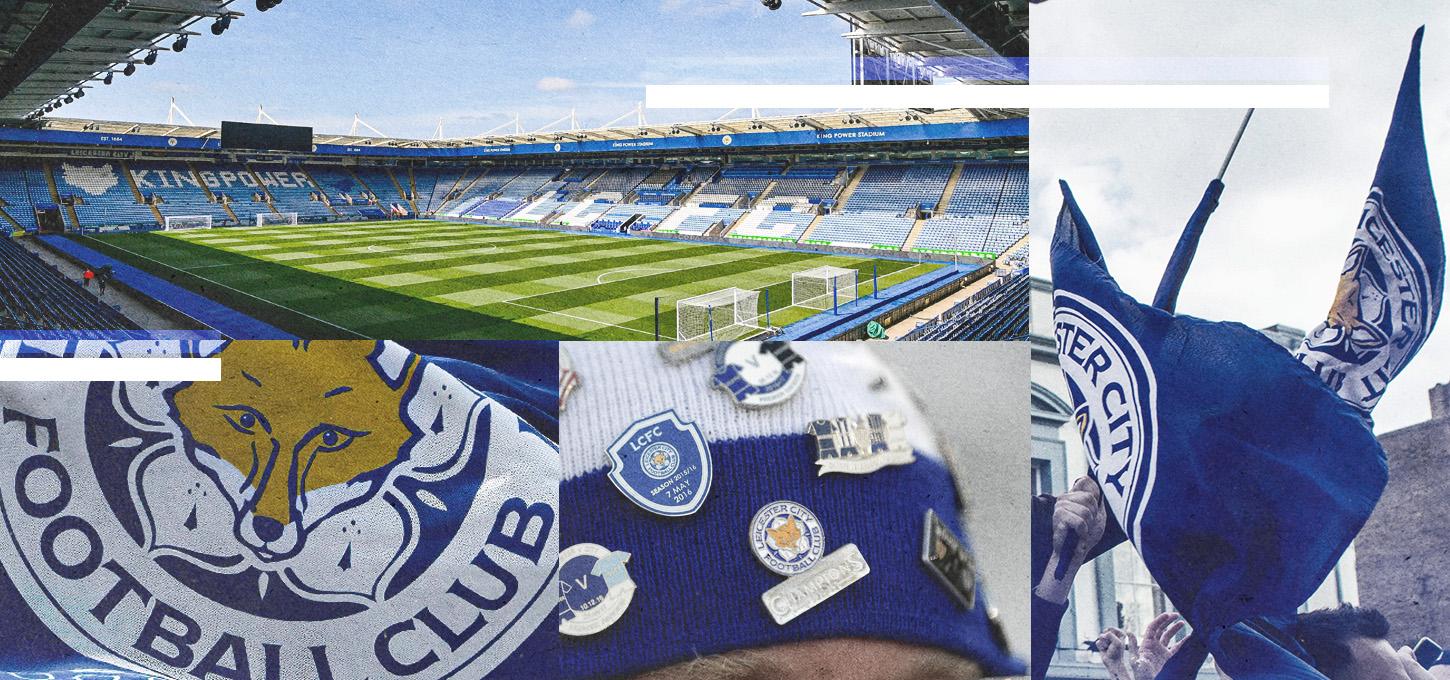
A decade on from one of the greatest achievements in sporting history, and half of one on from winning the FA Cup, three relegations in five seasons lands Leicester back in League One.
It’s been a dramatic 17 years since the goals of Matty Fryatt fired Nigel Pearson’s side up as champions at this level in 2008-09, but they’re hoping for the same outcome.
On the one hand, you could make a great argument for the Foxes to do so, and if we focus specifically on best-case scenarios across the division, they’re the likeliest team to dominate it with a three-figure points total.
They still have Premier League parachute payments, and a group of players who should be streets above the level:
Caleb Okoli made Italy’s senior squad as recently as 2024, Stephy Mavididi has featured for Juventus, Oli Skipp was a £20m acquisition, Wout Faes played for Belgium last year, and Bobby Reid has played 151 Premier League games.
They’ve added to that, too, with the exceptional talents of two England youth internationals on loan.
Exciting wide man Tommy Watson, who scored the stunning winning goal of the 2025 Championship Play-Off Final for Sunderland, joins from Brighton, and aggressive left-back Christian McFarlane arrives from Manchester City.
The profiles, at this level, are almost unprecedented.
The problem, however, is that football isn’t decided by players turning up on a Saturday to compare their Wikipedia pages: Leicester know that better than anyone.
These are human beings, whose performances can fluctuate drastically, depending on lots of different variables, including cultural fit – and culture is a major question mark right now.
They have a Director of Football in Jon Rudkin who, though not through ill intent, can be flaky and avoidant in internal dealings, which not only has implications on how smoothly the club functions, but also sets a precedent.
If the most senior people at a football club don’t embody certain values, it lowers the bar for everyone else, and that’s filtered onto the pitch in recent years.
Bringing in James McCarron as Technical Director looks a positive step, but question marks remain: the tail has wagged the dog for too long, and it’s hard to say with confidence that head coach Russell Martin will bring solutions to deep-rooted cultural problems.
Martin can be an excellent in-possession coach, as he demonstrated at MK Dons, Swansea and Southampton in the Championship – but his Premier League stint with the Saints, and his ill-fated spell at Rangers, causes concern around other facets.
The 40-year-old seems to like close relationships with senior players, which can have the advantage of breeding loyalty, but the disadvantage of compromising that ruthless edge when players don’t do the basics.
Similarly, Martin seems to watch games in accordance with whether the team’s carrying out his style, which can be great for continuity and having a clear identity, but sometimes comes at the expense of whether they’re actually doing everything that’s required to win.
As such, his teams can play great football and create a plethora of chances in a game, but because they don’t operate with a water-tight plan for what to do when they don’t have the ball, they can be easier than is optimal for opponents to conjure gaping counter-attacking opportunities with steals and simple balls over the top.
Assistant Conor Hourihane might be able to mitigate some of that on the technical side, through his out-of-possession work, but the head coach is still the figurehead.
As such, when that figurehead is perceived, accurately or otherwise, to be a fraction lax and lenient on defensive detail, it can sometimes incrementally erode standards in areas that lie outside the primary stylistic focus.
So, Leicester’s opponents will likely have around three clear cut chances a game, so they’ll need to have a star goalkeeper who can typically save two of them – but that’s arguably their weakest area.
Jakub Stolarczyk may struggle with the style, Fran Vietes didn’t play a single minute last season, while Alex McCarthy, who joins the goalkeeping unit, looks likelier to pad it than push it.
It seems highly plausible, then, that the Foxes will ship more than 50 goals this season, and no team has done that and still achieved automatic promotion since Eddie Howe’s Bournemouth in 2012-13.
More positively, Leicester have an astonishing academy that could be utilised better at the lower level.
To that end, the emergence of attacking right-back Jayden Joseph, energetic full-back Bade Aluko, box-to-box midfielder Louis Page, playmaker Sammy Braybrooke and creative maestro Will Alves is a major cause for optimism.
The potential ceiling is sky-high – but a lack of defensive focus could hold them back.
4. Huddersfield Town
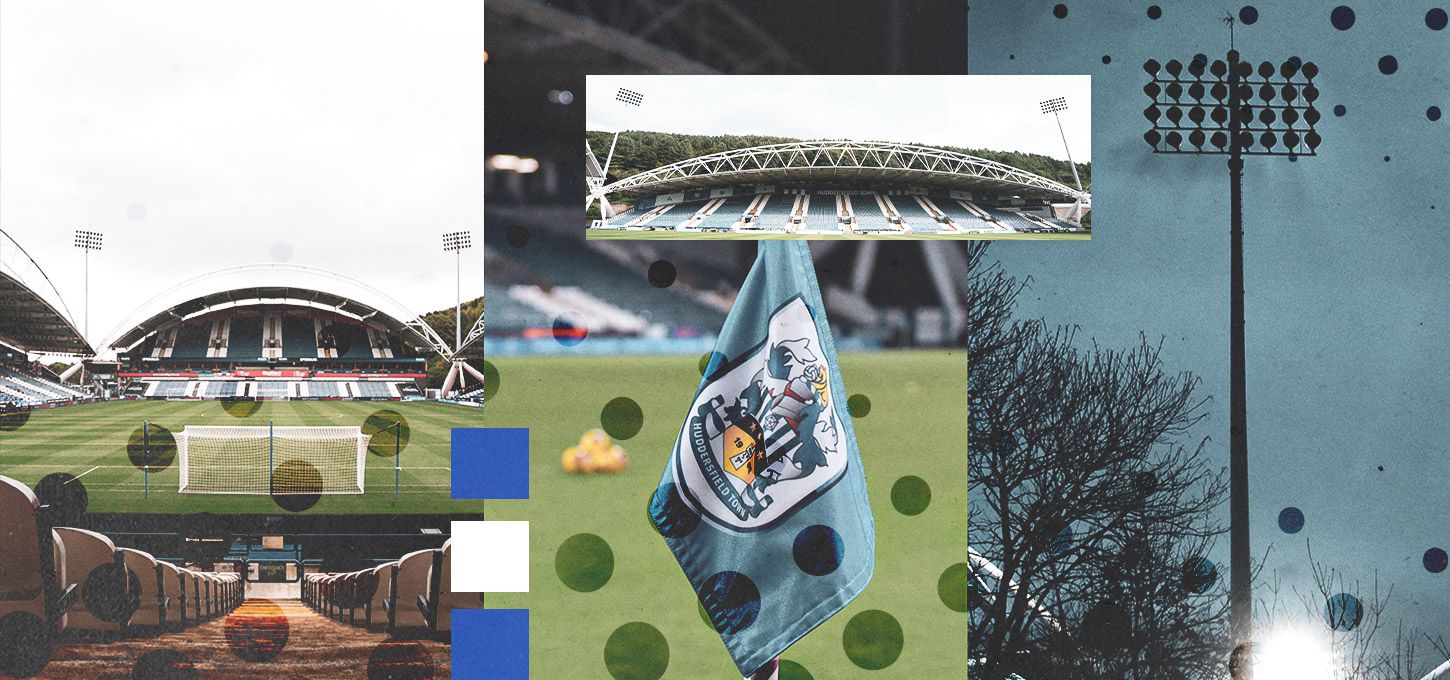
Since relegation from the Championship in 2024, Huddersfield’s League One underperformance thus far has been characterised by an inability to ally good management with a quality squad.
In 2024-25, they had a top manager for the level in Michael Duff but a squad that couldn’t deliver the club’s ambitions.
Whereas, an extravagant summer rebuild meant the playing personnel was a lot stronger in 2025-26, but those improvements came under Lee Grant and Liam Manning who, for different reasons, didn’t quite offer the full package in the dugout.
Now, after a stable summer ensured the Terriers retain comfortably a top six squad on paper, their 2026-27 fortunes will be determined by whether the club’s faith in Martin Drury and Jonathan Stead is well-placed.
From a coaching perspective, both come with rave reviews, but being Town head coach is about more than merely running a good training session.
Yes, Drury will be helped by a capable sporting director in Chris Markham, and an outspoken assistant in Stead who may take on the leadership baton at times – with both being Terriers fans with great devotion to the club.
Nonetheless, the number one will have to handle all the political pressures and challenges that come with it, and his media interviews imply a degree of reluctance in certain areas.
So, will Drury’s pure coaching quality deliver early results, rendering everything else merely a dull formality? Or, could a slow start see the politics of the job get the better of him?
Either is possible, but the rookie will be hoping he can lean on the individual quality of the squad to get him through the early months, while he settles into the job.
Huddersfield boast top-end League One players in defenders Whatmough, Low and Wallace, midfielder Ryan Ledson, flying wing-back Lasse Sorensen and speedy poacher Joe Taylor.
What’s less clear is how those players amalgamate.
In defence, Low and Wallace tend to drop very deep which can compromise pressing, while Radinio Balker has been a fitness doubt in recent years, and Sean Roughan is yet to fully live up to his Lincoln billing.
In midfield, Ledson is very well-rounded - but would technicians like a Marcus McGuane or an Ethan Brierley need more of a niche midfield partner, an athletic aggressive profile?
David Kasumu of four years ago would have been perfect for that yet, with injuries, his stock isn’t quite where it used to be.
In attack, who’s going to be the selfless foil for Taylor? When he scored his goals at Colchester, he had Samson Tovide creating space for him. When he scored them at Lincoln, he had Ben House playing hold-up merchant and slipping him through. At Wigan, he had Dara Costelloe or Christian Saydee alongside him.
Huddersfield may feel Ashley Fletcher can play that supporting role, for which he has some of the attributes required, but whether he can press effectively is yet another question.
Whereas, fellow striker Bojan Radulović has the finishing ability to hit 30 goals this season, if he stays fit, but is more likely to get in Taylor’s way than he is to facilitate.
So, with all-action right-back Ilias Bronkhorst and goalscoring wide forward Derensili Sanches Fernandes bringing a sprinkling of Dutch flair from Excelsior, Huddersfield are something of an expensive jigsaw.
They have some aesthetically pleasing pieces, that could offer sensational artistry, but it’ll be a challenge to work out how they all connect together.
5. Stockport County
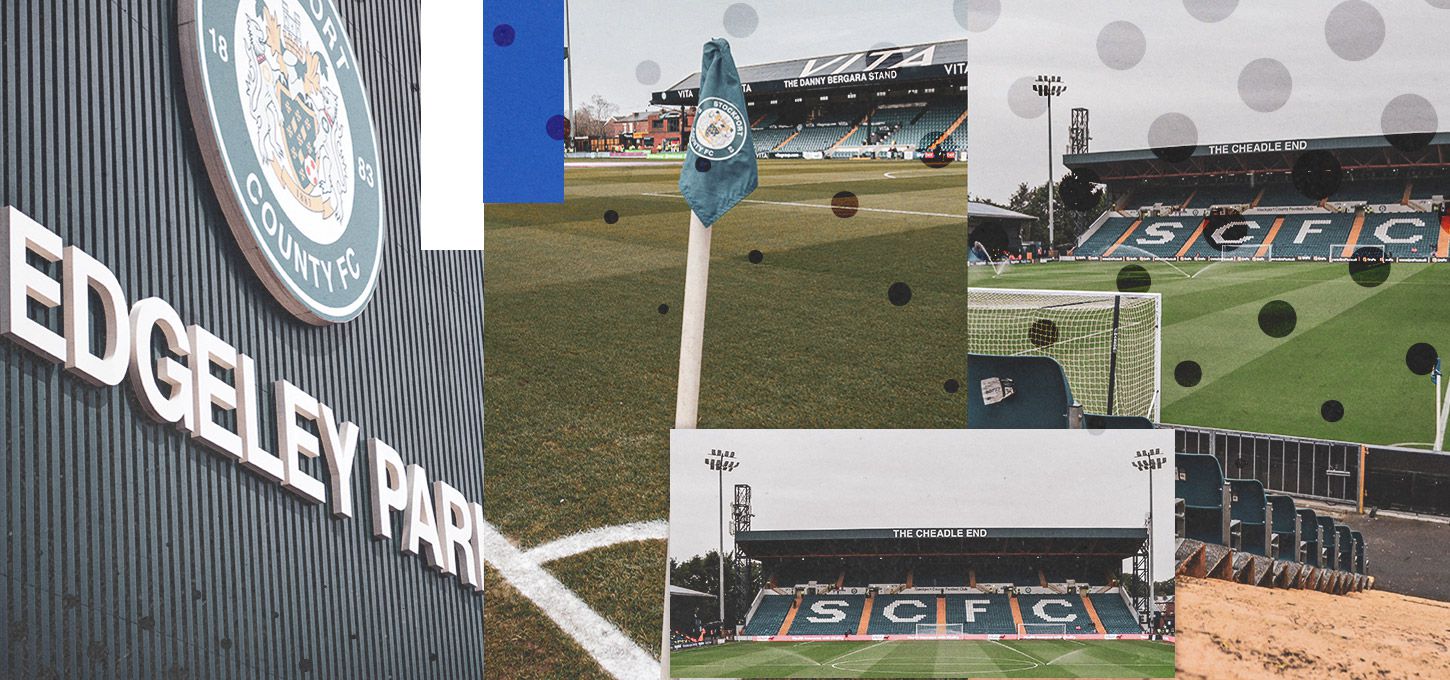
Stockport County made one of the bravest decisions in the Football League, this summer, in parting company with manager Dave Challinor.
The 50-year-old had enjoyed almost the perfect tenure at Edgeley Park, winning two titles in five seasons, and never finishing below the play-offs, a record he’s proudly carried throughout his career.
Challinor, though, was deemed culpable for the second half capitulation in the 4-1 Play-Off Final defeat to Bolton, with questionable substitutions, which catalysed the decision, but it’s a shame such a glorious reign ended on those terms.
The Liverpudlian, though, carried the impression, fairly or otherwise, of being quite individualistic in his decision-making, which may have contributed to the now-departed Simon Wilson moving from Director of Football to CEO last season, corresponding with a drop in the standard of recruitment.
Whereas, the subsequent appointments of former Damien Allen, as Sporting Director, after he’s rebuilt the academy over the last six years, and Rene Meulensteen as ‘Director of Football Methodology’, suggest the club want a more collaborative approach to its decision-making processes.
In that regard, Jim McNulty could be the better fit, as the former defender returns as head coach after winning promotion from the National League as a manager with Rochdale last season, amassing 106 points - and then still having to go up via the play-offs.
McNulty should bring some highly structured, regimented possession principles to County which, on the face of things, represents significant stylistic transition from the Challinor era, and that, in the early phase especially, doesn’t come without risk.
Crucially, however, the 41-year-old has been backed very early on to bring in players who suit his approach, including his former Dale contingent of goalkeeper Oli Whatmuff and right-sided defender Kyron Gordon, but also cultured centre-back Eoghan O’Connell from Barnsley and flair wide man Ryan Glover from Barnet.
Plus, the likes of left-sided defender Ethan Pye and deep-lying playmaker Oli Norwood might look even better in this system, because they have greater opportunities to demonstrate their ball-playing qualities.
With last season's brisker passing style, the ball might have gone over Norwood’s head a bit more, whereas this season, he’ll consistently set the tempo, enjoy short exchanges before playing the big switches and get attacks purring in a way that could feed beautifully into his skillset.
Meanwhile, the likes of former England Under-20s midfield talent Lewis Bate, now 23, former Man City EDS midfielder Lewis Fiorini, who has a stunning passing range when fit, could benefit from the shift.
Likewise, mercurial forward Mallik Mothersille, who was guilty of going missing in big games last season, but the club record signing is a lovely dribbler and a tidy finisher, who may benefit from more tailored service to feet.
So, while there might be fewer crosses and long balls for target man Kyle Wootton, the change could be a net positive for County, even if the initial adjustment isn’t easy.
After a suitably proactive summer of business, another play-off finish could be on the cards.
6. Bradford City
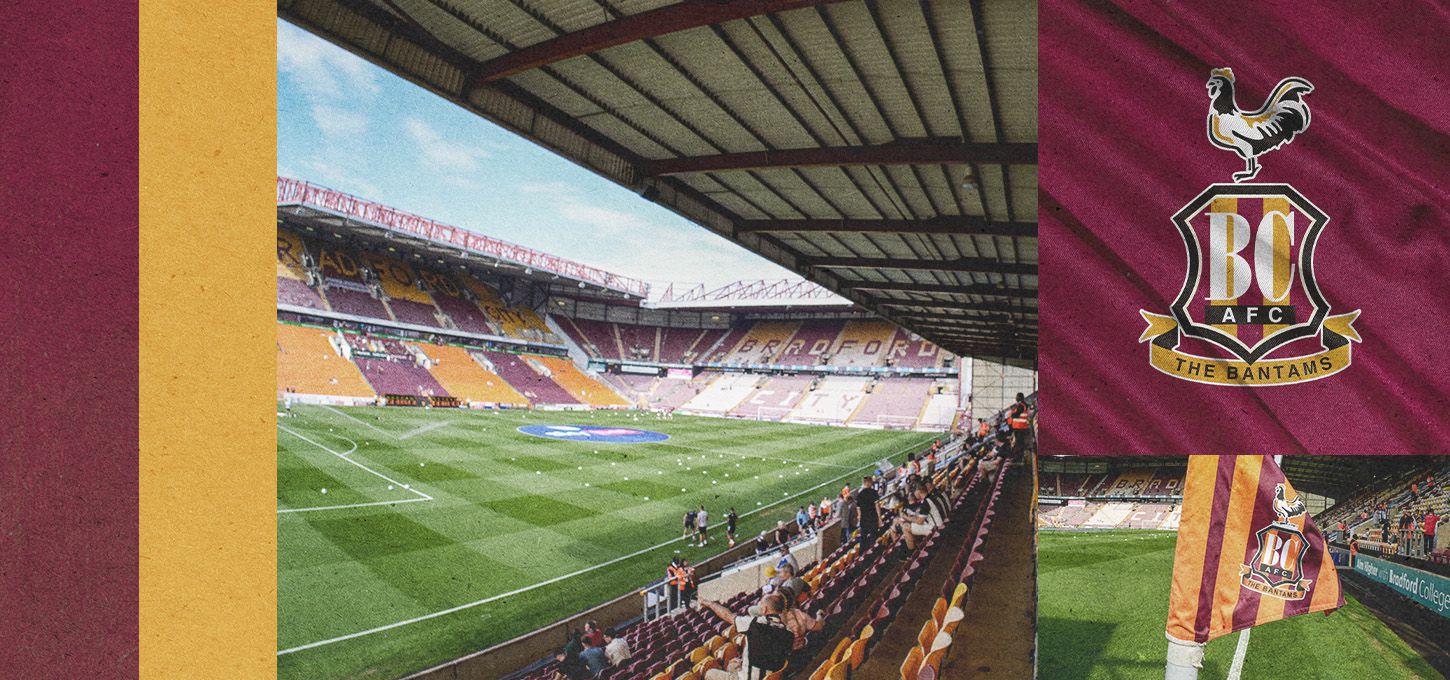
The biggest surprise about Bradford City’s meteoric two seasons is not that it’s happened, but that it’s happened without new ownership.
Relegation from this level in 2019, then four midtable finishes in five seasons, while owner Stefan Rupp remained out of the country and out of contact, suggested stagnation for City, and that only a takeover could shake them from their slumber.
Instead, it was two a mere appointments that did that: David Sharpe as Director of Football, and Graham Alexander as manager.
Sharpe’s footballing brain has significantly improved the recruitment process, allowing CEO Ryan Sparks to focus more on the commercial side of the business which is where his strengths lie.
Meanwhile, Alexander has brought back an identity to a football club that had been lost for years.
City are extremely hardworking, mirroring ‘Grezza’ from his playing days, and the 54-year-old won’t settle for anything other than full commitment: he’ll drag a player off at half-time in pursuit of those standards.
Adventurous defender Matt Pennington, his speedy alternative Aden Baldwin, flying wing-back Josh Neufville, athletic left-sided defender Ibou Touray, experienced midfielder Antoni Sarcevic, frenetic pressing talent Bobby Pointon and intelligent forward Will Swan all remain at Valley Parade, and they’ve also added new dimensions.
Last season, the West Yorkshire outfit reached the play-offs despite spending parts of it pumping long balls to an unsuited Kayden Jackson, whereas now they have a more natural spearhead in Jake Beesley, to whom the ball might stick.
Elsewhere, goalscoring midfielder Adam Phillips should bring some excellent link-up play with Neufville on the right hand side, having established a similar connection with Jordan Williams at Barnsley in 2022-23.
Midfield prospect Henry Cartwright brings bags of potential on a permanent deal from Leicester, after offering lots of energy and a stunning passing range in an impressive 2025-26 loan spell with Falkirk.
The 21-year-old looks a smart signing, in that he replaces the talent quota offered by Millwall-bound Jenson Metcalfe, but the positional profile of Wigan-bound Max Power.
Elsewhere, they’ve added in the goalkeeping department, where Jon McCracken has had to be patient in his career, but the 26-year-old was one of the top shot-stoppers in the Scottish Premiership last season with Dundee.
So, with Macauley Gillesphey set to bring impeccable consistency to the left of the back-three, Bradford have added what they need to, to replace key losses and improve the squad in other areas.
Successive top six finishes could be on the cards.
7. Sheffield Wednesday
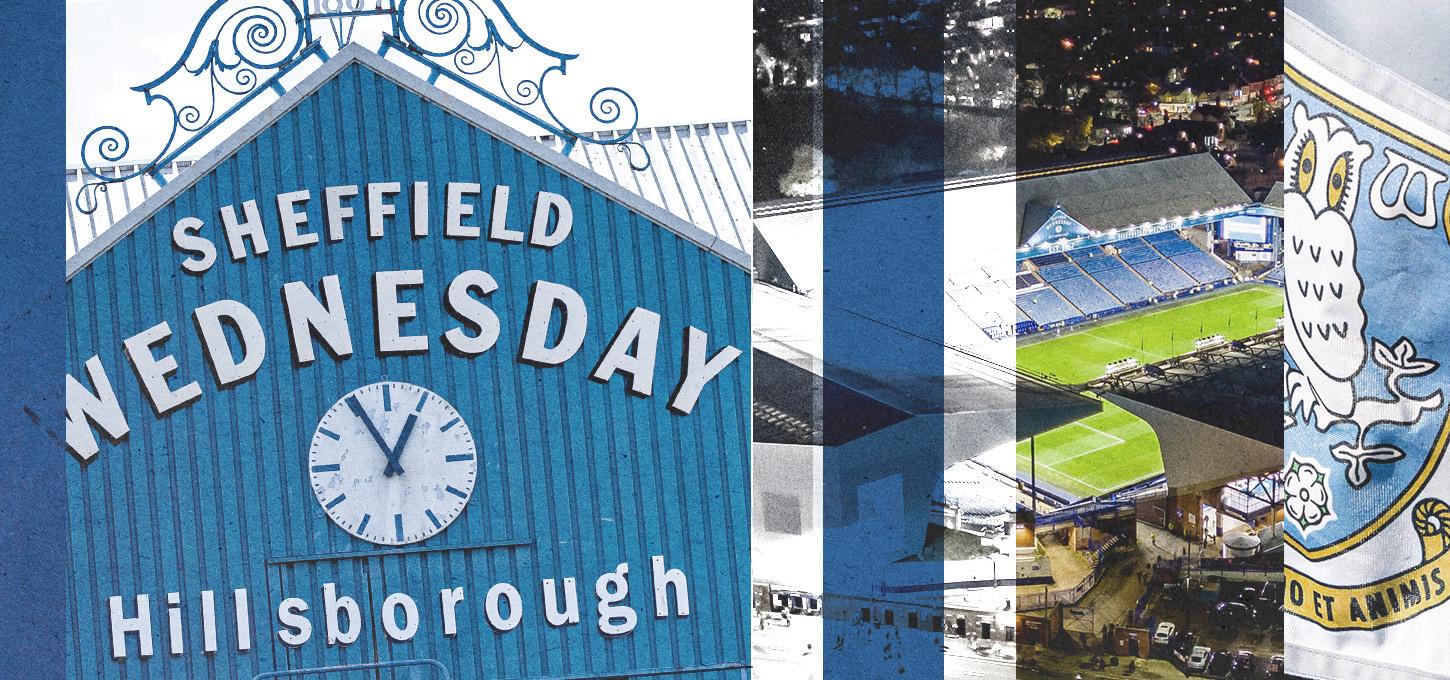
Henrik Pedersen couldn’t resist a semi-sheepish smile at Coventry last April.
In the aftermath of his long-relegated Sheffield Wednesday side’s shock 0-0 draw at the CBS, the Dane, encouraged by relentlessly vociferous support, half-reluctantly obliged: he did three fist-pumps to the travelling Wednesdayites, with a mixture of pride and ironic humour.
To an uneducated outsider, it’s celebrating a draw, or being 49 points adrift of safety, yet when you’re in Wednesday’s situation, it all made total sense.
Last season was doomed from the outset, from everything from points deductions, to no senior summer signings, to delayed wage payments, to issues in even the pure basics other clubs take for granted, like hot water going off – it really was one thing after another.
When you’ve lived that reality, it’s important to celebrate the small wins – but then came a big win.
The Arise takeover, led by David Storch, not only granted the club an end to Dejphon Chansiri’s ill-fated ownership regime this summer, but also on terms that see the fresh start reflected in this season’s league table, as the Owls begin on zero points.
So, with widespread changes off the field, including the appointments of David Bruce as CEO and Simon Wilson as Sporting Director, and widespread changes on them, the Steel City club are starting from scratch.
From last season’s side, they only have experienced left-back Max Lowe, talented centre-back Gabriel Otegbayo and persistent forward Jamal Lowe who are capable of starting for a top six team at this level right now - as much as homegrown defender Ernie Weaver showed plenty of promise before his lengthy lay-off.
Fan favourites Liam Palmer and Barry Bannan, with the latter predictably returning from Millwall, can make valuable contributions, meanwhile, but the veteran duo’s minutes may have to be managed more than was required when they were last at this level in 2022-23.
They may get around that with some strong signings, including attacking Burundi full-back Jordi Liongola, up-and-coming Dutch defender Sil Swinkels, Millwall’s midfield general Billy Mitchell, creative midfielder Callum Slattery, and prodigal forward Harry Gray, on loan from Leeds.
There is a feeling, however, that about eight of the current squad may not be good enough or ready for the demands, while another 11 will still be getting to know one another, and it could be difficult to find a cohesive synergy straight away.
Meanwhile, naturally, there’s always an air of expectancy that comes with Wednesday playing in English football’s third-tier, a level they’ve only played at in 11 of their 134 seasons since being elected into the Football League in 1892.
There will also be expectancy from the club’s internal perspective, after spending a lot of money on signings like enigmatic forward Louie Barry, who was reportedly on £35K a week at Aston Villa, and may not moved without an offer in that region.
It’s great that there is a bit of expectancy at Hillsborough, after what felt like a hopeless endeavour last season, but the club need to be careful to ensure they can walk before they try to run.
Promotion could be a two-year job.
8. Doncaster Rovers
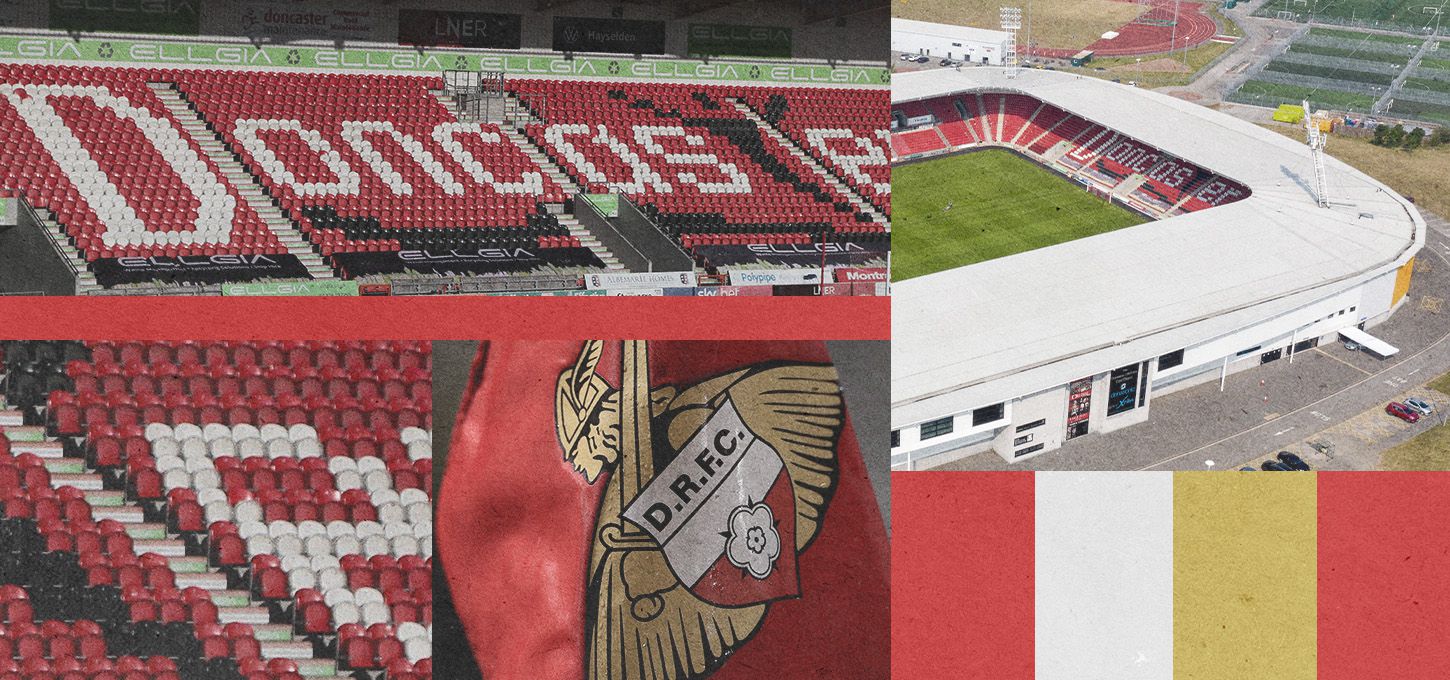
Doncaster Rovers’ first season back in League One was successful, if streaky.
After starting on fire with five wins in seven, the freshly-promoted side took the spoils in just one of the next 17 to begin the New Year four points adrift of safety, before a meteoric surge of 11 wins in the final 22 games saw them finish 14th, and as one of the league’s form sides.
Grant McCann’s troops have a commendable habit of rising to the business end of seasons, and it’s a mentality they’re keen to maintain, along with better starts.
Backed by a fantastic owner, though, in Terry Bramall, who represents the club with admirable zest and charming honesty, the club seem to have been more aggressive in their recruitment this summer – most notably in loaning Alfie May from Huddersfield.
Rovers missed a clinical edge last season, with athletic runner Brandon Hanlan and finisher Billy Sharp not quite offering the full package down the middle, due to both being weak where the other was strong.
May, however, brings classy finishing, good link-up play and an insatiable work ethic, which has made him one of the best forwards in League One over the last five years, so his capture represents a shining example of shrewd geographical opportunism.
The former Birmingham forward looks well-placed to maximize the creativity in Doncaster’s midfield which, barring a PNE move for star all-rounder Owen Bailey, is one of the better ones in the division.
In Bailey, plus one of Hollywood passer George Broadbent and the busy Robbie Gotts, the South Yorkshire outfit have an enviable duo in the middle of the park, and solid Darren Robinson will feel he has the potential to come into the mix.
Donny have added fresh quality in attacking midfield, too, where after scoring 15 league goals last season for Cheltenham, Isaac Hutchinson looks a technical upgrade on the relentlessly energetic Harry Clifton in McCann’s best XI.
So, as Jordan Thomas looks a reasonable like-for-like replacement for Luke Molyneux on the right - a marginally less prolific provider of big numbers, but with more peak-aged years ahead and a slightly stronger dribbler – they’ll score more goals this season.
The question, then, is whether defensive improvements since Neill Byrne came into the side in January, prior to making his loan from Bradford permanent this summer, can be sustained.
A duo of Byrne and fellow veteran Matty Pearson might be a trifle slow, but McCann also has emerging talents up his sleeve, in the uncompromising Jay McGrath, who was outstanding in League Two, and Irish talent Seán Grehan, who finished last season well.
Elsewhere, left-back Jack Senior stepped up to the level far better than many anticipated, while right-back Jamie Sterry acclimatized in line with expectation, and the duo should bring plenty of energy and dynamism once again.
So, if 21-year-old goalkeeper Tommy Simkin, who now has more senior exposure under his belt, can begin to demonstrate his international youth reputation on loan from Stoke, improvement is likely under an excellent League One manager in Grant McCann.
Doubt Donny at your peril…
9. Stevenage

Alex Revell and Stevenage have been on some journey together.
Not long after the former striker took the final two games of the infamous reprieve of 2019-20, the club were looking nervously over their shoulders once again in 2022, until Steve Evans came in.
The Scot proved a great manager for Revell to learn off, and implemented rock-solid defensive foundations which would become central to their rise, including promotion from League Two in 2022-23 and a top half League One finish the year after.
So, although Evans then left, it had always felt as though ‘Revs’ was being readied for the remit, and after a midtable finish in the first season of his second stint, they improved their service last year for top marksman for Jamie Reid, and the results were emphatic.
Reid hit 14 goals as the Boro reached the play-offs, with Stockport dishing ultimate heartache in the semi-final second leg at Edgeley Park, giving the club the hunger to scale even greater heights.
So, can they do it? It won’t be easy in a strengthened league, after the losses of key defender Charlie Goode and creative midfielder Harvey White, although the departed duo aren’t irreplaceable.
Goode will be missed, but the key to a strong defence is a cohesive unit, and that remains, with athletic right-back Luther Wildin, his talented positional rival Jasper Pattenden, assured left-back Lewis Freestone, and the cultural architect that is Carl Piergianni all staying in Hertfordshire.
The latter will be paired with Terence Vancooten, somebody he played alongside under Evans, so it won’t take long for that back-four to forge a water-tight understanding.
Similarly, central midfield remains strong in White’s absence, too, because the club have four established midfielders in the building: the powerful Dan Phillips, the solid Jordan Houghton, the cultured Louis Thompson, and the reliable Terry Taylor, who joins from Charlton.
The biggest question, then, isn’t whether Goode and White can be replaced, even if their greatest attributes aren’t quite as pronounced in the alternatives.
Rather, it’s whether Stevenage can spread the goals around enough, bearing in mind Reid is now 32 and may need to be managed accordingly.
The elusive Dan Kemp, with seven, was the only player to score more than four league goals last season, and more needs to reduce the burden of productivity on arguably both those two, but certainly Reid.
His fellow Northern Irishman, Josh Magennis, is unlikely to do that, even if he’ll be a great mentor to fellow striker Olly Sanderson, who joins from Fulham.
The latter has a decent mix of attributes, and scored 17 goals in the National League with Woking last season, but the 22-year-old struggled in recent stints in League Two, let alone League One, thus has to be classed as a gamble for now.
Killer centre-forwards don’t come cheap, and could be out of Stevenage’s budgetary range, in which case they may need a big season from dribbler Chem Campbell or crossing extraordinaire Pheonix Patterson.
At the same time, it does feel as though the club needs to push the boat out to bring in one or two players, in the remainder of the window who can, in some capacity, bring those extra layers of quality in the final third.
This Stevenage sponge is baked to absolute perfection – but to make the play-offs again, it could do with some cherries and icing…
10. Milton Keynes Dons
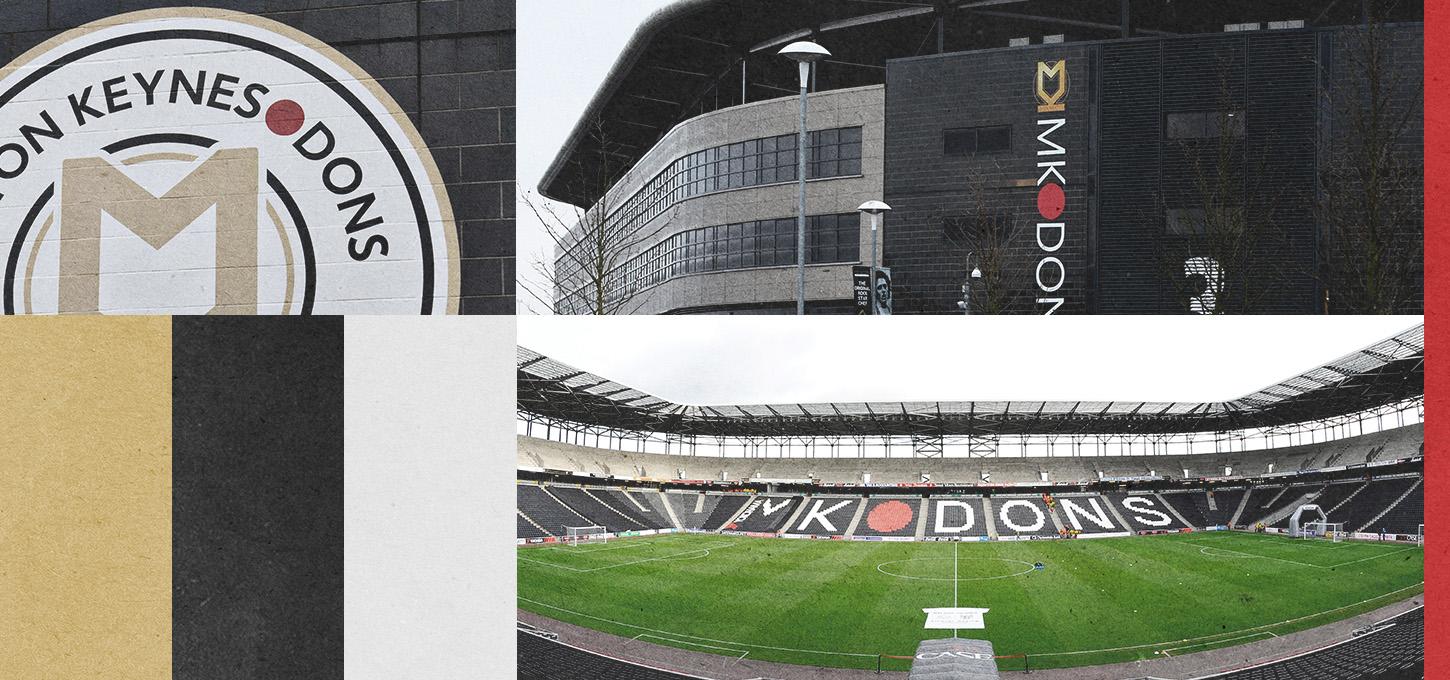
Of the four clubs coming up from League Two, MK Dons will harbour the greatest ambitions.
Under the Kuwaiti ownership of Fahad Al-Ghanim, the Buckinghamshire outfit won promotion from the fourth-tier with a £9 million budget, comparable to Stockport, so stepping up a level won’t diminish expectancy at Stadium:MK.
They have a manager in Paul Warne who has won four promotions from this level before, and a squad that will feel right at home at this level, with their estimable pedigree.
Powerful defender Marvin Ekpiteta, leader Curtis Nelson, stalwart battler Alex Gilbey, midfield ball-carrier Ben Wiles, direct forward Nathaniel Mendez-Laing and aggressive, high-calibre striker Callum Paterson, have all played regularly in the Championship before.
Meanwhile, technical wing-back Kane Wilson and energetic forward Aaron Collins would be two of the best players in the division, if they can only put those pesky injuries behind them.
So, in terms of the names on the sheet it’s a top six squad which, combined with the momentum the club has after promotion, managerial experience and potential for further investment, creates a compelling case for the MK1 outfit to reach the play-offs.
The case against, however, would be that while MK Dons won 24 games in League Two last season, a lot of the victories came based on individual quality in key moments, as opposed to ultra-convincing performances.
Warne’s side were often reduced to aimless crosses, when faced with deep defensive blocks, and they dropped 23 points from winning positions despite boasting considerably the strongest bench in the league.
They might get better at controlling games, though, now playmaker Ryan Wintle has joined after starting regularly last season for title-winners Cardiff, and having been released to some surprise.
They’ve also added a fresher version of Paterson in former academy graduate Sam Nombe, who has a lovely range of qualities, and has scored goals at this level before with Exeter and Rotherham.
MK Dons rely heavily on the calibre of the players, though, rather than the team looking coached with a remarkable level of technical detail.
That might not matter in League Two, because the players speak for themselves, and Warne is so good at creating a great camaraderie within the group through his exceptional man management and motivational qualities.
In League One, however, it’s a good group of players for the level rather than a great one, and so the team may require a bit more cohesion before they can push for a second promotion.
11. Leyton Orient
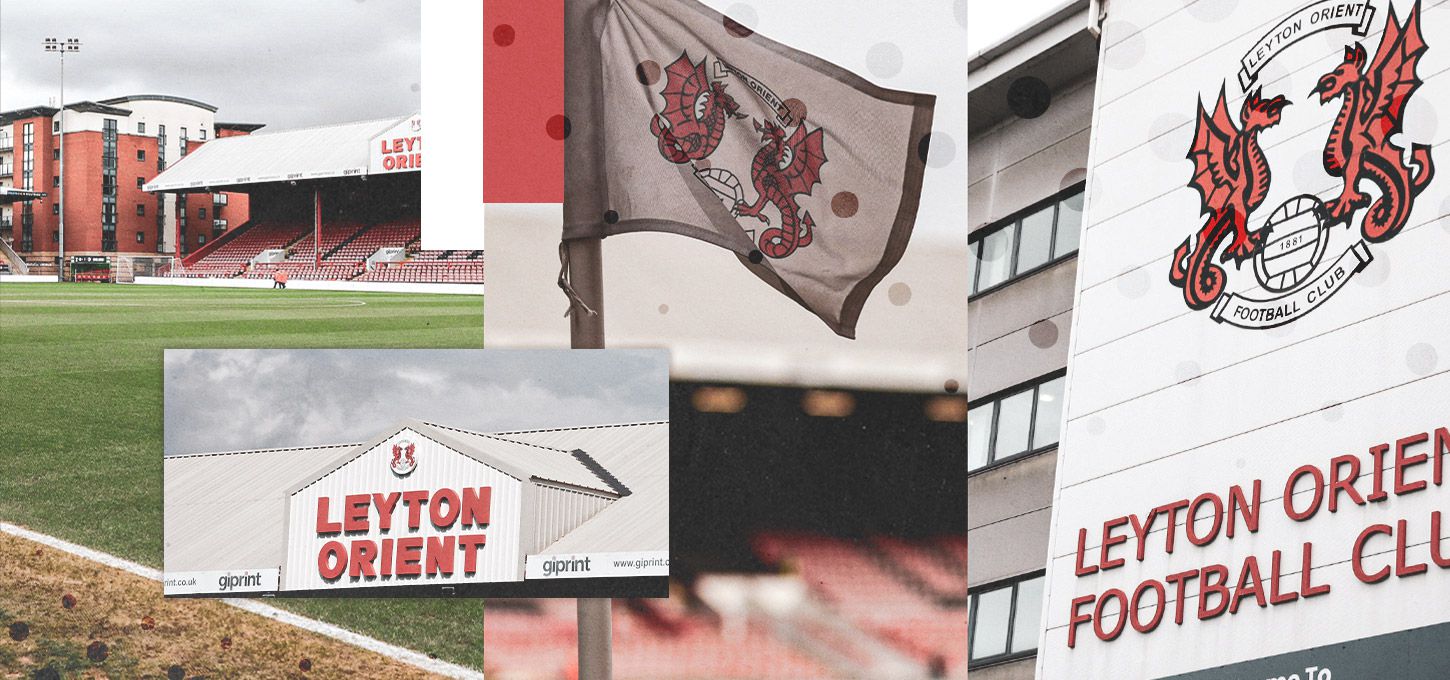
Too many players have wasted 10 months of their career. Wasted my time. I've had one year of my managerial career that I've wasted on those players. Wasted. And then they've wasted the supporters' time.
Leyton Orient boss Richie Wellens had to keep his powder unusually dry throughout last season, in the name of relationship management but, after the 2-2 final day draw with Burton Albion that secured his side’s League One status, the notoriously outspoken Mancunian cut loose.
Wellens’ words satisfy the need to assert standards and rebuild bridges with the fanbase, but not without complication: 18 of those players are still under contract, even if a remaining three of them are available for transfer, so some of this season’s squad will comprise of players whom he was referring to.
As such, improvement this season will necessitate some of the non-listed 15 understanding that they weren’t who he was referring to, and some benefiting from a kick up the backside.
It will also require excellent recruitment, but the signs on that score look positive, especially in terms of the spine.
Nathan Baxter can be the best goalkeeper in the league this season, Joseph Olowu will bring athleticism and ball-playing nous to the defence, while Isaac Hayden was the experienced, physical midfield enforcer the O’s were crying out for last season.
They’ve added balance and industry to the side, too, in the shape of dependably supportive right-back Fin Stevens and culture-carrying wide man Tony Springett, who will aid the Richie reset.
Conversely, they’ve also acquired star talent on loan, in left-back Somto Boniface from Ipswich and wide man Yusuf Akhamrich from Tottenham.
Boniface is an England Under-20 international, he was Chelsea’s Scholar of the Year in 2022-23, and was one of the best full-backs in the PL2 last season: he’ll bring searing pace to the O’s.
Akhamrich, meanwhile, represents Morocco at Under-20s level and won the PL2 with Spurs’ Under-21s in 2023-24; the direct wide man was outstanding in League Two with Bristol Rovers last season, he loves to take people on, and is capable of the spectacular.
Orient, then, now have a really nice blend of some strong character profiles who will set the dressing room straight, and some individuals who can bring the wow factor.
So, the transfer business looks promising, but any play-off push would also require vast improvement from lots of players who remain from last year’s dice with the drop.
Plus, delays to top goalscorer Dom Ballard’s move to Bristol City, due to differences in valuation, reduced the time the club has to move for his replacement, with Tariq Al-Sadi looking a more developmental buy.
All things considered, a top half finish would represent a clear step forward.
12. Blackpool
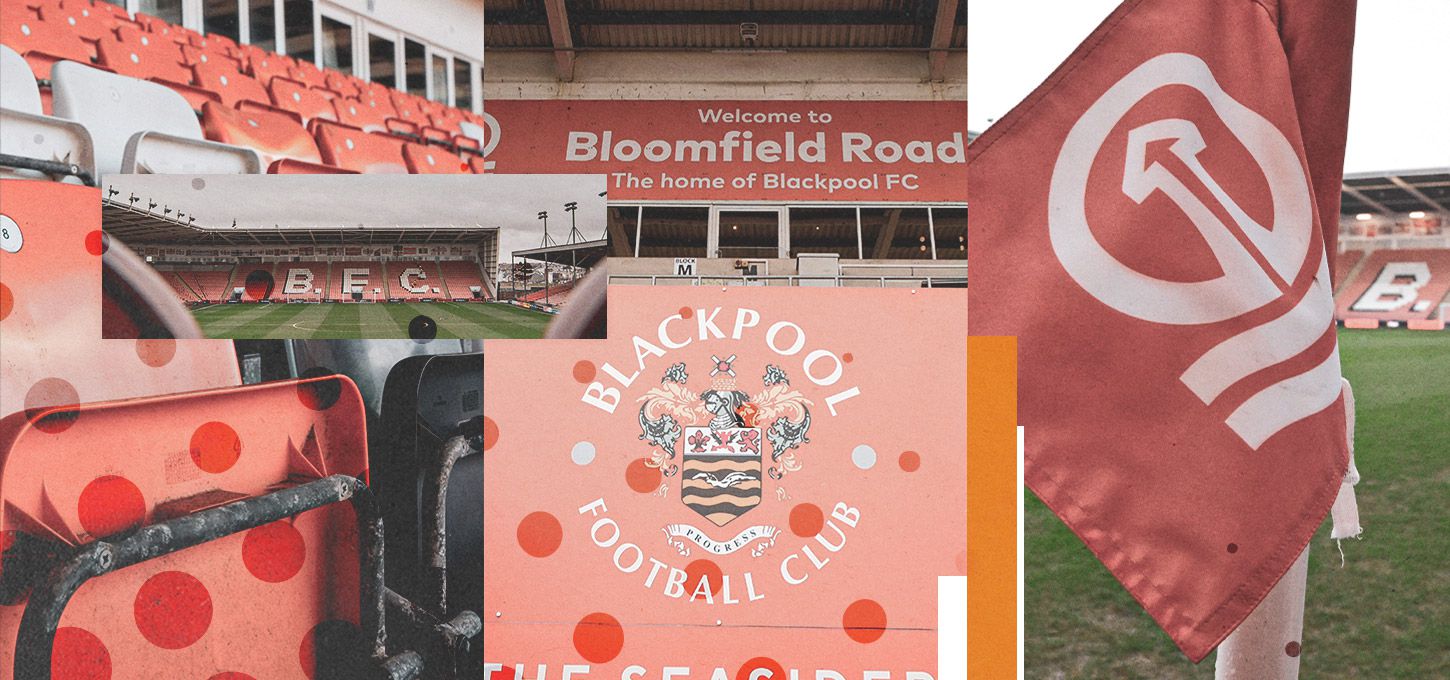
8th and 9th-placed finishes under Neil Critchley and Steve Bruce had Blackpool fans hoping they were on track for a Championship return, after relegation from the second-tier in 2022-23, but instead they’ve had to take a step back to come forward again.
Eight defeats in 12 at the start of 2025-26 led to the dismissal of Bruce, who was in charge for seven of those, but Ian Evatt turned things around after taking charge in October.
Six wins in his first 10 had the Seasiders motoring away from the bottom four at the turn of the year, only for nine defeats in 14 to pull them back in, before seven wins in nine ensured a streaky campaign ended safely in midtable.
Now, Evatt intends to channel his experience at Bolton, of building top six teams at this level.
In dependable defenders Oli Casey and Fraser Horsfall, nicely-rounded midfielder Albie Morgan and ‘unstoppable on his day’ winger CJ Hamilton, he has a group of players capable; Niall Ennis and Josh Bowler could get there too, provided full fitness.
He’s since built on that by permanently retaining all-action Charlton loanee Karoy Anderson, a fan favourite last year, as well as adding high-octane wing-back Ilmari Niskanen, athletic right-sided defender Jordan Williams, and persistent poacher Dion Charles, who’s scored goals for him before.
Although those 10 players are borderline top six performers, the other 13 in their senior squad are not on the same level, and none of them are the U21 profiles from whom you’d anticipate exponential development.
In the interests of balance, five of the 13 are in the 22-25 bracket - Jordan Brown, Leighton Clarkson, Tom Bloxham, Dale Taylor and Zac Ashworth - and there may be valid cause to anticipate some of the youngish quintet finding one more gear.
On pre-existing evidence, however, we’d say 59% of the squad are ok for the level but unlikely to quite move the needle, short-term or long.
That would be fine if Blackpool had their best XI consistently fit and available, but they’re starting the season with Horsfall, Clarkson and Bloxham all sidelined, along with Michael Ihiekwe and George Honeyman.
The good news, on the other hand, is the impact of CEO David Downes and local lad COO Nick Horne, with communication improving and the Tangerine Army feeling a lot more connected, which may feed into the intangibles.
Yet while progress has been made, both under those two and under Evatt, it might take another 12 months for the 44-year-old to fully renovate the squad into one that has the fitness and depth to last the course.
13. Barnsley
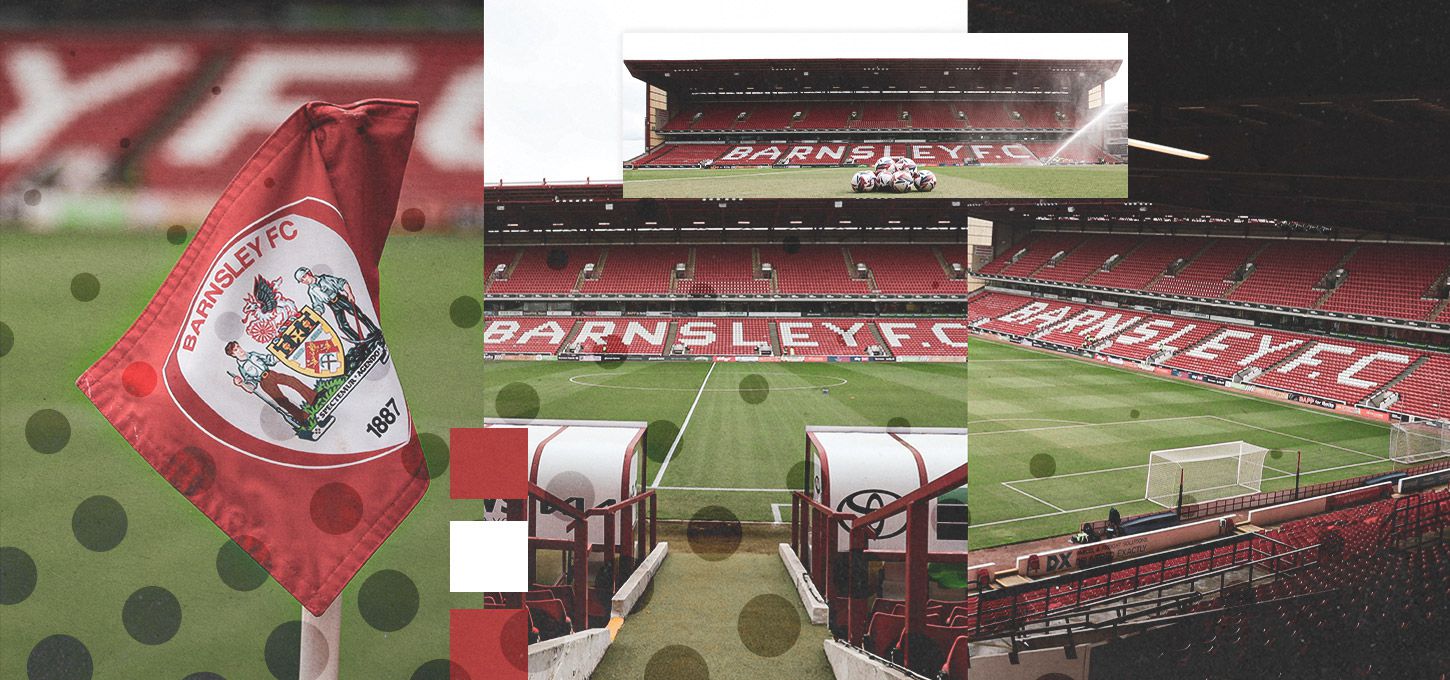
The verdict of Barnsley’s recruitment over recent years depends on whether one weights the appraisal based primarily on Talent ID, or team-building.
On the one hand, the Reds have, with continuously decreasing resources, built a squad boasting several international prospects, with a combined market valuation extending comfortably into eight-figures.
Smooth passer Jonny Bland, elusive dribbler Patrick Kelly, energetic presser Vimal Yoganathan, individualistic wide forward Reyes Cleary are already top-end performers at this level, and look set to bring value on and off the pitch.
Mid-20s centre-backs Maël de Gevigney and Jack Shepherd are young for their positions, and still have the potential to move up in the system, although improvement on last season is a must.
Meanwhile, 20-year-old defender Isaac Smith spent his teenage years on the books at Manchester City, and fellow recruit Clayton Taylor was one of the top wingers in the A-League last season for his creative and goalscoring contributions – he’s still only 22.
Another young winger, Charlie Lennon, used to be in the England Under-17s setup and is rated very highly internally – ‘watch this space’ is the message - likewise homegrown striker Leo Farrell.
With 21-year-old Amani Richards also bringing forward talent from Leicester, the growth potential is enormous, and represents an attractive component of the case for the Reds this season.
The problem is, it’s yet to translate, and while the profile of the squad suggests a team on an upward trajectory, the results tell a very different story.
In fact, Tarn have finished in a lower position than the year before for five consecutive seasons, and given that fans care more about league tables than balance sheets, those are the outcomes that ultimately dictate local discourse.
The club are entitled to take pride in their Talent ID, just as the fanbase are entitled to desire a more cohesive side that has all the ingredients required for success.
In pursuit of them, they’ve appointed a head coach who knows what that success at Oakwell looks like, in Daniel Stendel, who won promotion from this level with the Reds in 2018-19 – albeit with a much bigger budget.
Stendel’s return will please supporters, with whom he had a fantastic rapport, although it does smack slightly of a club reminiscing about previous names, as opposed to having a more cohesive internal process, and that applies to player recruitment as well.
In that department, the club feel they can get by with a mixture of CEO Jon Flatman’s business acumen, director James Cryne’s data, recruitment analyst Matt Trevillion’s analysis and Stendel’s player-type profiling preferences, plus ad hoc contributions of insight and contacts from people like Academy Manager, Bobby Hassell, and others.
That plural executive setup, they believe, accumulates to the same efficiency as having a Director of Football, so they’ve opted to allocate limited resource elsewhere.
That can be true from a talent ID perspective, but in terms of squad building, continuity between coaches and implementing a clear vision, the decentralised approach arguably misses an element of macro-focus in the decision-making process.
Barnsley are in a forest, and it’s easier to navigate through one speaking to somebody in a helicopter on a COM radio, than it is relying squarely on lots of people on the ground offering different advice from more compromised vantage points.
14. Wigan Athletic
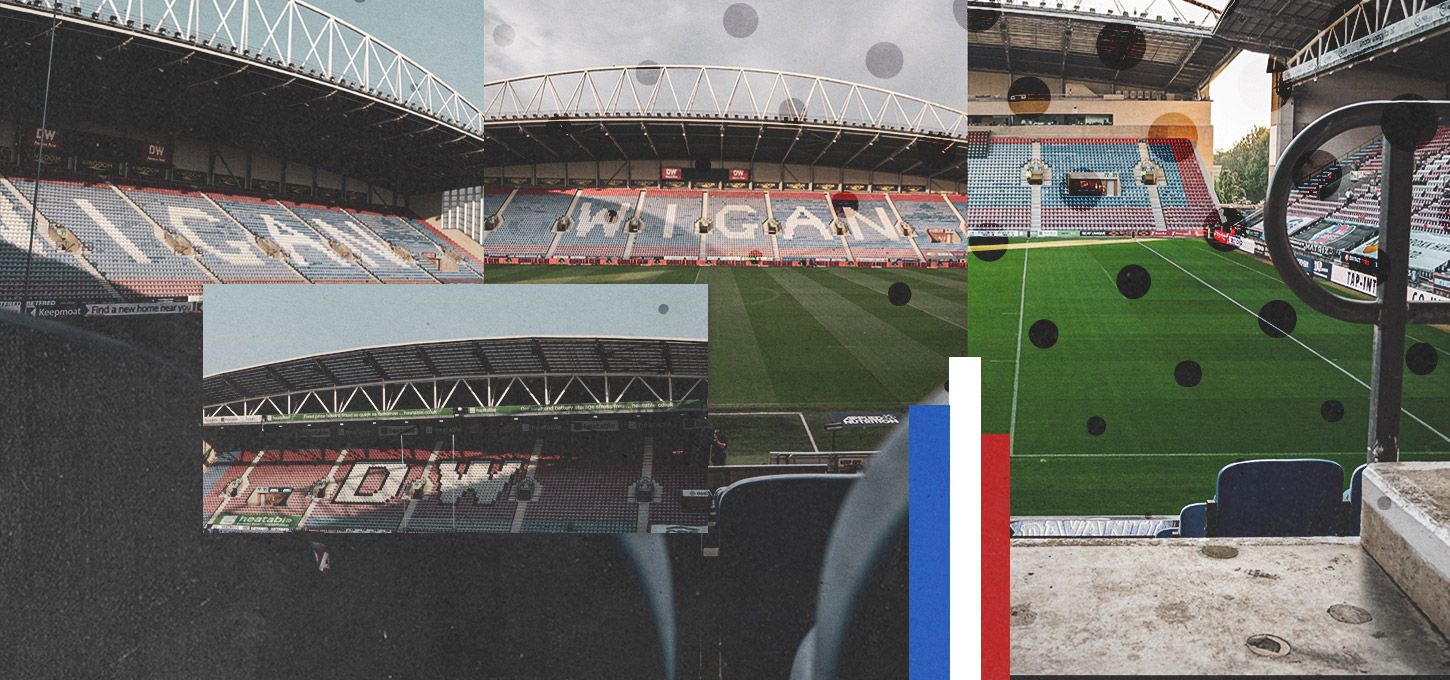
The three years, since owner Mike Danson stepped in to save Wigan Athletic in June 2023, haven’t gone entirely to plan.
The first season offered promise, as a talented young group delivered top 10 form (and a 12th-placed finish with the eight-point deduction) under Shaun Maloney, but they’ve gone backwards from there.
Maloney was dismissed in March of the following, injury-stricken season, which led the club to the disastrous appointment of Ryan Lowe, who eroded a lot of the values that his predecessor had put in place, and needed to be replaced by Gary Caldwell to secure comfortable survival last year.
The former FA Cup-winning captain, and League One winning manager, delivered instant improvement with 25 points from 16 games, as only Lincoln and Burton shipped fewer goals in that timeframe.
The challenge, then, is repeating that form this season and multiplying it by three, but it’s not quite that simple (well, when is it ever?).
The Latics have lost star goalkeeper Sam Tickle to Bristol City and, with respect to Joe Walsh, it’s hard right now to perceive the 24-year-old as anything other than a notable downgrade between the sticks.
Elsewhere, Jeremiah Chilokoa-Mullen should bring some ball-playing class to the middle of the back-three, although the 6’2” defender isn’t super dominant: numbers suggest he wins a high proportion of his aerial duels, but contests very few, and isn’t regarded as a natural leader.
The theory, perhaps, is that the former Scotland Under-21 international will bring an understated stability to complement proactively aggressive defenders either side of him, in James Carragher and Jon Mellish, who may may have more freedom to push forward.
In practice, it’s hard to say whether they may miss a more dominant presence anchoring the back-line, and whether the trade-off will be worthwhile.
Leadership, however, will come from Max Power, who ran games from deeper midfield for Bradford last season, and should forge a strong pairing with box-to-box man Ryan Trevitt, with whom Caldwell works for a third time.
The question marks lie in other areas: wing-back Connor Barrett was criticised on application at Walsall last season, although he also showed tremendous attacking attributes at the Bescot, and may have more freedom to demonstrate them with the insurance of Carragher behind him.
In attacking midfield areas, however, Sonny Perkins from Leyton Orient and Hindolo Mustapha from Crystal Palace represent questionable acquisitions, especially if the system is designed to give wing-backs Barrett and Fraser Murray extra freedom.
Perkins had a fantastic youth reputation, as a free-scorer for the Young Lions, but struggled desperately at Brisbane Road: a minority of fans noted he had a modicum of finesse, but most perceived him as a weak passenger and were surprised the club attained a fee for his services.
Similarly, Mustapha’s reputation at Crystal Palace is that he doesn’t run enough, and has been afforded just one appearances across two loans with West Brom, and previously 1. FC Nürnberg, where Miroslav Klose criticised his professionalism.
Suffice to say, the club has taken risks on character in summer recruitment.
The hierarchy might argue that, in order to attain good players on a modest budget, you have to make compromises somewhere, but the counter-argument would be that it’s not as if Wigan have an established leadership group to set these enigmas straight.
The big reason to believe in Wigan, then, is Caldwell. The 44-year-old did an outstanding job at Exeter, to keep the fan-owned club comfortably safe season on season, and has more than earned a chance to work with a better squad.
While there are some question marks, Wigan do have a decent core, in industrious forwards Christian Saydee and Dara Costelloe, Murray, Mellish and Carragher, plus recruits Power, Trevitt, and Chilokoa-Mullen based on distribution.
Meanwhile, Caldwell has an outstanding academy to dip into: versatile midfielder Tobias Brenan hoping to build on a positive loan at Harrogate, while striker Cole Sims scored for fun in the Under-21s last season.
Form quality of management suggests a top half finish, but recruitment yields one too many question marks for confidence.
15. Wycombe Wanderers
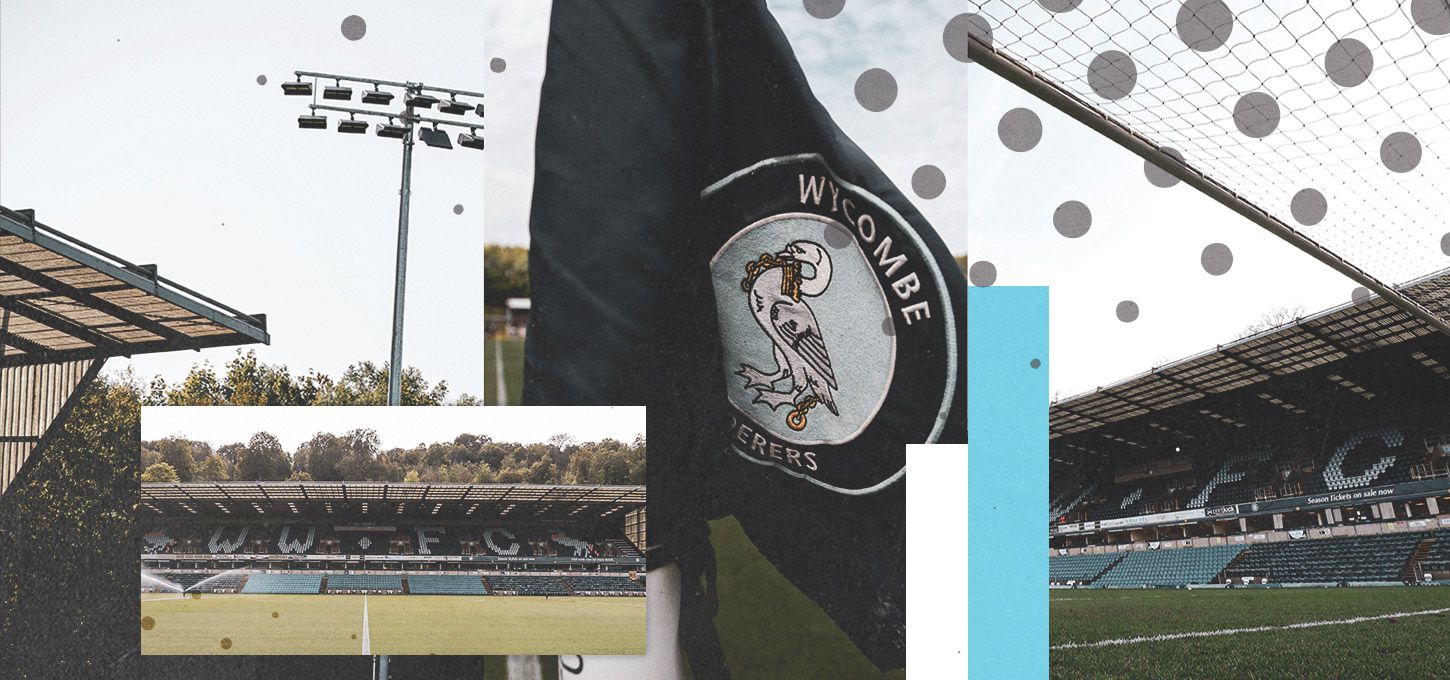
It’s hard to say whether this is the most exciting era of Wycombe Wanderers’ history, or the most disillusioning.
On the one hand, the long-term potential of the club under Mikheil Lomtadze’s ownership is arguably greater than it’s ever been.
Huge infrastructural strides were made under Rob Couhig, and have continued under the Kazakhstani billionaire’s ownership, with the Chairboys boasting fantastic training facilities at Marlow Road, and more staff in place to smoothen internal processes.
Meanwhile, the calibre of player the club can attract is unheard of: 15 of their 24-man squad have, at one level or another, represented their country, while seven of them have featured in European club competitions.
In playmaker Aaron Morley, box-to-box man Caolan Boyd-Munce and gifted wide forward Fred Onyedinma, plus committed full-backs in Jack Grimmer and Dan Harvie, they have a great core of players, that experienced former Premier League defender Steve Cook should slot straight into.
Plus, they’ve strengthened in the loan market: right-back Sam Parker from Swansea is a sumptuous talent, and Emre Tezgel, once sought after by some of European football’s biggest names, arrives from Stoke to address the striker void.
With some extremely appealing profiles to supplement that six-man core, and those two loanees, as well as a top League One manager in Michael Duff, they have a team of great capability on paper.
The question we would ask, however, is at what cost?
Under the Supporters Trust, and Couhig, there used to be a clear reason for newcomers to support Wycombe rather than Arsenal or Chelsea: it was a sense of community, belonging, and a connection not just with fellow fans but with the club itself.
Since Dan Rice came in as chairman, that’s been compromised significantly. The club’s charming sense of identity, that used to glow dark & light blue quarters right across the Chilterns like a shining beacon, now doesn’t illuminate quite so brightly.
That’s not to say Rice couldn’t be capable within a certain role. He’s an intelligent guy, fairly respected in the industry, with some good processes for identifying top talent - but he’s not fit to represent that club as chairman.
We’ve spoken to chairmen across the country, and with many, felt like they could talk for hours about the specifics of what their club is doing in the local community.
Whereas, when Rice was asked a question about that in April’s Fans Forum, his answer was vague, and his first instinct had seemed to be to look for somebody else to take it on which, fairly or otherwise, makes it hard not to infer a lack of enthusiasm for that aspect of his responsibility.
By extension, if you don’t care much about community in the literal sense (i.e. Wycombe Wanderers Foundation), you’re possibly less likely to care about it in the figurative, in terms of the values with which you operate internally.
That might seem like a large jump to conclusion, because it’s hard to say definitively without being in the room, but there’s often no smoke without fire:
There seems to be far more stories of good people and long-term club devotees leaving Wycombe Wanderers, dissatisfied with how they were treated, in the last two years, than there ever were for over a decade previously.
The hierarchy might argue, perhaps, that the club has to become colder and more ruthless in order to emulate how Premier League clubs are run.
The true magic of Wycombe, however, is not in how they are alike Premier League clubs – it’s in how they are different.
16. Peterborough United
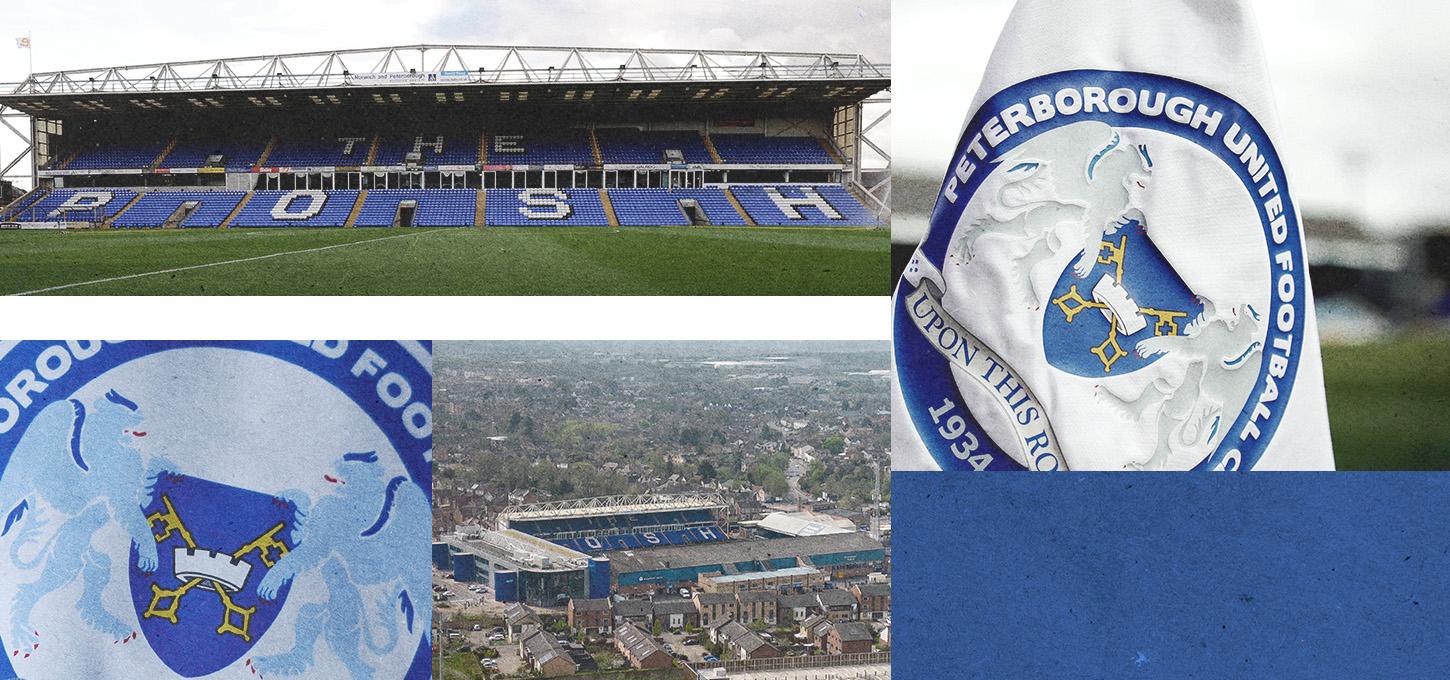
The last two years represent a stark comedown for Peterborough United.
After five consecutive seasons of being either in League One promotion contention or, for one campaign, in the Championship, the Posh have endured successive 18th-placed finishes – although they did win the EFL Trophy in 2024-25.
Across the last seven windows, 10 important or star players have left London Road, while in those same windows (excluding this one), the club’s recruitment hit rate has arguably been around 17 (33%) in 51.
The caveat to that, of course, is that some of those 17 hits have been major successes, and they do have a respectable core in strong shot-stopper Alex Bass, tenacious full-back Carl Johnston, dynamic midfielder Brandon Khela and industrious forward Harry Leonard.
Conversely, some of the 34 ‘misses’, for want of kinder terminology, were actually long-term investments that need more time, like midfielder Joe Andrews, who can’t really be judged yet because he’s been out on loan.
Nonetheless, there is a feeling among the fanbase that - while the need to sell valuable players is not just inevitable, but even desirable - the rebuild hasn’t been managed quite as well as it might have been.
The last golden generation began to break up three years ago, and one can accept a resultant season or two of transition, yet by this phase of the rebuild, the squad should look stronger than it does.
Holding the club to high standards, which is in some ways in a compliment to the bar they’ve previously set under Darragh MacAnthony, they would have wanted to now have the next Ronnie Edwards, the next Kwame Poku, the next Ephron Mason-Clark. Oven-ready.
Early-20s players, that is, who are on the cusp of their peak, who could conceivably perform among the best in the division this year: but that’s not what’s in situ.
Instead, they have astonishing teenage talents, like progressive defender Lucca Mendonça, cultured finisher Bolu Shofowoke and dribbler Patryk Sykut, who are likely a couple of seasons away from hitting their stride.
Conversely, full-backs James Dornelly and Harley Mills haven’t kicked on in the last 12 months, in the way that some might have hoped after the promise they demonstrated in 2024-25.
Some allowances could be made for that, because development isn’t always linear, but it’s not ideal that two of their biggest hopes have strayed slightly off-course at a stage where you’re looking for that upward spike.
Then, there’s this summer’s recruitment.
Intelligent midfielder Harrison Jones looks an inspired acquisition, as he joins from Sunderland with rave reviews from Graeme Murty for his tactical understanding of games, but the 21-year-old has only made two league starts in senior football.
In the wide areas, meanwhile, the club have, as things stand, replaced Millwall-bound Kyrell Lisbie, one of League One’s star forwards, with 25-year-old Owura Edwards, who wouldn’t even have been in League Two Colchester’s best XI last season.
With respect to Edwards, who might yet prove a decent option from the bench with his pace, realistically you don’t sign somebody of his profile if you’ve succession-planned correctly.
Defensively, meanwhile, the club are hoping leader Sam Hughes and the cultured Tom O’Connor can forge a solid centre-back pairing.
They might do, when they return, but the former hasn’t featured since 2024-25 and it could be asking a lot for him to hit the ground running – so are they going to get 40 league starts out of him?
It’s a squad with four good League One players, and that number could expand if midfielder Matt Garbett can find fitness, along with Hughes and O’Connor, Jones can adjust as hoped, and Dornelly and Mills get back on track – and the squad also has at least three prodigious talents who may contribute to the squad.
They have a head coach, too, in Luke Williams, who is one of the Football League's finest when it comes to developing young players, and the former Notts County promotion-winners open-minded philosophy towards those who may be further back on the conveyor belt could be key.
The model is fantastic: through it, the club have achieved financial stability in such a tough economic climate, which is something they should be immensely proud of.
At the same time, it needs to be implemented better.
This is another transitional season for Peterborough, which suggests they haven’t executed previous transitional seasons as well as they needed to.
17. Reading
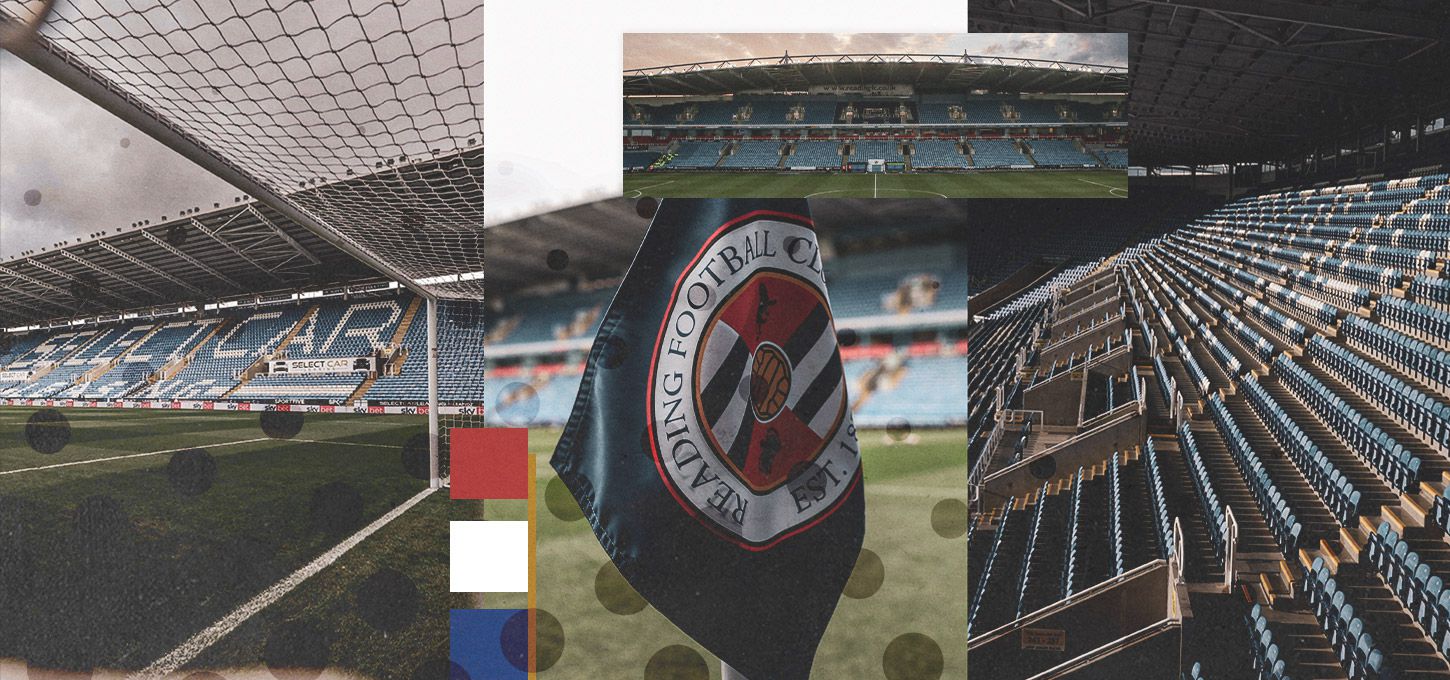
The big question at Reading is whether the people in senior leadership positions can be the ones to take the club into a bright new dawn, or simply the ones to get it through the last of a long dark night.
When Rob Couhig was Wycombe Wanderers owner, he inherited a club from the Supporters Trust that had been working on a hand-to-mouth basis, spruced things up, and sold it at a much higher value, which could be the plan for him at Reading.
Joe Jacobson, who worked with him in a playing capacity at Adams Park, is unproven as a CEO, magnetic as his people skills are.
In the aftermath of the crisis-ridden Dai Yongge regime, it was a risk to hire somebody who’s just hung up his boots for an executive role, as opposed to a more experienced figure – the outcome of which is to be decided.
And then there’s Leam Richardson, who delivered top-10 form after taking charge in October, with 48 points from 32 games; extrapolate that return over a full season and the Royals are on a 69-point base, with the potential for the right additions to nudge them into the top six.
Performances, however, paint a different picture: the Berkshire outfit looked a touch disjointed for large swathes of their games, in contrast with the detail Richardson would articulately convey in interviews.
Reading would often win through Lewis Wing, with his stunning vision, picking out poacher Jack Marriott for a seasoned finish, but then, when that route got nullified, be found wanting for alternative ideas.
That may come after developments this summer: the club has recruited athletic, physically robust players like Kyreece Lisbie and Udoka Godwin-Malife, as well as appointing a new strength & conditioning coach, Mat Bramhall.
He has to make an instant impact on the sports science side of things, however, because 84% of Reading’s players last season were available for less than 50% of the games.
So, on the one hand, they have a capable core, in cultured goalkeeper Joel Pereira, gritty centre-back Paudie O’Connor, intelligent wing-back Haydon Roberts, Wales midfield talent Charlie Savage and on-loan forward Josh Stokes, who was Stockport’s best player in the Play-Off Final.
It’s hard to say with confidence, however, that key players will stay fit, or that Marriott, with his conversion rate of 16 goals from an xG of 7.2, will continue to run quite as hot.
Results might suggest progress, but performances suggest a drop-off.
18. Cambridge United
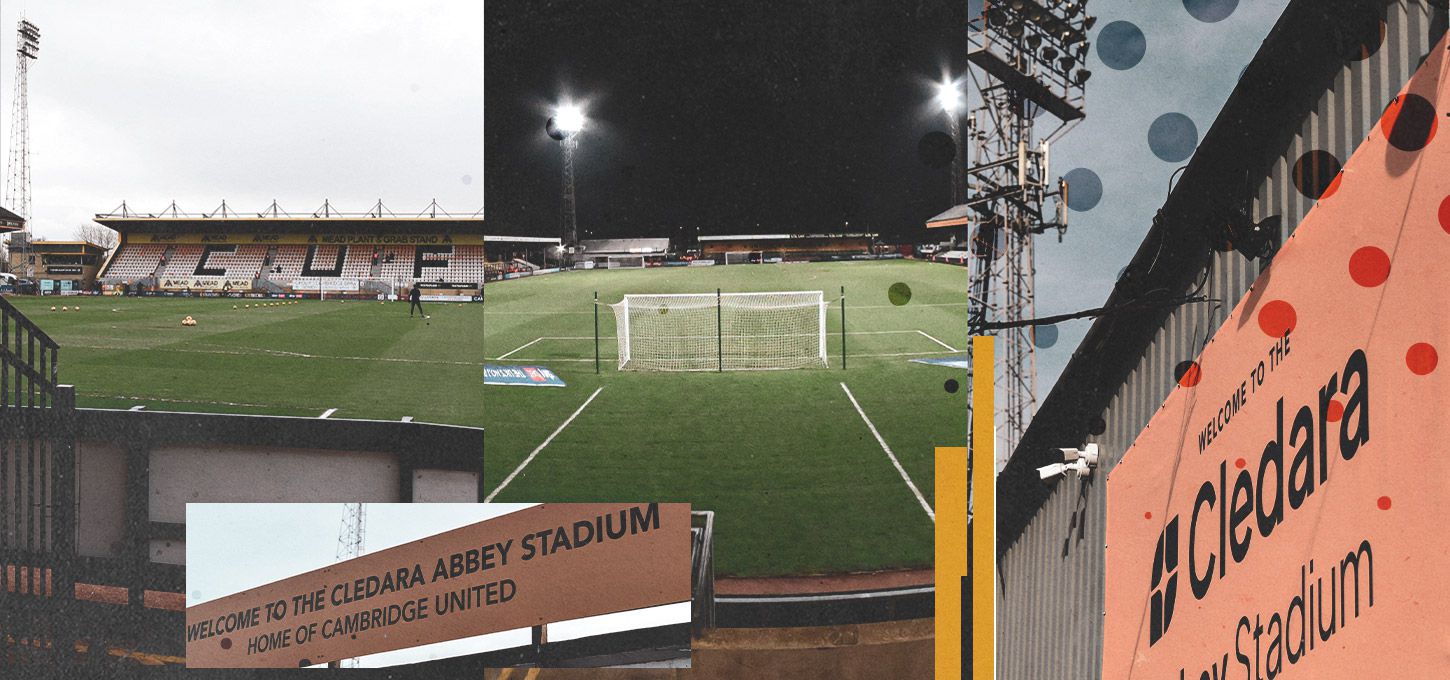
Cambridge United’s promotion, last season, was a victory for solidity, consistency and reliability.
On the pitch, the U’s lost only eight games all season, and conceded just 33 goals, the fewest at the level since 2014-15 Shrewsbury.
Off it, they have a quintet of dependable leadership, starting with an owner in Paul Barry who has been a fantastic custodian for the club, a director in Graham Daniels who remains a warm and welcoming match-day presence, and an astute CEO in Alex Tunbridge who’s overseen some outstanding infrastructural progress.
Meanwhile, head coach Neil Harris and DoF Mark Bonner have established a telepathic synergy, right from their first press conference in February last year.
Harris is an excellent motivator with a wealth of successful higher level experience, whereas Bonner, although nine years his junior, is almost the level head who keeps him on an even keel, bringing excellent strategic vision.
Bonner has overseen two excellent signings, loaning left centre-back Callum Perry from Coventry, after the highly-rated defender enjoyed a wonderful campaign in the National League with Rochdale, and signing Isaac Heath permanently.
Everton’s Academy Player of the Year in 2024-25, Heath grabbed six goals and assists apiece on loan at Accrington Stanley last summer, and will bring an insatiable work ethic, pace and directness to the flanks – so to bag the 21-year-old on a three-year deal represented excellent squad planning from the club.
Perry and Heath join a dependable core, in fair shot-stopper Jake Eastwood, tenacious right-back Liam Bennett, talented defenders Mamadou Jobe and Kelland Watts, experienced midfielder Pelly Ruddock M’Panzu, and ball-winner, Dom Ball – a winner.
Ben Knight can bring a sprinkling of magic on top of that, with his elusive dribbling style that makes him a joy to watch: the former Manchester City prospect was hampered by injury in the first part of his career, and must be determined to make up for lost time.
The big question mark, then, lies up top: Louis Appéré can raise the goalscoring potential of the rest of the team, but the selfless target man is unlikely to get out of single digits himself in League One, whereas Charlton loanee Gassan Ahadme might score a few more – but can he lead the line on his own?
Appéré and Ahadme could forge an excellent strike-pairing, akin to Steve Morison and Lee Gregory for Harris’ Millwall team in the 2010s, but the boss may nowadays favour the extra number in midfield.
Cambridge might not get to 50 goals, then, but they won’t concede many more than 60 either and therein lies the key.
Although light on quality, the U’s can establish themselves through stable leadership, excellent organisation - and making the Abbey a fortress where better-resourced opposition fear to tread.
19. Mansfield Town

In an era of football that’s brought a widespread clamour for youth, Mansfield have demonstrated the value of wisdom and experience.
In his 28th season in management, Nigel Clough delivered a top-10 finish with the Stags, with a squad built on knowhow and maturity.
Moreover, he’s cultivated, in the process, a group that people want to be and stay part of, through his people-first management philosophy.
Clough’s approach incentivizes feedback, rewards honesty, and helps people find a healthy work-life balance that’s not only ethically commendable, but also ends up improving on-field performance anyway.
Whereas clubs that mass invest in potential can encounter cultural challenges, caused by players who’ve acquired influence before they’ve truly grown into adulthood, Town have no such issues.
With a squad average age of 29, they have a thoroughly self-policing dressing room, which makes management a lot easier.
They have trustworthy figures in stalwarts Stephen McLaughlin, Rhys Oates, Louis Reed, Elliott Hewitt and Baily Cargill, plus the notoriously ultra-versatile duo of Jordan Bowery and Lucas Akins, whose commitment Clough adores.
Since coming up to League One, they’ve added to that group with the likes of Will Evans, Nathan Moriah-Welsh, Frazer Blake-Tracy, Kyle Knoyle, Ryan Sweeney and Regan Hendry, so turnover has been minimal this summer.
With only five senior outgoings, including loans, who had a combined 48 league starts between them, and only two new additions, plus permanent deals for fan favourites Tyler Roberts and Jonny Russell, this is a stable Stags ship.
The question, however – and Mansfield fans who read our Season Previews annually can probably guess where this is going - is whether enough has been done to renovate the squad with fresh legs, greater athleticism and growth potential.
Going into the summer with 10 of the 20-man squad being in their 30s, plus an eight-man late-20s cohort, there was already a lot of plausible stagnation or decline in that group - even if that’s mitigated somewhat through Clough’s fantastic man management, and ability to viably rest players by shuffling his versatile, multi-functional pack.
It’s a reasonable assumption that none of those 18 players will be much better than they were last season, and that some of them might drop off a level.
As such, you have to counter-balance that likelihood by bringing in some new blood, players who are on that upward trajectory, whereas Mansfield have signed veterans David McGoldrick and Michael Smith.
Both are excellent fits for the culture at Town, with McGoldrick being a consummate professional off the back of an excellent season at Barnsley, and Smith having thrived in a similar environment at Rotherham – but can they freshen things up?
If Mansfield only sign one more player, however, as is rumoured, it’s hard to see where the improvement will stem from.
And, if you’re not improving, you can risk slipping back…
20. Notts County
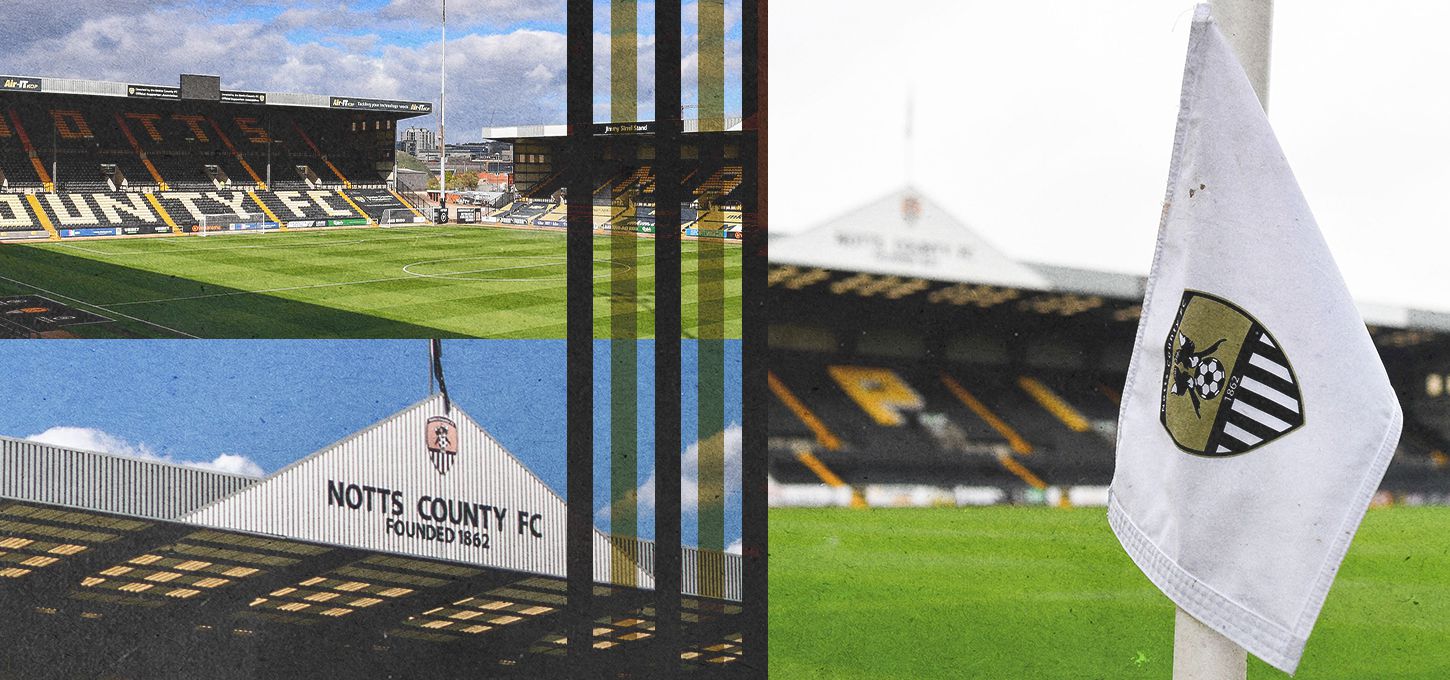
I don’t think that’s going to work out.
The infamous words of one of the mysteriously unidentified doubters of Notts County, going into their 2025-26 campaign - of their new Technical Board setup, recruitment, and the appointment of Martin Paterson - was played with cool satisfaction after promotion.
In a video from the club’s media team, those words of scepticism were played as Paterson walked triumphantly up the steps to the balcony at Nottingham Council House, to soak in all the adoration after confounding his critics.
With hindsight, perhaps the Reedtz brothers had earned more faith than they were given: after all, the Danes have overseen progress, season-on-season, since inheriting the then-National League club in 2019.
In those seven years, they’ve only finished below their division’s play-off spots once, which was in 2023-24, when Luke Williams left in November and key injuries knocked them off course.
And yet somehow, once again, it’s hard to avoid questioning, rather than trusting, the process, based this time on recruitment.
At the time of writing, the club have made nine signings, of which a couple, Callum Roberts and Emile Acquah, are nowhere near League One level – over to you to prove us wrong, fellas.
They’ve also signed a couple of exciting profiles, in box-to-box midfielder Darius Lipsiuc of Ireland Under-21s, from Stoke, and 22-year-old target man Luka Smyth, who brings an excellent goalscoring record from VPS in Finland.
Meanwhile, Ollie Cooper brings skill, agility and a touch of Championship pedigree on loan from Swansea.
The other four, however, are a hybrid category of peak-aged players in the 23-28 range, who have only really proven themselves at League Two level, in defenders James Gibbons and Matt Baker, plus midfielders Max Sanders and Jack Evans.
The club might argue that they can’t afford the established League One performers, but they did want players who mostly have a three-figured number of Football League appearances who’d be ready for the challenge, and these profiles satisfied that need in a budget-friendly manner.
The concern, however, would be that the club are underestimating the step up: Max Sanders, for example, is more than good enough for the level technically, no questions asked, but lacks mobility and physicality.
So, are League One midfields likely to fear facing him and one of Lipsiuc, Evans, Scott Robertson, Conor Grant or the 2026 iteration of Matty Palmer? Possibly not.
Is Baker an immediate improvement on centre-backs Rod McDonald, Matty Platt, Lewis Macari and Jacob Bedeau? Not really.
They do have some star quality in Jodi Jones, when fit, while fellow wing-back Nick Tsaroulla has more than earned his step up for his exceptional form over the last couple of seasons, while goalkeeper James Belshaw’s shot-stopping and cultural influence could be huge in tough moments.
In general, though, it still reads like a League Two squad in theory, even if a marquee addition like Tommi O’Reilly from Aston Villa might begin to change that.
For now, the Black & White Army are forced to remember how last season’s doubts were assuaged, cross their fingers - and hope there’s once again method in the Magpies.
21. Oxford United
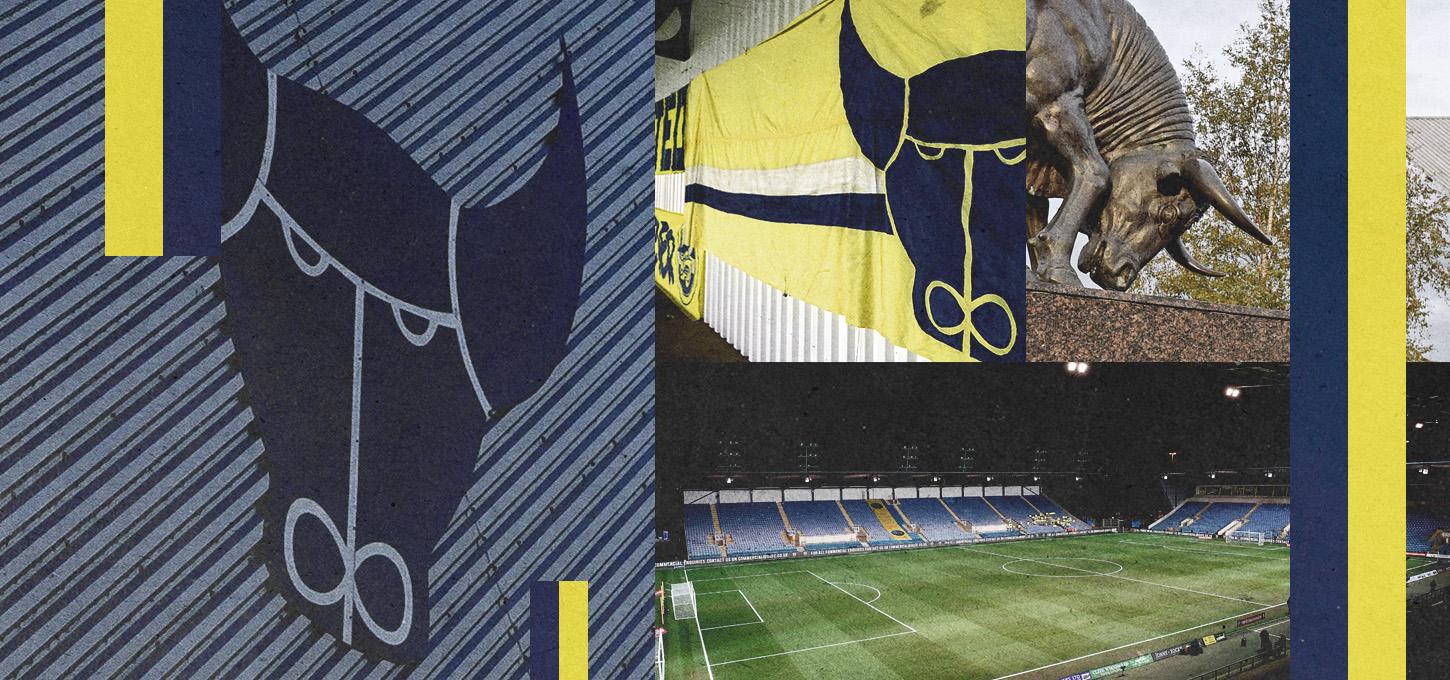
Unusually, for a club that’s just been relegated, Oxford United’s drop from the Championship isn’t their worst news of 2026.
Rather, it’s the transpiration that the club could be homeless in two years, depending on how the complexities of the new stadium project at The Triangle unfold.
It’s the passivity of 51% co-owner Erick Thohir, and chairman Dusan Bogdanovic, who have transmitted radio silence in a summer of grave uncertainty.
It’s the fact the Yellows were hit with a temporary transfer embargo in July, due to failure to provide proof of funds.
As it happens, last Friday’s payday reportedly went ahead without any issues, but the ups and downs around the very basics are hardly confidence-inducing, for a club also sourcing major funding for their time-critical stadium plans.
The embargo is a problem, but not only because they won’t be able to revolve the squad, as is often preferred in post-relegation summers, with a single new player on the pitch: Ruben Roosken was on loan last season, and Frankie Kent is set to miss this one through injury.
Indeed, in terms of the pound-for-pound quality of the squad, it’s still actually one of the better ones in the league: Michał Helik, Cameron Brannagan, Tyler Goodrham and Mark Harris, among others, are players who, individually, other clubs in the league would look at with envy.
Rather, the embargo is a problem because of how it impacts the club’s sense of purpose and direction, which feeds into the levels of motivation for the players.
A lot of them may be at least questioning whether Oxford is the right place for their careers long-term, and at most, itching for the exit door.
Firstly, that hesitancy, combined with the club’s financial health, means there may be key sales between now and the end of the window, as well as in January, that could see a lot of important quality drained from the squad.
Secondly, we may have a situation in which some good players – albeit not the stalwarts who love the club such as Sam Long, Brannagan, Goodrham and others – will put themselves in the shop window before and during the transfer markets, but then lose motivation if they’re staying put.
It may only start with a few who drop their commitment levels in these circumstances, but that mentality can easily spread across a group, so that players who initially have the best intentions, can sometimes lose their way.
Plus, they’ll be coached by Aaron Ramsey, who only announced his retirement from playing four months ago, and for him to now become a head coach feels sudden.
An easy comparison, Ramsey’s former teammate, Jack Wilshere, spent three years building up a respected coaching profile at Arsenal’s academy, and at first-team level with Norwich, so he was ready to make an impact as a number one at Luton, whereas the Welshman arguably hasn’t done enough of the groundwork required.
At the very least, if he was going to go straight into the hot-seat, it needed to be at a stable club, with an attentive board and a settled group of players that would help him ease into the job, as opposed to the chaos he inherits at Oxford.
In this situation, the job isn’t predominantly about how good your coaching methodology is, although the Yellow Army would argue there have been some hopeful signs in that regard in pre-season.
Rather, it’s about management and leadership, being able to galvanize people: Ramsey might turn out to be great at those facets, but for now it’s a question mark.
There might be one too many of those…
22. Bromley
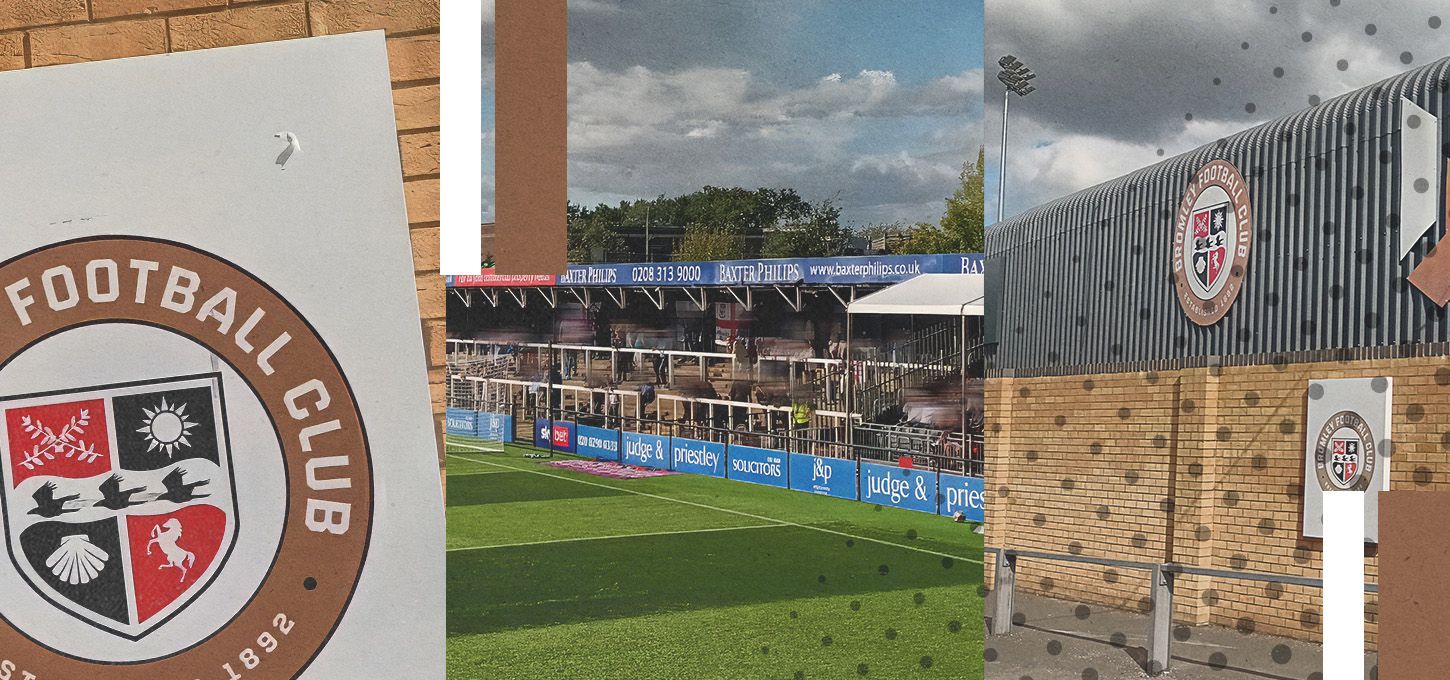
Once again, the Ravens soar to new heights.
From Byron Webster’s eyebrow-raising moment under the arch, as he struck home the winning National League play-off Final penalty, to a top half finish in their first ever Football League season, to a final day League Two title coronation: it’s been a wild ride at Hayes Lane.
While Bromley’s budget was bigger than their modest stature would suggest, becoming champions was an unbelievable achievement: a great vindication of boss Andy Woodman’s ambition, man management, and out-of-possession nous.
The South London outfit, led by the vigorous tough-tackling of Ashley Charles in midfield among others, were extremely good at applying the squeeze to their opponents and, in doing so, forcing most of them to play worse than normal.
On top of that, Bromley are a fantastic set piece team thanks to the pin-point deliveries of Mitch Pinnock, arguably the signing of the summer last year, the threat 6’6” defender Omar Sowunmi carries in the box, and Michael Cheek’s predatory goalscoring instincts.
It begs the question, then: why do we have them going down? Several reasons.
Firstly, the modest profile of the squad. Pinnock, Ben Thompson, and recruit Victor Adeboyejo have thrived at this level in the past, with Northampton, Portsmouth and Burton respectively, but they’re the only three players of whom that’s true.
Recruits Jacob Mendy, Ethon Archer, JJ McKiernan, Kamil Conteh and Richard Taylor have featured in the third-tier, with differing accumulations of minutes, while goalkeeper Shamal George has played in the Scottish Premiership with Livingston - but pedigree is limited.
That would be one thing if this was a young, high-potential group likely to grow with the step up, but only attacking right-back Marcus Ifill and new defender Chanse Headman could be expected to have huge spurts in their developments.
Secondly, their in-possession limitations. They often don’t want the ball, and they’d rather assert themselves by squeezing up the pitch.
This could work for them at The Lane, where they can extract that extra adrenaline from the home crowd that will make it easier to be without the ball for long spells and still sustain the levels throughout.
Away from home, however, they won’t have that advantage, and sometimes a travelling underdog needs to be able to look after the ball for spells to give themselves some oxygen.
Thirdly, questions lie over variability of attacking threat. 31 (44%) of Bromley’s 71 2025-26 goals came from set pieces, and an overlapping same number of them came from a striker – typically top marksman Michael Cheek, or Nicke Kabamba, who made some valuable contributions in the former’s absence at the end of last season.
On the one hand, a predictable attacking threat can bring clarity and continuity: it’s one thing for opposing defences to know what they’re going to do, but marking 6’6” Omar Sowunmi and others is another matter.
However, it also means that unless Cheek, Kabamba and Adeboyejo get 20 goals between them for the typically one up top side, unless the team scores 20 goals from set pieces, they might not have enough alternative means of hurting their opponents.
The club would argue they’ve added different threats in midfielder McKiernan, a direct runner with the ball, and wide forward Archer, who demonstrated individual skill and a stingy shot at Cheltenham.
The former should complement Charles and/or Conteh superbly, but has only scored twice in 62 appearances at this level, whereas the latter did his best work at Cheltenham cutting in from the left, a role Bromley arguably need for Pinnock, who will be key to any sort of chance.
And then there’s the structural side. The South (of) London outfit were a non-league club as recently as 2024, and while they’ve made enormous, admirable strides towards becoming a Football League club in how it operates, they still have some minor details around accountancy and management availability to briefly iron out.
They’ll create a siege mentality at home, and bloody a few noses along the way, but ultimately the step up could prove a bridge too far.
23. AFC Wimbledon
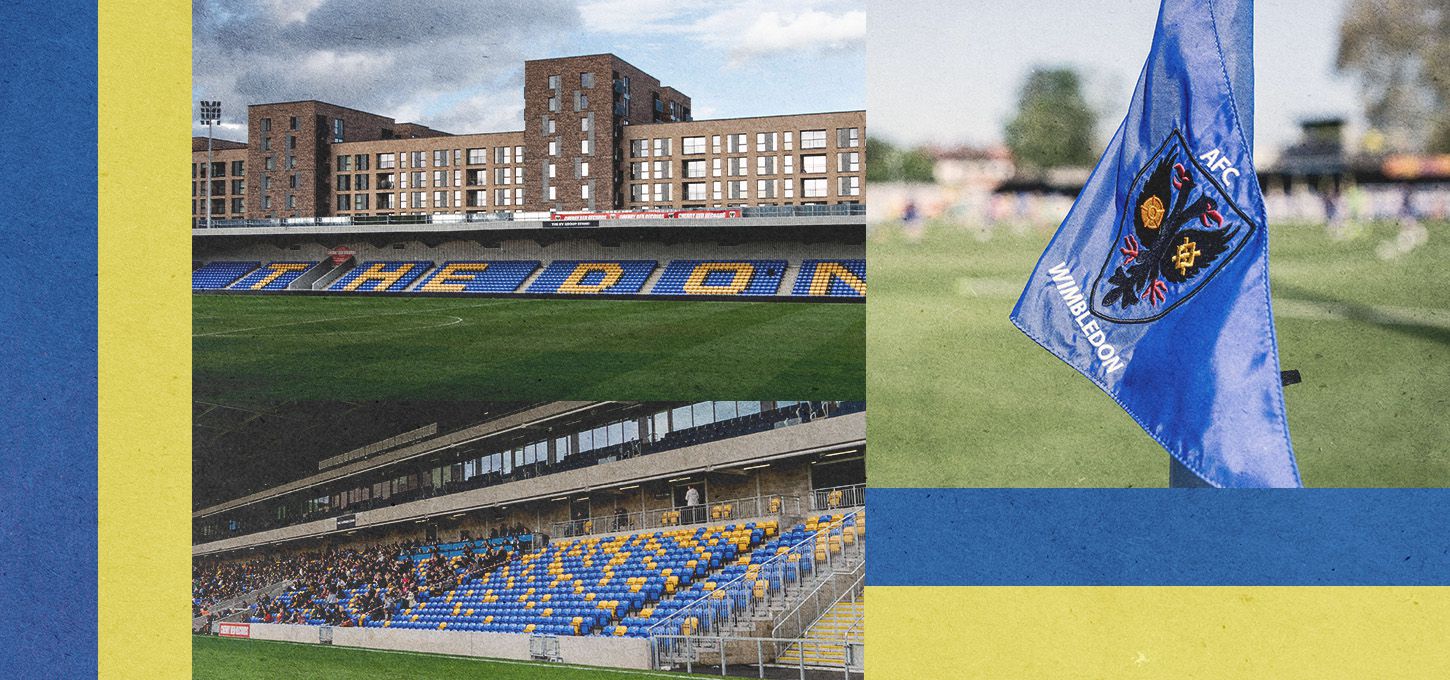
In true Wimbledon spirit, Johnnie Jackson’s side triumphed against the odds last season.
Questioned in pre-season for a perceived lack of firepower, forwards Matty Stevens and Marcus Browne bagged a handy 21 goals between them, as the Dons amassed as many as 45 points by mid-March.
The Wombles didn’t make it easy for themselves, though, and with a double-figured injury list for the run-in, they only took one point from the next nine games which left them hovering anxiously going into the penultimate weekend, when a 1-0 win at Wigan completed the job.
The scant reward for defying their doubters, however, is having to do it all over again – oh, and in a strengthened league.
For a fan-owned club, that’s still paying off debts for their inspirational Plough Lane return, there’s only so long that they can fight the financial disparity from the rest of the league, without finding fresh investment from somewhere.
It’s an ongoing debate among supporters, the sense of security, stability and identity that comes from the badge of honour that is fan ownership, versus the need to raise funds, likelier to originate from outsiders, to keep the pace.
What’s on their side, however, is that they do have a manager in Jackson who’s delivered progress or success for three seasons running, and a terrific Director of Football in Craig Cope, who has overseen a sensible summer of business.
Natives are delighted that wing-back James Tilley returns permanently from Wycombe, for a third spell with the club, to bring attacking intent on either flank, and strength on either foot, making his signature top priority.
Elsewhere, towering centre-back Dan Sweeney is an excellent acquisition from Stevenage, while midfielder Ollie Harrison looks an exciting loan signing from Chelsea.
The South Londoners are well-stocked in midfield, with the rangy Ali Smith, the all-action Callum Maycock, and homegrown prospect Kai Jennings in situ, so Cope and Jackson must have seen something special in Harrison.
The 18-year-old played a key role in Chelsea U21’s PL2 title win last season, and should bring a unique set of technical skills to the side, including a fantastic range of passing.
So, with promising shot-stopping talent in Nathan Bishop learning under a top goalkeeping coach in Ashley Bayes (yes, we do mention him every year), wide defender Isaac Ogungere bringing excellent 1v1 strength, and winger Junior Nkeng possessing stunning potential, there are some reasons for optimism.
In Nkeng’s case, there are question marks over compatibility with Jackson’s preferred 3-5-2 formation, after the 18-year-old had struggled as a wing-back at Cardiff last season, although he could play as a number 10 if the manager is willing to sacrifice a third central midfielder.
Overall, Wimbledon only have about eight players who are cut out for this level on natural ability, and perhaps another group within the rest who have enough grit and fight about them to slot three of them in without the XI notably suffering.
Injuries to the influential octet, though, could be fatal – especially in a league that looks as demanding as ever.
24. Burton Albion
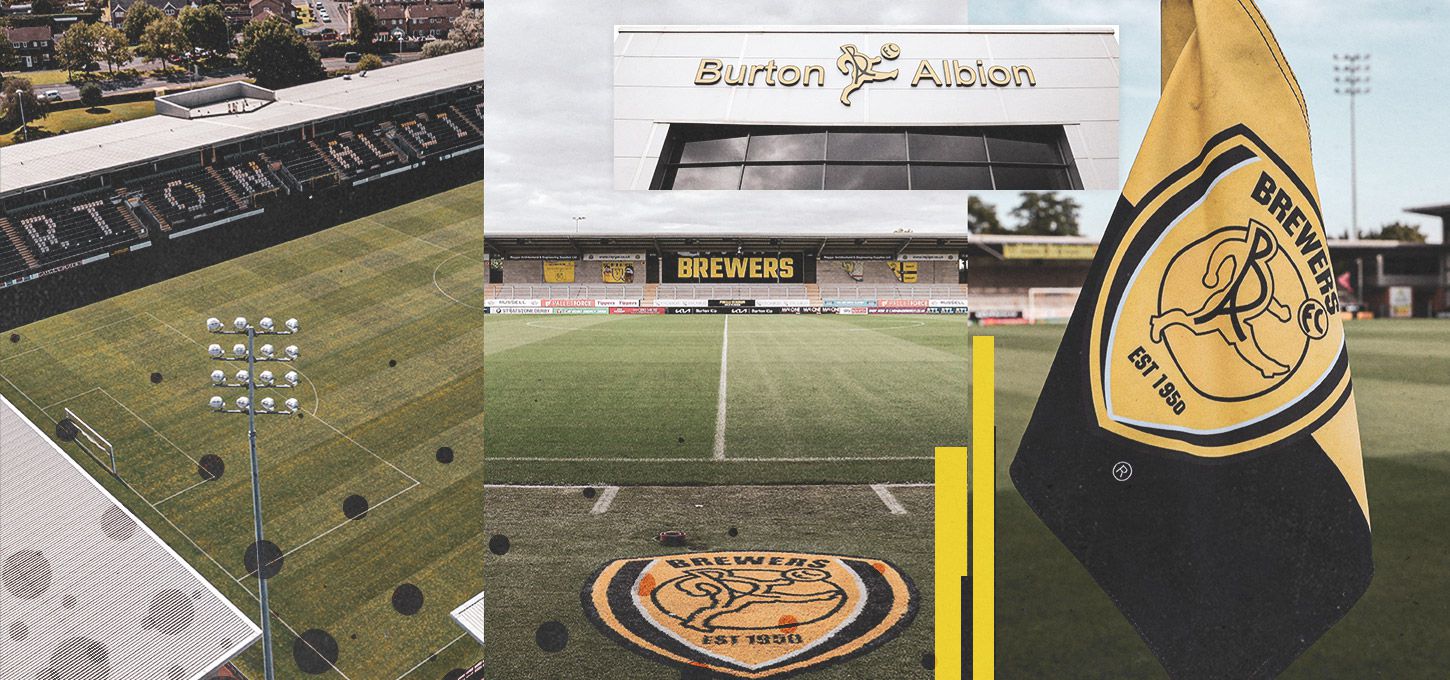
It’s been a sobering first two years at the Brewers, for Nordic Football Group, despite the club retaining its League One status.
Arriving in 2024 to promptly seal a flurry of some 23 summer signings in their first window, NFG had grand ambitions of implementing an exotic, advanced trading model whilst making linear progress in the league – but it hasn’t worked out as planned.
Naïve idealism off the field seeped onto it for the winless first three months of the 2024-25 campaign, but has since made way for more weathered pragmatism under Gary Bowyer, who has since done a wonderful job to stabilise results and performances.
Bowyer used all his level-headed wisdom and organisational nous to keep them up against the odds that year, before delivering a safe, 17th-placed finish last season.
That on-field stabilisation, however, doesn’t undo the off-field mistakes NFG made two years ago, so the prize for Bowyer, and his understatedly intelligent Sporting Director, Richard Dorman, is the job simply getting even harder:
Interim Chairman Wouter Gudde revealed this summer that the club anticipates a loss of approximately £5.5M for the past season, a 30% decrease on 2024-25, and that the target for 2026-27 will be to halve that loss again.
Refreshingly rare as that honesty is, it points to another challenging season on the field, with the sales of key men Udoka Godwin-Malife and Jake Beesley leaving big holes in defence and attack respectively, and Charlie Webster likely to follow them and others out the exit door.
In terms of incomings, Gbemi Arubi looks an inspired acquisition from Dundalk: the Ireland Under-21s international’s “hold-up play, link-up, pace, power and confidence are outstanding”, according to Irish football journalist Conor McEvoy.
Arubi could strike up a nice relationship, then, with Matthew Dennis: the energetic striker was poached from Notts County, after scoring 14 goals in League Two last year, and the duo could cause problems on the break, not forgetting key man Tyrese Shade if he remains in East Staffordshire.
Elsewhere, physical defender Curtis Tilt looks a reasonable addition, as long he’s planted firmly in the middle of the back-three and doesn’t get dragged out wide, while fellow centre-back Finn Delap’s return from injury will be welcomed.
Burton have 13 competent League One players as things stand, from whom they could assemble an XI good enough to keep them up, but that would presume no key exits.
That seems unlikely, in the circumstances, and it’s probable that further sales will go towards reducing losses off the field more than on them.
In terms of depth beyond the baker’s dozen, they have four players who aren’t quite up to the level, and another four youngsters who may need developmental loans.
Burton might start the season ok but, as the games mount up, they’re unlikely to be able to keep things fresh without suffering a drop in quality.
It wouldn’t surprise if key January sales rendered the second half of their season a foregone conclusion.