There are five common methods of dismissal, but five other rarer ways of getting out, one of which has never occurred in Test cricket.
Find out the 10 methods of dismissal in cricket below.
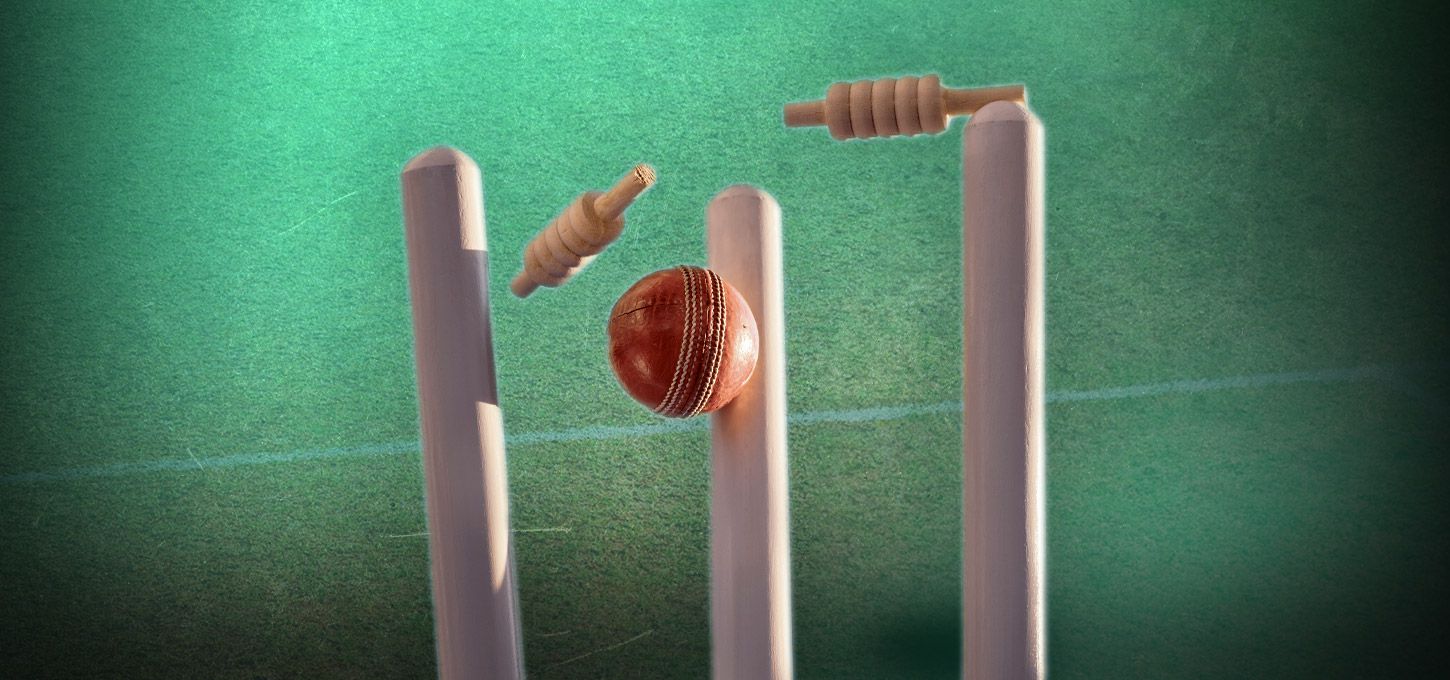
Bowled
This occurs when the bails are removed from the stumps via a bowler's delivery.
Caught
The most common type of dismissal, where a batter hits the ball with their bat, and the ball is caught by a member of the fielding team (which includes the bowler) before the ball touches the ground. The catcher needs to be in control of the ball and their movement before the ball touches the ground.
Leg before wicket
Better known as LBW, this occurs when the batter stops the ball from hitting the stumps using their body. However there are other criteria for this dismissal. After being bowled, the ball must not pitch outside the line of leg stump and impact with the batter must be in line with the stumps, though the latter is disregarded if the batter was making no attempt at playing a shot.
Run out
This occurs when a batter is out of their crease attempting to score a run when the bails are taken off by a member of the fielding team. If the batter has any part of their bat or body in the crease (important: bat or body must be in contact with the ground), they can't be run out.
A rarely-seen method of being run out is where the bowler takes off the bails at the non-striker's end when they notice the non-striker is out of their crease before the ball has been delivered. This is known as a 'Mankad', named after Vinoo Mankad, who dismissed Bill Brown in a 1947 Test match.
It's a controversial method of dismissal as it's seen as trying to catch an unaware batter out of their crease; as such, bowlers often warn the batter they're out of their crease before attempting a Mankad, with many bowlers flat-out refusing to perform one.
Stumped
When a batter is out of their crease trying to play a shot - typically off a spinner - the wicket-keeper can remove the bails after catching the ball to dismiss the batter stumped.
Retired
One of the five rare methods of dismissal, if a batter leaves the field of play without being injured and fails to return, they will be classed as retired out. A player retiring hurt is officially not out, but as they can't return or have a replacement, it's effectively the same as retiring via another method.
Hit the ball twice
An almost-unheard-of method in the modern game, if a batter hits the ball with either bat or body, and then hits the ball with bat or body (excluding a hand not in contact with the bat, and in the exception of preventing the ball from hitting their stumps), they'll be given out hit the ball twice. In practice, this is only likely to occur if the batter hits the ball in the air, and tries to stop a fielder from catching the ball by hitting again.
Hit wicket
A rare, but not unseen, method of dismissal occurs when a batter hits their wicket in the playing of a shot. They may be knocked off balance by a delivery, knocking the bails off in the process.
Obstructing the field
Occasionally, players from the batting and bowling teams collide on the pitch, but for a batter to be given out obstructing the field, they need to have deliberately obstructed a member of the fielding team.
Timed out
A batter has three minutes to be ready to face the next delivery after the previous dismissal, and if they're not ready, they can be given out timed out. The first ever instance of a player being timed out in international cricket came at the 2023 Cricket World Cup when Angelo Mathews took too long when coming in to bat, due to his helmet apparently having a broken strap.